Publish Date: 08-09-2026
Auto Insurance
Does Car Insurance Cover Snow Damage?
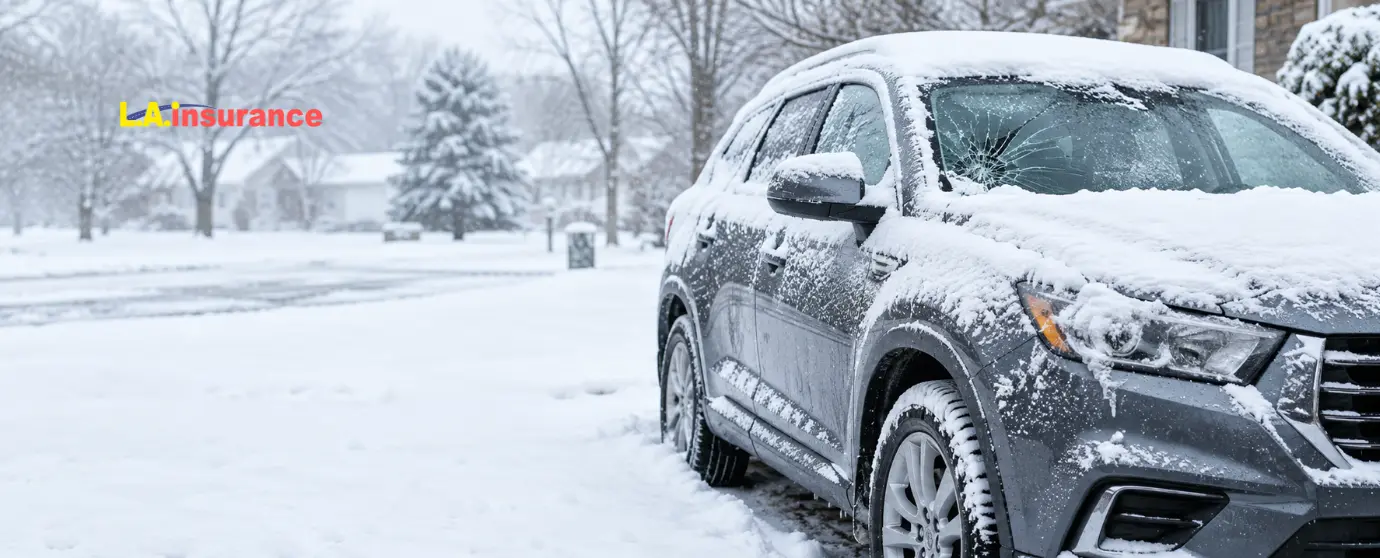
Your car is more susceptible to damage in winter when it snows. As long as it’s out in the open, it can get damaged by snow at any moment. Whether you’re driving the car or it’s parked in an open space, snow, ice, or even falling debris can damage your vehicle.
So, if you have a car, it’s important to ensure that it’s protected against snow and other winter-related risks. In this guide, you will learn whether car insurance covers snow damage, what types of coverage may help, and what you should do if your car is damaged by snow or ice.
How Does Comprehensive Coverage Protect Your Car From Snow Damage?
In most cases, your car can be damaged by snow, especially when it’s parked out in the open. Whether it’s heavy snow accumulating on your car or a large amount of snow falling along with tree branches or other debris, there’s a risk of significant damage to the hood, windshield, and other parts of your vehicle.
If your car is damaged by snow, a blizzard, or other weather-related events, comprehensive insurance may cover the damage. Let’s understand how comprehensive coverage protects your car from snow damage based on some common causes.
Damage From Heavy Snow or Snowstorms
Heavy snow or snowstorms can damage your car in several ways, especially if it’s parked outside during a severe weather event. The weight of accumulated snow can put pressure on the roof, hood, or other parts of the vehicle, while snow and ice can also damage exterior components as they accumulate or fall.
If a snowstorm causes direct damage to your car, comprehensive coverage may help pay for repair or replacement costs after you meet your deductible. For example, if heavy snow causes part of your vehicle to collapse or falling snow and ice damage your car’s body or crack its windshield, you may be able to file a comprehensive claim, depending on your policy.
Damage From Falling Trees or Branches
Snow and ice can build up on tree branches, adding significant weight and increasing the risk of branches breaking and falling onto your vehicle. Strong winter winds and snowstorms can also cause trees or branches to fall, potentially leaving scratches and dents or damaging your car’s roof, hood, windshield, windows, or other parts.
If a tree or branch falls on your car and causes damage, comprehensive coverage may help pay for repair or replacement costs after you meet your deductible. This may apply whether the tree or branch falls while your car is parked at home, in an open parking lot, or along the road, depending on the circumstances and your policy.
Damage From Ice Buildup and Freezing Conditions
Snow and ice can build up on different parts of your car and cause damage when temperatures drop below freezing. Heavy ice buildup can add weight to the roof, hood, and other exterior components, while frozen snow and ice can crack the windshield, windows, mirrors, and lights.
Freezing temperatures can also affect vital components such as the battery, engine, fuel system, and cooling system, especially when your car is exposed to extreme cold for an extended period. If snow, ice buildup, or freezing conditions cause damage to your car, comprehensive coverage may help pay for repair or replacement costs after you meet your deductible, depending on the cause of the damage and the terms of your policy.
Other Car Insurance Coverages That May Help with Snow-Related Accidents
The risk of snowfall, snowstorms, hail, or blizzards isn’t just limited to sudden damage while your car is parked. The risk can be even higher when you’re driving, as snow and ice can make roads slippery and reduce visibility. This can increase the chance of an accidental collision with another vehicle or object.
According to the US FHWA, almost 70% of roads in the U.S. are located in snowy regions. Snow and ice can reduce pavement friction, making it more difficult to maneuver a vehicle and increasing the risk of crashes. Every year, 24% of vehicle crashes occur on snowy, slushy, or icy pavement, and 15% of these crashes happen during snowfall.
So, in addition to comprehensive coverage, it’s important to consider the following coverages to help protect you from the financial risk of snow-related accidents.
Collision Coverage
Snow and ice can make roads slippery and reduce your ability to control your car, increasing the risk of hitting another vehicle, a tree, a guardrail, or any other object. If your car is damaged in a collision caused by snowy or icy road conditions, collision coverage may help pay for the repair or replacement costs, regardless of who or what you collide with, after you meet your deductible.
For example, if your car slides on an icy road and hits a guardrail, collision coverage may help cover the resulting damage. However, collision coverage generally does not cover damage caused directly by snow, ice, or other weather-related events while your car is parked. That type of damage may fall under comprehensive coverage instead.
Liability Coverage
If you cause an accident while driving on snowy or icy roads, liability coverage can help pay for the other driver’s medical expenses or vehicle repairs if you’re legally responsible for the accident. For example, if your car slides on a snowy road and hits another vehicle, your liability coverage may help cover the other driver’s damages, up to your policy limits.
However, liability coverage does not typically pay to repair damage to your own car after an accident. You would generally need collision coverage for damage to your vehicle, while comprehensive coverage may apply to damage caused directly by snow, ice, or other covered weather events.
Uninsured/Underinsured Motorist Coverage (Where Applicable)
If another driver causes an accident on a snowy or icy road but doesn’t have enough insurance to cover your damages, uninsured/underinsured motorist coverage may help. Depending on your policy and state requirements, this coverage can help pay for certain expenses resulting from an accident caused by a driver who has no insurance or insufficient liability coverage.
For example, if another vehicle loses control on an icy road and hits your car, their liability insurance may cover your damages. If they’re uninsured or their coverage isn’t enough to pay for the damage, your uninsured/underinsured motorist coverage may help cover the remaining eligible costs, subject to your policy limits and deductible.
When Does Car Insurance Cover and Not Cover Snow Damage?
Whether snow damage is covered by your car insurance policy depends on how the damage occurs and which coverage applies. Comprehensive coverage may help with direct damage from snow, ice, and other covered weather events, while collision, liability, and uninsured/underinsured motorist coverage may help when snow or icy conditions contribute to an accident.
The following table shows when these coverages may apply, and when snow-related damage is generally not covered.
Snow-related situation | Coverage that may apply | Is it typically covered? |
Heavy snow damages your parked car | Comprehensive | Generally yes, if caused by a covered event |
A tree or branch falls on your car | Comprehensive | Generally yes |
Snow or ice buildup causes sudden damage to your car | Comprehensive | May be covered, depending on the cause and policy |
Snow or ice causes your car to crash into another vehicle or object | Collision | Generally yes, if you have collision coverage |
You damage another vehicle in a snow-related accident | Liability | May cover the other party's damages if you're legally responsible |
An uninsured driver hits your car on an icy road | Uninsured/underinsured motorist | May apply, depending on your state and policy |
Snow or freezing conditions cause gradual wear and tear | None typically | No |
Snow or freezing conditions cause mechanical problems | Depends on the cause | Not necessarily |
Keep in mind that you need the appropriate coverage for it to apply to a snow-related loss. Comprehensive and collision coverage can help protect your own vehicle in different situations, while liability and uninsured/underinsured motorist coverage may help with damages involving other drivers, depending on the circumstances and your policy.
If you need help purchasing affordable auto insurance with the right coverage options, it’s a good idea to compare your options through a reliable insurance agency with over 34 years of experience.
Does Car Insurance Cover Damage From Shoveling Snow Off Your Car?
Shoveling or scraping snow and ice off your car can sometimes cause accidental damage to the paint, windows, windshield, or other parts of the vehicle. If you accidentally damage your car while removing snow, your auto insurance policy won’t cover the repair costs.
This is because the damage is caused by your actions while removing the snow, making you directly responsible for the damage. Similarly, if you accidentally damage someone else’s car while scraping snow or ice off your vehicle, you’ll generally have to cover their losses out of pocket.
What Should You Do If Snow Damages Your Car?
While prevention is always better than a cure, it’s not always possible. Accidents can happen, and sometimes snow damage is simply unavoidable. So, if your car does end up getting damaged by snow, here’s what you should do.
Check your car for damage: Carefully inspect your car for dents, cracks, broken windows, damaged lights, fallen branches, or other signs of snow-related damage.
- Take photos and videos: Document the damage from different angles before cleaning or moving your car. This can provide useful evidence if you need to file an insurance claim.
- Remove snow and ice carefully: Clear snow and ice from your vehicle without using tools or methods that could cause additional damage. If the snow is too heavy or the vehicle is unsafe to access, consider getting professional help.
- Contact your insurance company: If you have comprehensive coverage and the damage appears to be caused by a covered event, contact your insurer to report the damage and find out whether you should file a claim.
- Get a repair estimate: Have a qualified repair shop inspect the vehicle and provide an estimate for the necessary repairs. Your insurer may also require an inspection before approving the claim.
- Keep records of the damage and repairs: Save photos, repair estimates, receipts, and other relevant documents in case your insurer needs them during the claims process.
How Can You Prevent Snow Damage to Your Car?
If you take the right protective measures, it’s possible to prevent snow damage to your car. Here are some ways you can protect your car during harsh winter weather.
- Park your car in a covered area: Whenever possible, park your car in a garage or covered parking area to protect it from heavy snow, ice, and falling branches.
- Use a quality car cover: If covered parking isn’t available, use a weather-resistant car cover designed for winter conditions to help protect your vehicle from snow and ice buildup.
- Remove snow regularly: Clear heavy snow from your car before it accumulates and becomes difficult to remove. Use a soft snow brush or other tools designed for vehicles to avoid scratching the paint.
- Remove ice carefully: Avoid using sharp objects or excessive force to scrape ice from your windshield, windows, or other parts of your vehicle, as this can cause cracks or scratches.
- Keep your windshield washer fluid topped up: Use winter-grade windshield washer fluid that can withstand freezing temperatures and help maintain visibility during snowy weather.
- Check your battery and tires: Cold weather can affect battery performance and tire pressure, so check both regularly to help keep your car in good condition throughout the winter.
- Avoid parking under trees during storms: Snow and ice can add significant weight to tree branches, increasing the risk of them breaking and falling on your car.
The Bottom Line: Is Car Insurance Worth It for Snow Damage Coverage?
While snow and severe winter frost may not initially feel alarming, snow does add significant risk of expensive repairs. Depending on the extent of the damage, your car may even no longer be repairable, which means you may either need to replace it, or its vital components.
On top of that, if you drive on snowy days, there’s also a substantial risk of skidding and crashing. So, considering all these risks, yes, car insurance with comprehensive and collision coverage is definitely worth it, along with adequate liability coverage.
If you need help or expert guidance on getting the right insurance policy with adequate coverage for snow damage, you can request a free quote to compare your options and find coverage that fits your budget.
Frequently Asked Questions (FAQs)
Does snow damage affect my car insurance rates?
It depends. If the snow damage is covered by comprehensive coverage, it may not affect your premiums, although your rates could increase slightly. However, if the damage is caused by a collision with another vehicle and you’re responsible for the accident, your premiums may increase significantly, depending on your location, insurer, and claims history.
Does car insurance cover damage from snow-covered roads?
Damage caused by an accident on a snow-covered road may be covered by collision coverage if you have it. Liability coverage may also apply if you’re responsible for damaging another vehicle.
Can I file a car insurance claim for snow damage?
Yes, if the damage results from a covered event and you have the appropriate coverage. Before filing, consider your deductible and the extent of the damage to determine whether making a claim makes sense.
Does car insurance cover damage from ice falling from a roof?
If falling ice suddenly damages your vehicle, comprehensive coverage may help cover the resulting damage. Coverage can depend on the circumstances and the terms of your policy.
Does car insurance cover damage from a snowplow?
It may, depending on who is responsible for the damage and the circumstances of the accident. Your collision coverage may help pay for repairs to your vehicle if you have it.
Editorial Disclaimer
The resources on this blog are researched and created by experienced insurance writers, then fact-checked and verified for accuracy to provide clear, general informational guidance. This content does not constitute professional insurance, legal, or financial advice. Coverage options and premium rates are subject to individual eligibility, underwriting guidelines, and state availability. For specific questions regarding your policy or to get an accurate quote, please contact a licensed L.A. Insurance agent directly. We're an independent agency and not a direct insurance carrier. For more information on how we operate and handle your data, please see our Terms and Conditions and Privacy Policy.
Tag :
Auto insurance
cheap car insurance
LA Insurance
fast car insurance

What is Permanent Life Insurance?
Wouldn’t it be helpful to have a life insurance policy that provides lifelong coverage and can also build cash value over time? That’s where permanent life insurance comes in.

What is Term Life Insurance?
Term life insurance is a type of life insurance policy that provides coverage for a specific period, generally 10, 15, 20, 30, or even 40 years.

Types of Life Insurance and How They Differ?
If you’re shopping for life insurance, you’ve probably come across different types of life insurance, such as term life insurance, whole life insurance, and universal life insurance.

What Is Life Insurance?
If you’re thinking about getting a life insurance policy, it’s important to understand what it is and how it works. Simply put, life insurance is a type of financial protection that provides money to your chosen beneficiaries after your death.

Does Car Insurance Cover Rust Damage?
Rust can damage many parts of your car and may become more severe over time if left untreated.
Does Insurance Cover a Tree Falling on Your Car?
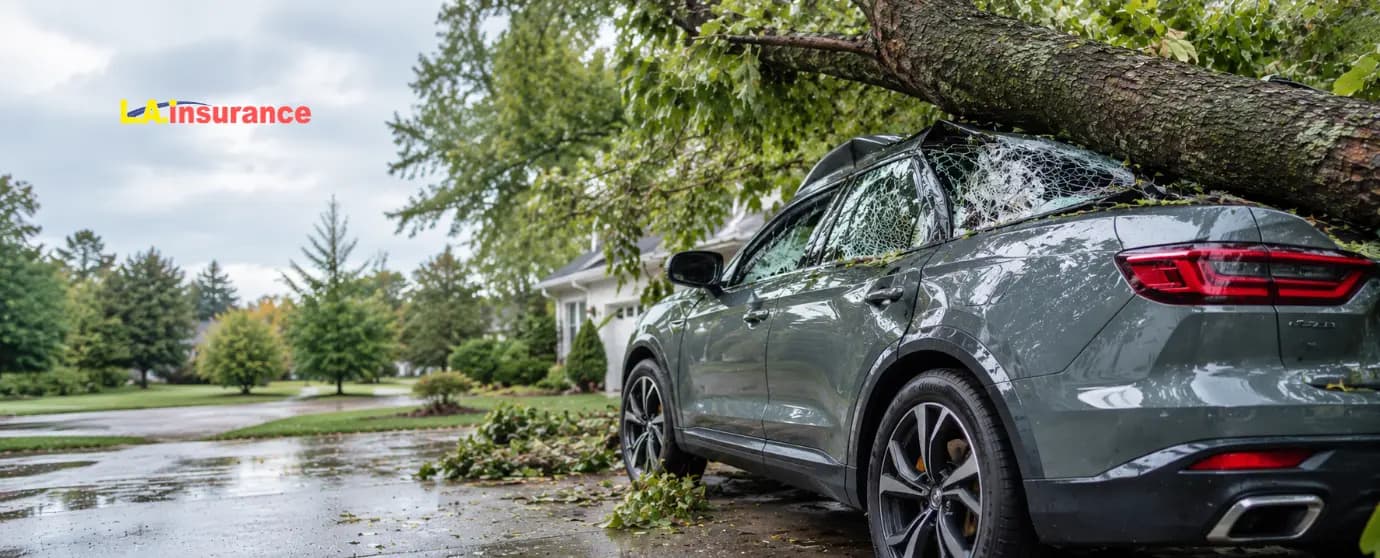
Whether your car is parked out in the open under or near a tree, or you’re driving when a tree suddenly falls on your car, either way, it can leave your car severely damaged or even wrecked.