Publish Date: 18-10-2025
Renter's insurance
Last Updated: 22-10-2026
Does Renters Insurance Cover Flood?
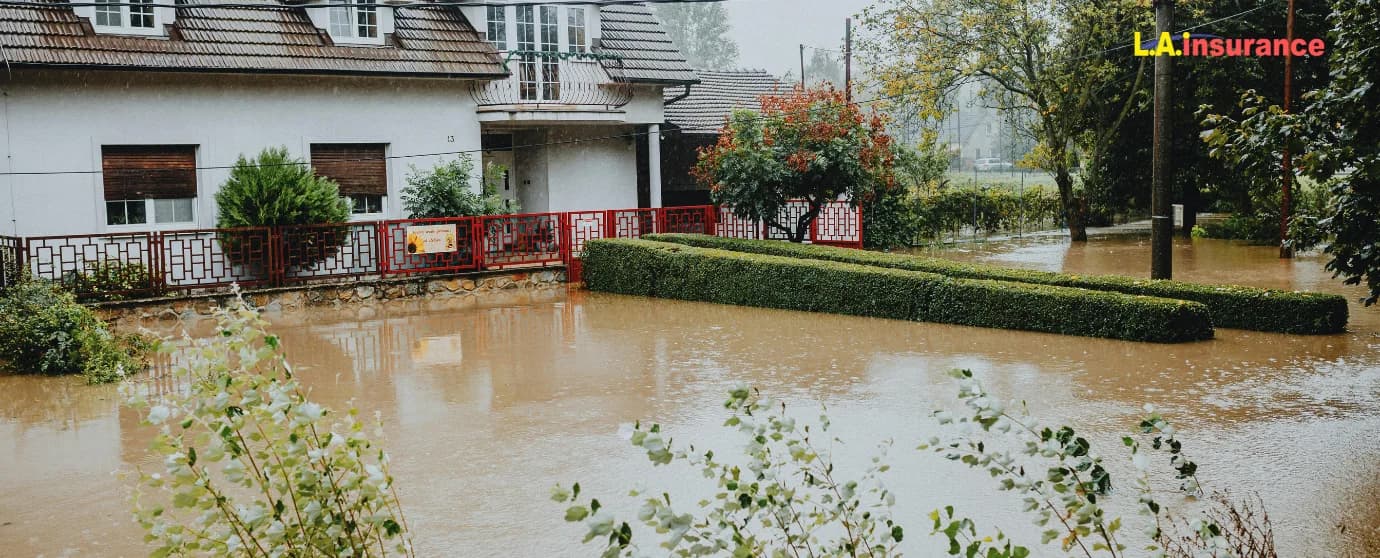
Flooding can be devastating, causing loss of life, destruction of valuable property, and widespread infrastructure damage. According to the U.S. National Weather Service, floods cause an average of $8 billion in damage and 90 fatalities a year. FEMA says that just 1 inch of floodwater can cause roughly $25,000 of damage to your home.
If you're a renter living in a flood-prone area, including Fort Myers, FL, coastal Georgia, coastal Louisiana, or central Texas, flooding can put your finances at risk. Your personal belongings may be ruined, and your rental home could become uninhabitable.
So, does your renters insurance cover flood damage? Unfortunately, standard renters insurance generally excludes damage caused by natural flooding, just as it typically excludes earthquake damage. To protect yourself, you'll need a separate flood insurance policy, either through the National Flood Insurance Program (NFIP), managed by FEMA, or from a private flood insurance provider.
However, not all water damage is treated the same way. Your renters insurance may cover certain incidents, such as a burst water pipe or an accidental toilet overflow, depending on the circumstances and your policy terms.
Don't assume your landlord's insurance will cover your personal belongings. While their policy may cover structural damage to the building, it generally doesn't cover your personal property against flooding. You'll need your own flood insurance policy for that protection.
In this article, we'll explain why standard renters insurance excludes natural flood damage, when other types of water damage may be covered, and how you can protect your belongings with separate flood insurance.
Why Doesn’t Renters Insurance Cover Flood Damage?
Floods create extreme, shared risk. One big storm can damage thousands of rentals at once. It means a flood is a high-risk, large-scale natural disaster. And that scale breaks typical insurance policies, making it too costly for traditional insurance providers to cover. And that’s why your standard renters insurance usually excludes it from covered perils.
However, flood is treated differently from water damage. A typical water damage is covered by renters insurance if the origin of the water is within the rental unit. This is why your policy may cover a burst pipe or rain entering after wind tears the roof, as in this case, the source of water is within your rental building.
On the other hand, floods are classified as external water events, which means the water originates from outside the rental unit. So, if the flood is caused because of overflowing rivers or lakes, heavy rain or storm surge, coastal flooding from a hurricane, or flash floods, your renters insurance won’t cover it. Instead, you’ll need to seek help from a distinct flood insurance policy that you can purchase from NFIP or a private insurer.
It's also important to note that there’s a split in responsibility. The landlord insures the building, you insure your stuff. For this reason, contents-only flood insurance coverage exists for renters. Ideally, knowing what renters insurance is and what it covers can help you identify the limitations of your standard policy.
Does Renters Insurance Cover Water Damage from Other Sources?
While the term flood commonly and broadly refers to natural flooding, it can also happen due to water damages from plumbing problems, appliance leaks, or other incidents within your rental home. The good news is that renters insurance may cover damage to your personal belongings caused by certain sudden and accidental water damage incidents, such as:
- Burst pipes: If a water pipe suddenly bursts and damages your furniture, electronics, clothing, or other personal belongings, your policy may cover the loss.
- Accidental appliance leaks: Water damage caused by a sudden, accidental leak from a washing machine or dishwasher may be covered, depending on your policy.
- Toilet or plumbing overflows: If a toilet accidentally overflows or a plumbing fixture suddenly leaks, your policy may cover resulting damage to your belongings.
- Rain entering through a damaged roof: If wind damages your roof and rain enters your rental home, your policy may cover the resulting damage to your personal property.
- Water damage from a neighboring unit: If a neighbor's plumbing suddenly leaks and damages your belongings, your renters insurance may cover the loss, depending on the circumstances and policy provisions.
So, Can I Buy Flood Insurance as a Renter?
Yes, you can and you should purchase flood insurance as a renter. It’s the only way to protect your contents against flood damage. Even if you’re not in high-risk areas, you should get insurance coverage for flood, since 32% of NFIP flood damage claims come from outside high-risk flood areas. National Flood Insurance Program (NFIP) as well as the Federal Emergency Management Agency (FEMA), encourage renters to purchase flood insurance too.
For example, Texas state even requires disclosures to remind tenants that renters insurance does not pay for flood damage, so renters consider separate coverage. However, this doesn’t mean you can buy flood insurance right before a flood hits. The NFIP spreads catastrophic losses across the country and enforces a 30-day waiting period for new policies. This rule prevents people from purchasing coverage only when rivers begin to rise.
So, if you want to buy flood insurance, consult your insurance agent or contact the National Flood Insurance Program (NFIP) or call NFIP at 877-336-2627 to discuss your needs. In case you need to insure your stuff from other risks, including theft, water damage, fire, or vandalism, you can get standard renters insurance coverage from L.A. Insurance today.
Am I Eligible for It?
Most tenants are eligible if their rental is in a community that participates in the National Flood Insurance Program (NFIP). FEMA says flood insurance is available to anyone living in one of the 22,600 participating NFIP communities.
If you rent in a high-risk flood zone and the property has a mortgage from a government-backed lender, that lender will require flood insurance. While that requirement is for the building owner, you can still purchase your own contents-only flood insurance.
So, here’s what to know to understand whether you’re eligible for flood insurance:
- Location matters.
- So, check if your city or county is one of the NFIP communities.
- Ownership doesn’t matter. You don’t need to own the building. NFIP offers flood insurance to property owners, renters, and businesses. As a renter, you can insure your personal property.
- Any flood zone qualifies. Even outside high-risk areas, you can still buy flood insurance.
Why and When Should Renters Purchase Flood Insurance?
Flooding can happen almost anywhere. So, just because you're not in a high-risk flood zone doesn't mean your rental is completely safe. Heavy rainfall, overflowing rivers, and storm surge can cause significant flood damage, leaving you with costly losses to your personal belongings.
You should consider purchasing flood insurance:
- Before moving into a flood-prone area: If your rental is near a river, lake, or coast, consider getting coverage before you move in.
- Before storm season: If you live in an area prone to hurricanes or severe weather, arrange coverage well before storms are expected.
Pro Tip: Please keep in mind that NFIP policies have a 30-day waiting period. So, don’t wait until a natural disaster is on the forecast.
How to Buy Renters Flood Insurance?
It's easy to get flood insurance for rental properties. To successfully purchase coverage against flood, here are a few simple steps to follow:
- Step 1: Check your flood risk first. Use FEMA’s Flood Map Service Center to assess the level of flood damage risk in your area. Even if your area isn’t designated as high-risk, it’s still wise to get flood insurance because floods can happen anywhere.
- Step 2: If you're unsure whether to get flood insurance, take time to understand your coverage. We want to remind you that neither your landlord’s insurance nor standard renters insurance protects your personal belongings against flood damage.
- Step 3: Pick a program. The National Flood Insurance Program (NFIP), run by FEMA, offers contents-only limits up to $100,000 for tenants. Private flood insurance may offer higher limits, but availability varies.
- Step 4: You can explore NFIP coverage online or contact an insurance agent or provider nearby that offers flood insurance. To find an NFIP-participating provider, use the official FloodSmart provider directory, which includes a public network of more than 47 insurance companies in the U.S. You can also call the NFIP at 877-336-2627 if you need assistance.
- Step 5: Buy and document. Choose a deductible, list belongings, and set a payment. Keep an inventory for claims.
What Does Flood Insurance Cover for Renters?
Flood Insurance for renters protects your personal property from flood-related direct physical loss. NFIP policies usually insure contents up to $100,000, along with certain valuables. However, it does not cover the building itself, which is your landlord’s responsibility.
Flood Insurance can cover the following for renters:
- Clothing, electronics, and furniture damaged by flood water
- Appliances you own, such as a washer, dryer, or microwave
- Rugs and carpets, when not permanently installed.
- Valuables such as jewelry, art, and collectibles up to a sub-limit of $2500
- Personal items stored in a basement (with limits)
- Cleanup costs for covered flood damage
What Does Flood Insurance Not Cover for Renters?
To avoid surprises during a claim, know that flood insurance has limits and exclusions to avoid surprises during a claim.
For renters, it does not cover:
- The building’s structure, walls, or roof (as is covered by the landlord or owner)
- Vehicles and their parts
- Damage from mold, mildew, or moisture caused by floodwater
- Currency, precious metals, or important papers
- Damage from plumbing leaks not caused by a flood
- Additional Living Expenses (ALE) (AKA loss of use coverage)
- Pools and hot hubs
- Landscaping
Please note NFIP Flood Insurance does not provide extra living expenses for hotel stays, meals, laundry, or transportation costs if your rental space becomes uninhabitable due to flood, fire, windstorm, or other natural disasters. You need to get loss of use coverage (AKA ALE) from a renters insurance company for that. To ensure you’re fully protected, request a renters insurance quote from L.A. Insurance today.
How Much Does Flood Insurance Cost for Renters?
The cost of flood insurance for renters depends on your location, flood risk, and the amount of coverage you choose. NFIP contents-only policies can be as low as $100 to $300 per year in low-risk zones. However, premiums can increase significantly in high-risk areas.
Your deductible and coverage limits affect the price. NFIP offers up to $100,000 in contents coverage for renters. But if you choose a private insurer, they might offer you higher coverage limits, and inevitably, that will cost you more.
Since flood damage can be financially devastating, even in moderate-risk zones, many tenants find the annual cost reasonable compared to the potential loss. However, before you decide anything on insurance expenditure, we encourage you to contact NFIP directly or use their online quote tool for an accurate price. You can also get to know your cost by contacting one of the NFIP-participating insurance providers or private insurers.
How to File a Flood Damage Claim Through NFIP?
It's not that complicated to file a claim for flood damage through NFIP. And you should start your flood insurance claim as soon as it’s safe to return to your property. Waiting longer can delay the inspection, estimate, and payment process.
Here are simple steps to follow from FEMA to start and complete your flood insurance claim:
- Contact your insurer or agent. Report the flood damage right away. Give your insurance policy number and contact information. Your provider will assign an NFIP-authorized adjuster.
- Document Everything. Take clear photos and videos of damaged belongings, the basement, and every affected room. Write down details like make, model, and serial numbers for appliances or electronics. Keep samples of ruined carpet, flooring, or curtains.
- Prevent Further damage. Move undamaged items to safety. Clean up standing water and remove items that pose health risks. NFIP won’t cover damage from preventable mold. Meet the Adjuster. Ask to see their Flood Control Number Card. Review their damage estimate carefully before signing off.
- Start Repairs. You can begin repairs before payment but confirm with your adjuster or agent first. Make sure to keep all receipts.
- Receive Your Payment. Payouts depend on your deductible, coverage limits, and documentation. Most NFIP claims are usually settled in 4-8 weeks.
Real-Life Example of Flood Insurance Claim for Renters
On the popular social media platform Reddit, a renter posted, “My apartment flooded, and renters insurance won’t cover it”. This is because you must buy flood insurance for such protection from NFIP or other private flood insurance providers.
However, if you had the essential flood coverage, the thread advice was clear. For a successful claim, photograph everything. Make a detailed inventory with values. Email the landlord and keep copies. Ask the insurer for the next steps and to open a claim.
Tips to Prevent Flood Damage in a Rental Property
While flood insurance helps recover costs, prevention reduces the impact and hassle. As a tenant, you can take simple steps to protect your belongings and reduce risk before severe weather hits:
- Store valuables, electronics, and important documents on higher shelves or upper floors.
- Keep an updated inventory with photos for your insurance policy.
- Avoid storing personal items directly on the basement floor. Use waterproof containers if storage there is unavoidable.
- Report roof leaks, drainage problems, or plumbing issues to your landlord immediately.
- Check if your building’s sump pump works and has a backup power source.
- Know your community’s evacuation routes and emergency plans.
- Install or use sandbags and barriers during heavy rain or storm alerts.
To prepare for a flood, and stay safe during and after a flood, make sure to follow the tips from the U.S. Department of Homeland Security.
Do Renters Need Both Flood Insurance and Renters Insurance?
Yes, as a tenant having both renters insurance and flood insurance can provide broader protection for your personal belongings. While renters insurance may cover listed perils due to water damage, with flood insurance your belongings can be covered if it gets damaged due to natural flooding.
Simply put, these two policies together can provide better protection, and help you avoid losses, when the unexpected happens. If you need help exploring your options, you can contact us for guidance and a free quote.
Frequently Asked Questions (FAQs)
Does renters insurance cover basement flooding?
Not if it’s caused by a flood. Standard renters insurance may cover water damage from a burst pipe or appliance, but flood water entering your basement requires a separate flood insurance policy.
Will my renters insurance cover flood damage to personal property?
No. Renters insurance policies exclude flood damage to personal belongings. You need dedicated flood insurance for that protection, whether through NFIP or a private insurance provider.
Are tenants responsible for flooding?
Generally, no, unless negligence caused the damage, like failing to report a severe leak. The landlord insures the structure, but you must protect your own belongings with the right insurance policies.
Does renters insurance cover plumbing repairs?
No. It falls on your landlord. Renters insurance covers water damage from sudden plumbing failures, but repairs to pipes or systems are the landlord’s responsibility.
Can I buy flood insurance as a renter in Florida?
Yes. Tenants in Florida can purchase flood insurance through NFIP or private insurers. Coastal areas are especially high risk, making separate flood coverage an important safeguard for your personal property.
Does renters insurance cover storm-related water damage?
Sometimes. If wind or tornado damage lets rain enter, renters insurance may cover the loss. Rising flood water, however, is excluded.
Can flood insurance cover items in storage?
Yes, but with limits. NFIP covers certain stored items, often with restrictions for basement storage. Always confirm with your insurance policy before assuming coverage.
Will renters Insurance cover me if my rental space is unlivable due to a flood?
No. Standard renters insurance does not cover loss of use if your rental becomes uninhabitable due to flood damage. That coverage applies only when the cause is a covered peril, such as a fire or certain types of water damage. NFIP policies also don’t include temporary housing for tenants.
Does renters insurance cover water damage if it’s not from flood?
Yes, in many cases. Renters insurance policies typically cover sudden and accidental water damage, not caused by flooding. It includes rain entering after a storm damages the roof, a burst plumbing pipe, or an overflowing appliance. However, gradual leaks or neglect are excluded.
Does renters insurance cover floods in Texas?
No. Renters insurance policies in Texas exclude flood damage. Renters in high-risk flood zones are encouraged to get flood insurance through the National Flood Insurance Program or a private insurance provider for contents coverage.
Editorial Disclaimer
The information provided on this blog is for general informational purposes only and does not constitute professional insurance, legal, or financial advice. Coverage and rates are subject to individual eligibility, underwriting guidelines, and state availability. For specific questions regarding your policy or to get an accurate quote, please contact a licensed L.A. Insurance agent directly. We're an independent agency and not a direct insurance carrier. For more information on how we operate and handle your data, please see our Terms and Conditions and Privacy Policy.
Tag :
Renter's insurance
best insurance

What is Permanent Life Insurance?
Wouldn’t it be helpful to have a life insurance policy that provides lifelong coverage and can also build cash value over time? That’s where permanent life insurance comes in.

What is Term Life Insurance?
Term life insurance is a type of life insurance policy that provides coverage for a specific period, generally 10, 15, 20, 30, or even 40 years.

Types of Life Insurance and How They Differ?
If you’re shopping for life insurance, you’ve probably come across different types of life insurance, such as term life insurance, whole life insurance, and universal life insurance.

What Is Life Insurance?
If you’re thinking about getting a life insurance policy, it’s important to understand what it is and how it works. Simply put, life insurance is a type of financial protection that provides money to your chosen beneficiaries after your death.

Does Car Insurance Cover Rust Damage?
Rust can damage many parts of your car and may become more severe over time if left untreated.

Does Insurance Cover a Tree Falling on Your Car?
Whether your car is parked out in the open under or near a tree, or you’re driving when a tree suddenly falls on your car, either way, it can leave your car severely damaged or even wrecked.