
Publish Date: 01-06-2023
Auto Insurance
Last Updated: 08-07-2026
A Guide to Purchasing Tires
When it comes to maintaining the safety and performance of your vehicle, choosing the right tires is one of the most important decisions you can make. Tires play a vital role in providing traction, stability, braking performance, and overall control on the road.
Shopping for new tires may seem overwhelming with the wide variety of options available. However, with a little knowledge and careful consideration, you can make a confident and informed decision. Understanding your driving habits, your vehicle's requirements, and the features that matter most will help you narrow down your choices.
In this guide, we'll walk you through the key factors to consider when purchasing new tires. From understanding tire sizes and choosing the right type to comparing brands, features, warranties, and installation options, you'll have the information you need to find tires that fit both your vehicle and your driving needs.
1. Assess Your Needs
Before starting your tire shopping journey, take some time to assess your specific needs. Consider factors such as your vehicle type, typical driving conditions, climate, and your driving style. Are you looking for tires for everyday commuting, long highway trips, off-road adventures, or high-performance driving?
Also, think about how many miles you typically drive each year and the types of roads you use most often. There is a big difference between tires designed for high performance and those that prioritize a smooth, quiet ride. Step one is figuring out which features matter most to you before comparing your options.
2. Understand Tire Size and Type
The next step in shopping for tires is determining the correct size and type for your vehicle. Refer to your vehicle's owner's manual or check the tire placard located on the driver's door jamb or inside the glove compartment. The tire size is represented by a series of numbers and letters, such as P225/50R17, that indicate the tire's width, aspect ratio, construction, and wheel diameter.
You'll also find a load index and speed rating on the tire's sidewall. These ratings indicate how much weight each tire can safely support and the maximum speed it is designed to handle under proper conditions. According to Consumer Reports, it's best to replace your tires with the same size and speed rating recommended by your vehicle's manufacturer to maintain proper handling, braking performance, and overall safety.
If you're buying a used vehicle, don't assume the current tires are the correct size. Always verify the manufacturer's recommended specifications before purchasing replacements.
3. Know When It's Time to Replace Your Tires
Even the highest quality tires won't last forever. Replacing worn tires at the right time helps maintain traction, improve braking, and reduce the risk of losing control, especially during wet or slippery conditions.
Inspect your tires regularly and watch for signs that they may need replacing, including:
- Worn tread that reduces grip on the road.
- Cracks, bulges, or cuts in the sidewall.
- Uneven tread wear caused by poor alignment or improper inflation.
- Excessive vibration that continues after balancing.
- Tires that are several years old, even if they still appear to have usable tread.
We also recommend checking your tires regularly instead of waiting until a problem becomes obvious. Monthly inspections can help you spot uneven wear or damage early, allowing you to address issues before they affect your vehicle's safety or lead to more expensive repairs.
4. Consider Tire Brands and Reviews
Research and compare tire brands known for their quality, reliability, and long-term performance. Reading customer reviews and seeking recommendations from trusted sources can provide valuable insight into tread life, wet and dry traction, ride comfort, road noise, and overall owner satisfaction.
Keep in mind that the most expensive tire isn't always the best choice. Premium brands often deliver longer tread life and stronger performance in demanding conditions, but many mid priced options provide excellent value for everyday driving. Rather than focusing on brand name alone, compare tires based on the features that matter most for how and where you drive.
Independent testing can also be helpful. Organizations such as Consumer Reports evaluate tires for important factors like braking, handling, hydroplaning resistance, ride comfort, noise, and predicted tread life, giving drivers a more complete picture than marketing claims alone.
5. Choose the Right Tire for Your Driving Conditions
Choosing the right type of tire is just as important as selecting the right size. Different tires are designed for different road conditions, temperatures, and driving styles.
- All season tires are the most common choice for everyday driving. They provide dependable year-round performance, a comfortable ride, and long tread life in a variety of conditions.
- Winter tires are specifically designed for snow, ice, and freezing temperatures. Their rubber compounds remain flexible in cold weather, providing better traction, braking, and cornering when roads become slippery.
- Summer tires deliver excellent handling and grip in warm weather but are not designed for snow, ice, or freezing temperatures.
- All terrain tires are ideal for drivers who regularly travel on gravel roads, dirt trails, or other uneven surfaces while still needing dependable on road performance.
Many drivers are best served by replacing their tires with the same type originally equipped on their vehicle unless their driving conditions or priorities have changed. Matching the right tire to your typical driving environment helps improve safety, comfort, and overall performance throughout the year.
Learn more: How to change your tire?
6. Performance and Safety Features
Modern tires offer much more than basic traction. Many are designed with features that improve safety, comfort, and fuel efficiency, making them well worth comparing before you buy.
Look for features such as improved wet weather traction, shorter braking distances, reduced rolling resistance for better fuel economy, enhanced cornering stability, and noise reducing tread designs. These features can make everyday driving more comfortable while providing additional confidence in changing road conditions.
It's also helpful to compare independent test results whenever possible. While comparing, try to evaluate tires in areas such as braking, handling, hydroplaning resistance, ride comfort, and tread life.
7. Check for Warranty and Services
Before making your final purchase, review the warranty and services offered by the tire manufacturer and retailer. Most reputable brands provide warranties that cover manufacturing defects, and many also offer limited treadwear or mileage warranties.
Take a few minutes to understand what is and isn't covered. Some warranties require regular tire rotations or other routine maintenance to remain valid. Keeping your service records can make the warranty process much easier if you ever need to file a claim.
It's also worth asking about additional services such as free tire rotations, flat tire repair, roadside assistance, or road hazard protection. While these benefits may not be included with every purchase, they can add value and provide extra peace of mind over the life of your tires.
8. Compare Prices and Installation Options
Shop around and compare prices from different tire retailers or online platforms. Take into account any current promotions, discounts, or rebates available. However, remember that the lowest price may not always reflect the best value. Consider the overall quality, performance, and warranty offered by the tires when making price comparisons.
Before making a purchase, ask for a complete estimate rather than looking only at the price of the tires themselves. Installation may include mounting, balancing, new valve stems, tire disposal fees, and wheel alignment, all of which can affect the total cost.
Choose a retailer with experienced technicians who can properly install and balance your new tires. Professional installation helps ensure your tires perform as intended and wear evenly over time.
Get the Most Out of Your New Tires
Once you've invested in a new set of tires, a little routine maintenance can help them last longer and perform at their best. Simple habits can improve safety while helping you get the most value from your purchase.
To extend the life of your tires:
- Check your tire pressure regularly and keep it at the manufacturer's recommended level.
- Rotate your tires according to your vehicle's maintenance schedule.
- Have your wheels aligned if you notice uneven tire wear or your vehicle pulls to one side.
- Inspect your tires periodically for cuts, punctures, or unusual wear patterns.
Taking care of your tires not only helps maximize tread life but also improves handling, fuel efficiency, and overall driving safety.
The Bottom Line
Shopping for new tires may seem overwhelming at first, but with the right information, you can make a confident decision. Assess your driving needs, choose the correct tire size and type, compare reputable brands, evaluate performance and safety features, review warranties, and consider the total cost of installation before making your purchase.
Quality tires are an investment in your vehicle's performance, comfort, and safety. By choosing the right tires and maintaining them properly, you'll enjoy better traction, improved handling, and greater peace of mind every time you get behind the wheel.
Related Article: Does car insurance cover flat tires?
FAQs About Purchasing Tires
How do I know when it's time to replace my tires?
Replace your tires if the tread is worn, the sidewalls are damaged, you notice uneven wear, or the tires are several years old. Regular inspections can help you identify these issues before they affect your safety.
Should I replace all four tires at the same time?
In many cases, replacing all four tires provides the best handling and traction. However, if only two tires need replacement, follow your vehicle manufacturer's recommendations on where the new tires should be installed.
Are more expensive tires worth the money?
Not always. Premium tires often offer longer tread life and better performance, but many mid-priced tires provide excellent value for everyday driving. The best choice depends on your driving habits, road conditions, and budget.
Can I mix different tire brands on my vehicle?
It's generally best to use the same brand, model, and size on all four wheels whenever possible. Mixing different tires can affect handling, braking, and overall vehicle performance.
How can I make my new tires last longer?
Maintain the correct tire pressure, rotate your tires regularly, keep your wheels properly aligned, and inspect your tires for signs of damage or uneven wear. Regular maintenance helps extend tread life and improves overall safety.
Editorial Disclaimer
The resources on this blog are researched and created by experienced insurance writers, then fact-checked and verified for accuracy to provide clear, general informational guidance. This content does not constitute professional insurance, legal, or financial advice. Coverage options and premium rates are subject to individual eligibility, underwriting guidelines, and state availability. For specific questions regarding your policy or to get an accurate quote, please contact a licensed L.A. Insurance agent directly. We're an independent agency and not a direct insurance carrier. For more information on how we operate and handle your data, please see our Terms and Conditions and Privacy Policy.
Tag :
Auto insurance

What is Custom Parts and Equipment Coverage for Car Insurance?
If you've recently modified your car with custom parts or aftermarket accessories, it's worth reviewing your auto insurance policy to make sure those upgrades are properly covered.

Can You Get Auto Insurance with a Permit?
Yes, the good news is you can get auto insurance with a learner's permit.

How to Get Car Insurance Before Buying a Car?
If you're thinking of buying a car any time soon, you might also be wondering whether you need car insurance before buying the car.

Do You Need Proof of Insurance to Rent a Car?
If you're trying to figure out whether you need proof of insurance to rent a car, the short answer is usually no.
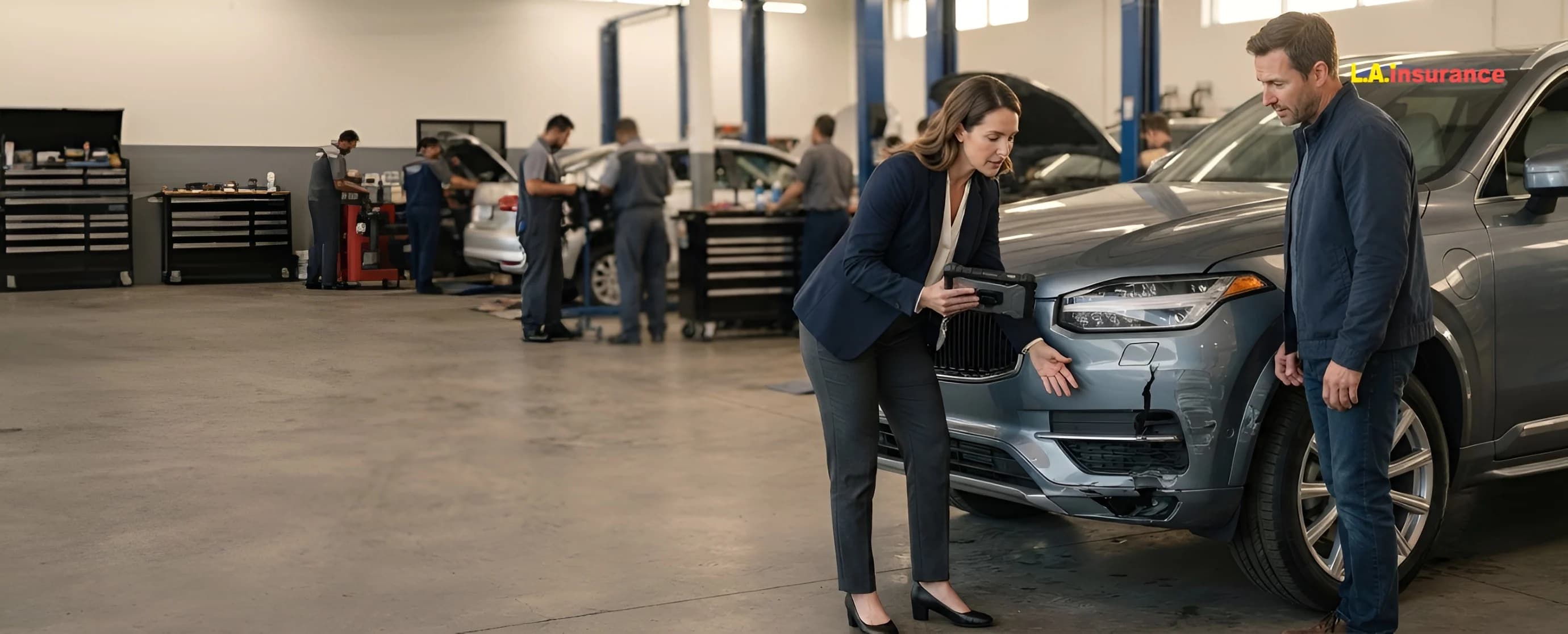
Does Car Insurance Cover Bumper Damage?
It can be frustrating when your car's bumper gets damaged. It doesn't just affect your vehicle's appearance; depending on the severity, it may also reduce its ability to protect your vehicle during low-speed impacts.

Can I Get Car Insurance After an Accident?
Yes, you can get car insurance after an accident, but it can get challenging, especially if you were at fault or have been involved in multiple accidents within the last 3 to 5 years.