Publish Date: 21-07-2026
Auto Insurance
Last Updated: 15-09-2026
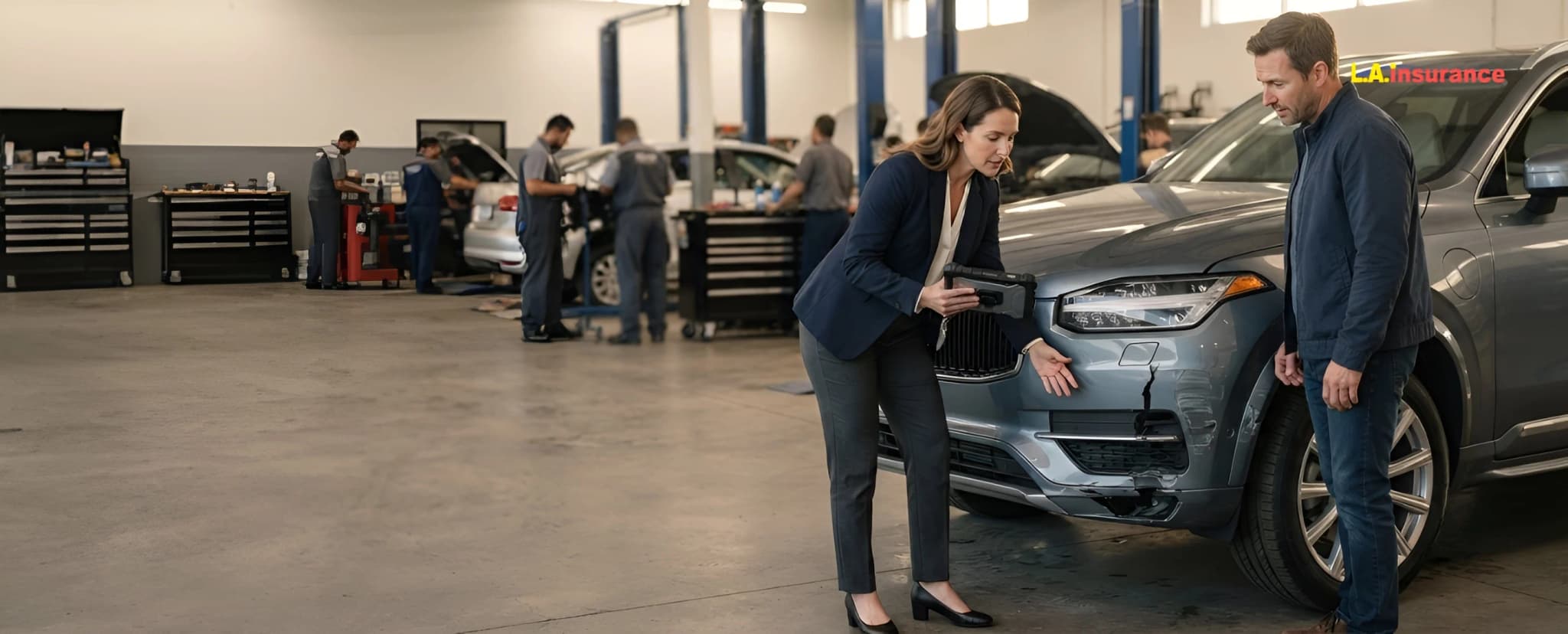
Does Car Insurance Cover Bumper Damage?
It can be frustrating when your car's bumper gets damaged. It doesn't just affect your vehicle's appearance; depending on the severity, it may also reduce its ability to protect your vehicle during low-speed impacts. If you're wondering whether your car insurance covers bumper damage, the short answer is yes, but it depends on the type of coverage you have and how the damage occurred.
While your auto insurance policy may cover the damage, filing a claim isn't always the best financial decision. If the repair cost is close to or lower than your deductible, paying out of pocket may help you avoid a potential increase in your insurance premium.
In this guide, you'll learn which types of car insurance cover bumper damage, when it makes sense to file a claim, when you may want to avoid filing one, and what you can expect to pay for bumper repairs or replacement.
How Does Car Insurance Cover Bumper Damage?
Whether bumper damage is covered depends on the type of car insurance you have and how the damage occurred. Understanding how collision, comprehensive, and liability coverage apply can help you make informed decisions when filing a claim or choosing a policy.
Collision Coverage
Collision coverage helps pay to repair or replace your bumper if it's damaged in a collision with another vehicle or object, regardless of who is at fault. Common examples include rear-end collisions, backing into a pole or fence, hitting a guardrail, or another vehicle hitting your parked car.
Depending on the circumstances, you may be able to file a claim through your own collision coverage or the at-fault driver's insurance. If the cost to repair or replace your bumper exceeds your collision deductible, your insurer will typically cover the remaining eligible repair costs, up to your policy limits. However, you'll still be responsible for paying your deductible before your insurance coverage applies.
Comprehensive Coverage
Comprehensive coverage helps pay to repair or replace your bumper if it's damaged by events other than a collision. This includes incidents such as vandalism, theft, fire, hail, flooding, falling objects, or collisions with animals. If your bumper is damaged due to one of these covered events, comprehensive insurance may help cover the repair or replacement costs.
Like collision coverage, comprehensive insurance is subject to a deductible. If the cost to repair or replace your bumper exceeds your comprehensive deductible, you'll first pay the deductible, and your insurer will typically cover the remaining eligible repair or replacement costs, up to your policy limits.
Liability Coverage
Liability coverage works differently from collision and comprehensive coverage. It generally does not pay to repair or replace your own bumper if it's damaged in an accident. Instead, it helps cover the cost of repairing or replacing another person's vehicle or property if you're found at fault.
For example, if you accidentally hit the rear-end of another driver’s car and damage their bumper, your property damage liability coverage may pay for their repair costs, up to your policy limits. However, if your own bumper is damaged in the same accident, you'll typically need collision coverage to help pay for your repairs.
Common Situations When Insurance Covers Bumper Damage
Bumper damage can happen in a variety of situations, from everyday driving accidents to unexpected events beyond your control. If you have the appropriate coverage, your car insurance may help pay to repair or replace your bumper in the following scenarios:
- Collision with another vehicle: Your bumper is damaged in an accident involving another car.
- Hitting a stationary object: You accidentally back into or strike a pole, fence, guardrail, curb, or another fixed object.
- Vandalism: Your bumper is intentionally scratched, dented, or otherwise damaged by someone else.
- Severe weather: Hail, strong winds, flooding, or other covered weather events damage your bumper.
- Falling objects: A tree branch, debris, or another object falls onto your vehicle and damages the bumper.
- Animal collisions: Your bumper is damaged after hitting a deer or another animal.
- Fire damage: Your bumper is damaged as a result of a vehicle fire or another covered fire-related incident.
- Theft or attempted theft: Your bumper is damaged during the theft of your vehicle or an attempted theft.
When to File a Claim for Bumper Damage?
Even if your insurance policy covers bumper damage, filing a claim isn't always the best option. Understanding when to file a claim can help you avoid unnecessary out-of-pocket costs or premium increases. Here are some situations where filing a claim is generally worth considering.
Repair Costs Exceed Your Deductible
If the cost to repair or replace your bumper is higher than your deductible, filing a car insurance claim is generally worth considering. Since you'll be responsible for paying the deductible, your insurer can help cover the remaining eligible repair costs, up to your policy limits.
For example, if your bumper repair costs $2,000 and your collision deductible is $500, you'll pay the first $500, while your insurer may cover the remaining $1,500, provided the damage is covered under your policy. However, if the repair costs only $400, you'll typically pay the full amount out of pocket because it doesn't exceed your deductible.
Another Driver is At-Fault
If another driver is responsible for the accident, filing a claim may help you recover the cost of repairing or replacing your bumper. In most cases, the at-fault driver's property damage liability insurance pays for the damage to your vehicle, including your bumper, up to their policy limits.
If the other driver is uninsured or doesn't have enough insurance to cover the damage, uninsured/underinsured motorist (UM/UIM) property damage coverage may help pay for the repairs in states where it's available. Alternatively, you may be able to use your own collision coverage, subject to your deductible, depending on your policy and state insurance laws.
Bumper is Part of the Repair
If your bumper is damaged along with other parts of your vehicle, filing an insurance claim is often worth considering. Accidents can damage multiple components at the same time, such as the hood, fenders, headlights, grille, or suspension.
When the total repair cost exceeds your deductible, your insurance policy may help cover the eligible repair or replacement costs for all covered damage, including the bumper. Since multiple repairs can quickly increase the total cost of the claim, filing a claim may be the more cost-effective option when the damage is covered under your policy.
Someone Was Injured in the Accident
If a bumper-damaging accident causes injuries to you, your passengers, or anyone else involved, it's generally a good idea to file an insurance claim, regardless of the extent of the vehicle damage. Even if the bumper damage appears minor, medical expenses and liability claims can quickly exceed the cost of repairs.
If you or your passengers are injured, your medical expenses may be covered by Personal Injury Protection (PIP), Medical Payments (MedPay), or your health insurance, depending on your policy and state insurance laws. In no-fault states such as Michigan and Florida, PIP typically pays first, regardless of who caused the accident.
If another person is injured and you're at fault, your bodily injury liability coverage may help pay for their medical expenses and other covered losses, up to your policy limits. Since injury claims often involve multiple coverages, report the accident to your insurer as soon as possible to begin the claims process without unnecessary delays.
When You Shouldn’t File a Claim for Bumper Damage?
Not every bumper-damaging accident warrants an insurance claim. In some situations, paying for the repairs yourself may be the more practical and cost-effective option. Here are some scenarios where you may want to avoid filing a claim.
Repair Costs Are Less Than or Close to Your Deductible
If the cost to repair your bumper is less than or close to your deductible, filing an insurance claim may not be worthwhile. Since you'll be responsible for paying the deductible before your insurance coverage applies, you could end up paying most or all of the repair costs yourself while still having a claim on your insurance record.
For example, if your bumper repair costs $600 and your deductible is $500, your insurer may only pay the remaining $100 if the damage is covered under your policy. In this situation, paying for the repair out of pocket may be the more practical option, especially if filing a small claim could affect your future insurance premiums.
May Lead to Higher Premiums
Filing a bumper damage claim may increase your insurance premium, especially if you're found at fault or have a history of previous claims. While not every claim results in a rate increase, insurers often consider your claims history, driving record, and the circumstances of the accident when determining your future premiums.
If the bumper damage is minor and the repair cost is relatively low, paying for the repairs out of pocket may be more cost-effective than filing a claim that could lead to higher insurance costs over time. However, if the damage is extensive or the repair costs significantly exceed your deductible, filing a claim may still be the better financial decision.
You Can Repair the Damage Out of Pocket
If you can afford to pay for the repairs yourself, filing an insurance claim may not be necessary. According to repair cost estimates from auto repair shops such as Five Star Collision Center, Henry's Auto Collision, and retailers like AutoZone, minor bumper repairs can cost as little as $150 to around $600 or more, depending on the type and extent of the damage.
In many cases, these costs are close to or even lower than the deductible for collision or comprehensive coverage. When the repair cost is manageable, paying out of pocket may help you avoid filing a small claim that could affect your future insurance premiums.
Only Minor Cosmetic Damage Occurred
If your bumper only has minor cosmetic damage, such as small dents, scratches, paint scuffs, or surface cracks, filing an insurance claim may not be necessary. These types of repairs are often relatively affordable and don't typically affect your vehicle's ability to drive safely or operate normally.
In many cases, paying for minor cosmetic repairs out of pocket can be the more practical option, especially if the repair cost is less than or close to your deductible. Avoiding a small claim may also help you maintain a cleaner claims history and reduce the likelihood of higher insurance premiums in the future.
Note: If the impact appears minor but you suspect hidden damage behind the bumper, such as damage to bumper supports, sensors, or other components, it's a good idea to have your car inspected by a qualified repair shop before deciding whether to file a claim.
How Much Does It Cost to Repair a Bumper?
Bumper repair costs vary depending on the type and severity of the damage. Based on repair cost estimates acquired from Five Star Collision Center, Henry's Auto Collision, and AutoZone, the table below shows the typical repair costs for common types of bumper damage and whether filing an insurance claim is generally worth considering.
Damage Type | Typical Repair | Estimated Repair Cost | Should You File an Insurance Claim? |
Light scratches or paint scuffs | Buffing, sanding, repainting, or paint touch-up | $100 to $300 | Usually no. Paying out of pocket is often cheaper than filing a claim. |
Minor dents and cosmetic damage | Dent removal, reshaping, and refinishing | $150 to $600 | Usually no. If the repair cost is close to or below your deductible, paying yourself is typically the better option. |
Cracks or moderate bumper damage | Plastic welding, reshaping, and repainting | $300 to $1,200 | Maybe. Consider filing a claim if the repair cost significantly exceeds your deductible. |
Front bumper replacement | New bumper, paint, and installation | $500 to $1,500 | Often yes. Filing a claim may make sense when replacement costs are well above your deductible. |
Luxury or ADAS-equipped bumper replacement | OEM bumper, sensors, cameras, calibration, and paint | $1,500 to $2,500+ | Yes, in most cases. The high repair costs often justify filing a claim, unless the damage resulted from an excluded event or the premium increase outweighs the benefit. |
Tip: Whether you should file a claim depends on your deductible, who was at fault, your insurer's claims policies, and the potential impact on your future premiums. Comparing the repair estimate with your deductible is a good first step before deciding.
The Bottom Line: Is it Worth Claiming Bumper Damage?
Whether it's worth filing a bumper damage claim depends mainly on your repair costs, deductible, and the potential impact on your future premiums. If the repair cost is close to or below your deductible, paying out of pocket is often the more cost-effective option.
However, if the damage is extensive and the repair bill is significantly higher than your deductible, filing a claim may be the better financial choice. Remember, car insurance is designed to protect you from unexpected, high-cost repairs.
So, using it for major expenses while handling minor repairs yourself can help you get the most value from your policy, which makes it important to carry the right coverage before an accident happens.
If you’re looking for affordable car insurance, you should consider consulting with a nearby L.A. Insurance Agent to compare coverage options and find a policy that provides adequate financial protection.
Frequently Asked Questions (FAQs)
Is a bumper covered under car insurance?
Yes, a bumper can be covered by car insurance, but it depends on the type of coverage you have and what caused the damage. Collision and comprehensive coverage typically pay for damage to your bumper, while liability insurance covers damage you cause to someone else's vehicle.
Will my car insurance cover a broken bumper?
Yes, but it depends on what caused the damage and the coverage you carry. Collision insurance typically covers a broken bumper after an accident, while comprehensive insurance may cover damage caused by events like vandalism, falling objects, or animal collisions. Normal wear and tear or mechanical failure isn't covered.
Should I file an insurance claim for a small dent on my bumper?
Usually not. If the repair cost is close to or less than your deductible, paying out of pocket is often the better option. Consider filing a claim only if the damage is extensive or the repair cost significantly exceeds your deductible.
Is it expensive to fix a scratched bumper?
Bumper scratch repair typically costs $150 to $1,000, depending on the severity of the damage. Minor scratches generally cost $150 to $300 to repair, while deeper scratches may cost $300 to $600. If a professional respray is needed, expect to pay $400 to $1,000 or more.
Will filing a bumper damage claim increase my insurance premium?
It depends. If you weren't at fault, or you qualify for accident forgiveness, your premium may not increase. However, if you're found at fault, filing a claim could lead to a higher premium at renewal. The exact increase varies based on your insurer, driving record, claims history, state regulations, and the cost of the claim.
How do insurers decide whether to repair or replace a bumper?
Insurers compare the repair cost with the cost of replacing the bumper. They'll also consider the extent of the damage, whether the bumper can be safely repaired, and if features like sensors or cameras have been affected. If replacement is more cost-effective or necessary for safety, they'll typically approve a new bumper.
Editorial Disclaimer
The resources on this blog are researched and created by experienced insurance writers, then fact-checked and verified for accuracy to provide clear, general informational guidance. This content does not constitute professional insurance, legal, or financial advice. Coverage options and premium rates are subject to individual eligibility, underwriting guidelines, and state availability. For specific questions regarding your policy or to get an accurate quote, please contact a licensed L.A. Insurance agent directly. We're an independent agency and not a direct insurance carrier. For more information on how we operate and handle your data, please see our Terms and Conditions and Privacy Policy.
Tag :
fast car insurance
cheap car insurance
car maintenance

Types of Life Insurance and How They Differ?
If you’re shopping for life insurance, you’ve probably come across different types of life insurance, such as term life insurance, whole life insurance, and universal life insurance.

What Is Life Insurance?
If you’re thinking about getting a life insurance policy, it’s important to understand what it is and how it works. Simply put, life insurance is a type of financial protection that provides money to your chosen beneficiaries after your death.

Does Car Insurance Cover Rust Damage?
Rust can damage many parts of your car and may become more severe over time if left untreated.
Does Insurance Cover a Tree Falling on Your Car?
Whether your car is parked out in the open under or near a tree, or you’re driving when a tree suddenly falls on your car, either way, it can leave your car severely damaged or even wrecked.
Does Car Insurance Cover Snow Damage?
Your car is more susceptible to damage in winter when it snows. As long as it’s out in the open, it can get damaged by snow at any moment.

Does Auto Insurance Cover Pets in the Car?
Whether you regularly drive with your pets in the car or only take them along occasionally, it’s worth knowing whether your auto insurance covers them.