Publish Date: 06-12-2025
Auto Insurance
Last Updated: 31-03-2026
What Is Property Damage Liability Insurance?
On average, a crash that results in property damage costs about $6,300 per vehicle, according to the most recent data from the National Safety Council (NSC). However, having property damage liability auto insurance can protect you from this huge financial burden, as it covers the cost of vehicle repairs or other property-related losses you’re responsible for.
Property damage liability insurance is a part of your liability car insurance policy. As you know, liability insurance has two components:
- Bodily injury liability
- Property damage liability
In this article, we’ll discuss everything related to property damage liability car insurance.
What Is Property Damage (PD) Liability Insurance?
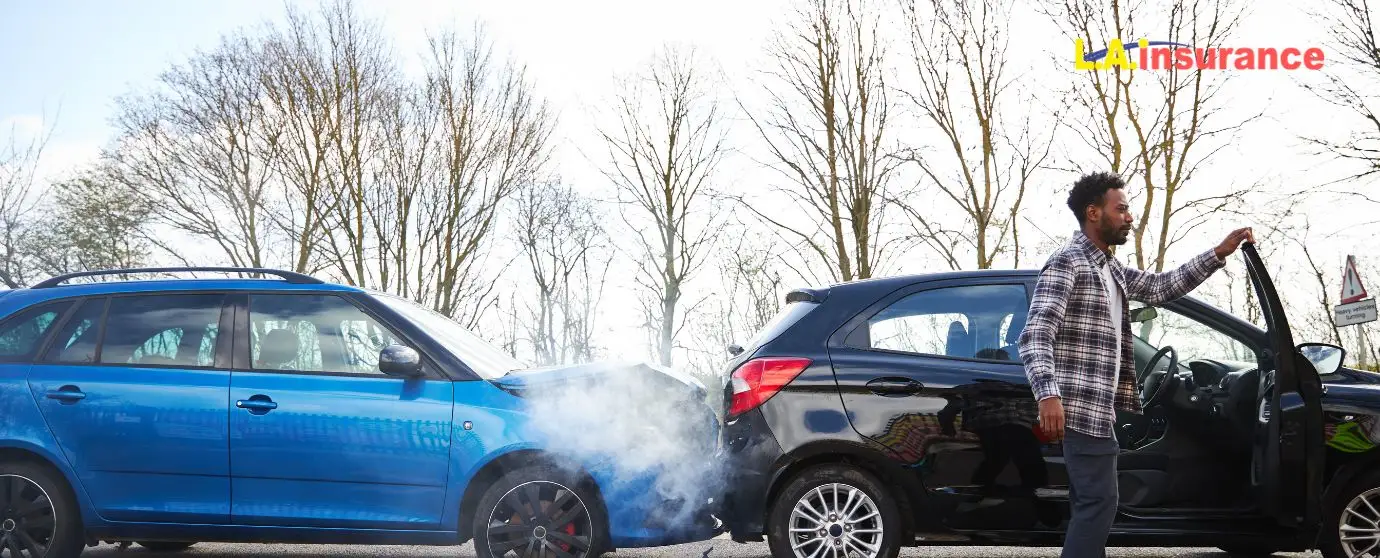
Property damage liability insurance pays for the cost of repairing or replacing another person’s property or vehicle when you cause a car accident. It covers damage to another person’s vehicle, fences, buildings, and other types of property you hit. This insurance coverage can also handle related losses, such as towing or loss of use.
As has been said, it’s part of your liability insurance, and every state requires its own minimum amount of property damage liability coverage. PD liability protects your savings because it will pay for damages directly, and it doesn’t involve a deductible.
It is important to keep in mind that this coverage doesn’t cover your own vehicle.
How Does Property Damage Liability Insurance Work?
Property damage liability becomes effective when you’re at fault in an auto accident and someone else ends up with property damage. In such a case, your insurance company pays for the cost of repairing or replacing what you damaged, up to your coverage limits (e.g., $10,000). You don’t pay a deductible, and the payment from your insurer goes straight to the other party or their repair shop.
Property Damage Claim Example in Action
Just imagine you hit a parked SUV and a storefront. The total amount of property damage reaches $28,000. If your property damage liability limit is $25,000, your insurance policy covers $25,000, and you owe the remaining $3,000 out of pocket. When the damage stays under your limit, your property damage liability insurance reimburses the entire bill.
Keep in mind that for every at-fault accident where your insurer is paying the another driver on behalf of you for property damage liability/liability, your insurance premium is likely to go up by 50% or more or less in your next renewal. So always drive responsibly and safely.
Learn more about how much does car insurance rates go up after an accident.
What Does Property Damage Liability Cover?
Property damage liability pays for the damage to another person’s property when you cause an accident. It covers the cost of repairing or replacing what you hit, as long as it falls under your coverage limits.
It usually covers:
- Damage to another person’s vehicle
- Repairs to buildings, fences, yards, or other types of property
- Property damage claim costs related to signs, poles, and structures
- Cleanup or towing tied to the property damage
- Legal fees if someone hires a lawyer and files a claim against you
What Isn’t Covered by Property Damage Liability Auto Insurance?
Property damage liability only pays for damage to another person’s property. It doesn’t cover your own losses, and it doesn’t handle injuries.
Here are things it does not cover:
- Damage to your own vehicle, which falls under collision auto insurance coverage
- Your medical bills, which require personal injury protection or bodily injury coverage
- Damage from weather, theft, or vandalism, which is handled by comprehensive insurance
- Property damage to your home or business, which needs property insurance
- Any damages that exceed your coverage limits (in this case, you may need an umbrella policy)
How Do You Read Your Property Damage Liability Coverage Limits?
Coverage limits show the maximum amount your insurance company will pay for damages you cause in a single accident. It appears as the third number in a liability split. For example, a common state minimum is $25,000 for property damage liability per accident.
If your policy shows 25/50/25, the last number represents that coverage limit. It means your property damage liability insurance will pay up to $25,000 to repair or replace the property you damage. Anything above that becomes your responsibility, or you’ll need an umbrella insurance policy.
How Much Property Damage Liability Insurance Do You Require?
Choose limits that protect your assets, not just meet the legal minimum. Look at your savings, home equity, and how often you drive in busy or luxury-vehicle areas. If you own a home or have investments, higher limits reduce the risk of a judgment that could hit your bank account or wages. Many drivers pick at least $25,000 in PD limits. If you want to ensure solid protection, consider higher limits plus an umbrella policy. Having an umbrella policy means it will cover the amount if your liability coverage limit exceeds.
Learn more about how much coverage do I need for auto insurance?
Minimum State Requirements for Property Damage Liability Coverage
Below are the state-mandated minimum property damage (PD) liability limits per accident. Use this as a quick reference or check your state DMV or insurer for any updates.
State | Minimum PD limit (per accident) |
Alabama | $25,000 |
Alaska | $25,000 |
Arizona | $25,000 |
Arkansas | $25,000 |
California (As of Jan 1, 2025) | $15,000 |
Colorado | $15,000 |
Connecticut | $20,000 |
Delaware | $10,000 |
Florida | $10,000 |
Georgia | $25,000 |
Hawaii | $10,000 |
Idaho | $15,000 |
Illinois | $20,000 |
Indiana | $25,000 |
Iowa | $15,000 |
Kansas | $25,000 |
Kentucky | $25,000 |
Louisiana | $25,000 |
Maine | $25,000 |
Maryland | $15,000 |
Massachusetts | $5,000 |
Michigan | $10,000 |
Minnesota | $10,000 |
Mississippi | $25,000 |
Missouri | $25,000 |
Montana | $20,000 |
Nebraska | $25,000 |
Nevada | $20,000 |
New Hampshire | $25,000 |
New Jersey | $5,000 |
New Mexico | $10,000 |
New York | $10,000 |
North Carolina | $25,000 |
North Dakota | $25,000 |
Ohio | $25,000 |
Oklahoma | $25,000 |
Oregon | $20,000 |
Pennsylvania | $5,000 |
Rhode Island | $25,000 |
South Carolina | $25,000 |
South Dakota | $25,000 |
Tennessee | $15,000 |
Texas | $25,000 |
Utah (As of Jan 1, 2025) | $25,000 |
Vermont | $10,000 |
Virginia (As of Jan 1, 2025) | $25,000 |
Washington | $10,000 |
West Virginia | $25,000 |
Wisconsin | $10,000 |
Wyoming | $20,000 |
What Happens If Property DamagCosts Exceed Your Coverage Limits?
When the amount of property damage goes past your coverage limits, your insurance company only pays up to the amount you chose. Everything above that becomes your responsibility. This can happen quickly after a car accident, especially when you damage a newer or high-end vehicle or hit something costly like a building or storefront.
If the other party files a property damage claim, you could face out-of-pocket payments or even a lawsuit. Higher liability coverage or an umbrella policy helps protect your savings when repair bills climb beyond your property damage liability limit.
Difference Between Property Damage and Collision Car Insurance?
Property damage and collision both cover vehicle repairs. However, they are not the same. PD coverage, as we discussed, covers other drivers’ vehicles or property, not yours if you’re at-fault in an accident.
However, collision insurance pays to fix or replace your own vehicle after a crash, no matter who caused it. It comes with a deductible, and the payment goes toward your car only. Together, these coverages create robust financial protection when a vehicle is damaged in a crash.
Try getting full coverage auto insurance if you want to ensure you’re not left alone after an accident. Request a quote or call us (800) 893-9393.
How Much Does Property Damage Liability Insurance Cost?
The cost usually varies a lot, and it’s difficult to say how much it might cost for property damage insurance, as it’s not sold as a separate coverage; rather, it’s a component of liability insurance coverage. However, you can expect to pay from $20 to $30 per month for PD coverage. And total liability insurance may cost, on average $69 per month or $828 per year.
Anyway, the exact car insurance cost varies! Consider these factors while you purchase a policy:
- Driving record
- Age and gender
- Vehicle type
- Coverage limits
- Credit score
- Location
- Insurance company
How Do You File a Property Damage Claim?
Filing a property damage claim starts right after the accident. Move your car to a safe spot, check on everyone involved, and call the police. A report helps your insurance company understand what happened and what property damage occurred.
Gather photos, contact details, and any witness statements. Then contact your insurer and share the facts. They’ll review the damage to another person’s property, estimate the cost of repairing, and handle the payout under your property damage liability coverage. Stay in touch with your adjuster until the claim is closed.
Wrapping Up
To recap, property damage liability insurance covers the cost of fixing someone else’s property/ vehicle when you’re at fault. It pays the bill up to your limit, and it does this without a deductible. State minimums often fall short, so choosing higher limits gives you better protection.
Property Damage Liability Car Insurance FAQs
How much property damage (PD) coverage do you need in Michigan?
Michigan only requires $10,000 in PD coverage, but that amount is very low. Most drivers choose higher limits because repair costs can pass that number fast.
What is the difference between property protection insurance (PPI) and property damage (PD) insurance?
PPI is a Michigan-only coverage that pays up to $1 million for damage you cause to property in the state. PD covers damage you cause outside Michigan and follows the limit you choose on your policy.
What are some examples of property damage claims?
Common examples include hitting another car, damaging a fence or garage, knocking down a mailbox, or breaking a storefront window during a crash.
Do you need to pay a deductible for a property damage claim?
No. Property damage liability has no deductible. Your insurer pays up to your limit without asking you to contribute.
What does $25,000 property damage liability per accident mean?
It means your insurer will pay up to $25,000 for damage you cause to someone else’s property in one accident. Anything above that is your responsibility.
What’s a good amount for property damage liability?
Many drivers start at $50,000 or $100,000 because it handles most real-world repair costs. If you own a home or have savings, choosing even higher limits gives you stronger protection.
Editorial Disclaimer
The information provided on this blog is for general informational purposes only and does not constitute professional insurance, legal, or financial advice. Coverage and rates are subject to individual eligibility, underwriting guidelines, and state availability. For specific questions regarding your policy or to get an accurate quote, please contact a licensed L.A. Insurance agent directly. We're an independent agency and not a direct insurance carrier. For more information on how we operate and handle your data, please see our Terms and Conditions and Privacy Policy.
Tag :
Auto insurance

Types of Life Insurance and How They Differ?
If you’re shopping for life insurance, you’ve probably come across different types of life insurance, such as term life insurance, whole life insurance, and universal life insurance.

What Is Life Insurance?
If you’re thinking about getting a life insurance policy, it’s important to understand what it is and how it works. Simply put, life insurance is a type of financial protection that provides money to your chosen beneficiaries after your death.

Does Car Insurance Cover Rust Damage?
Rust can damage many parts of your car and may become more severe over time if left untreated.
Does Insurance Cover a Tree Falling on Your Car?
Whether your car is parked out in the open under or near a tree, or you’re driving when a tree suddenly falls on your car, either way, it can leave your car severely damaged or even wrecked.
Does Car Insurance Cover Snow Damage?
Your car is more susceptible to damage in winter when it snows. As long as it’s out in the open, it can get damaged by snow at any moment.

Does Auto Insurance Cover Pets in the Car?
Whether you regularly drive with your pets in the car or only take them along occasionally, it’s worth knowing whether your auto insurance covers them.