Publish Date: 02-02-2026
Auto Insurance
Last Updated: 12-04-2026
Does Car Insurance Cover Rodent Damage?
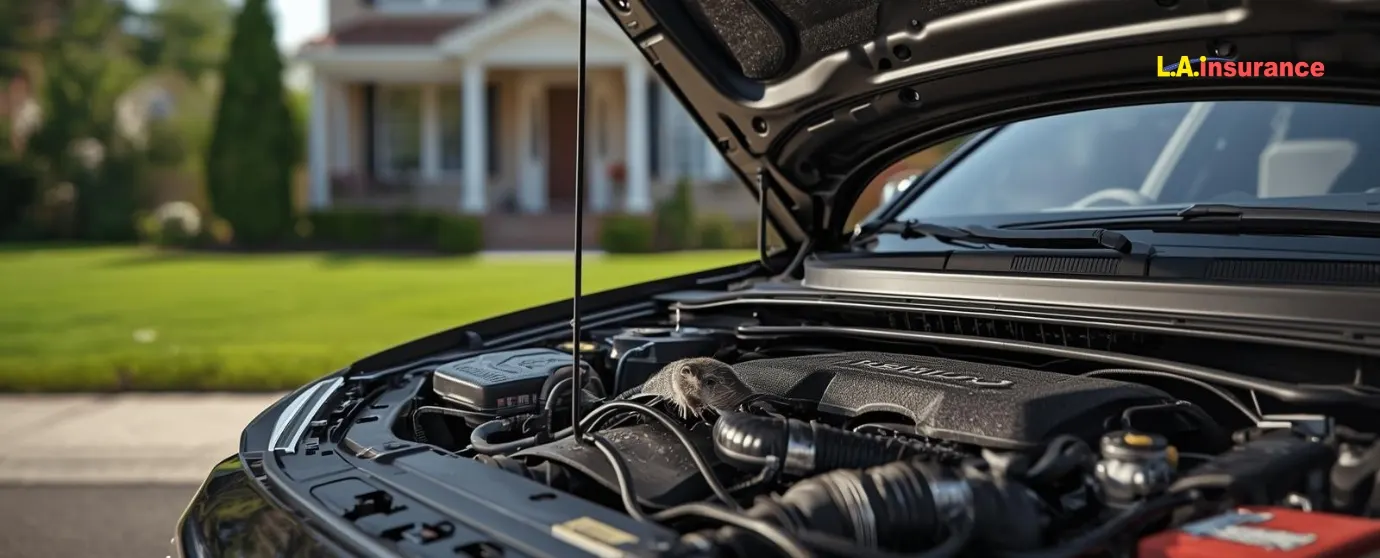
Yes, your car insurance will cover rodent damage, but only if you have comprehensive coverage. Rodents like chipmunks, squirrels, rats, or mice can be a nuisance, especially when your car stays parked for a while.
They can literally damage your car’s wires, interior, ventilation system, and engine components by chewing and littering anywhere inside your car. If they become too comfortable, they may even build a nest inside your car, which can worsen the mess.
While minor rodent damage may cost about $200 to $800 to fix, more severe damage, especially to the car’s HVAC system, interior, or engine wiring, can cost $2,000 to $10,000 or more, depending on the severity.
Extensive engine damage, which may even require a replacement, can cost you up to $15,000 to $25,000, depending on the car's make and model. If you have comprehensive coverage with adequate limits, your insurance policy should cover the damage.
However, your claim can also get denied, especially due to long-term rodent infestation and poor upkeep. So, to help you understand whether car insurance covers rodent damage, this guide explains when comprehensive coverage pays for repairs/replacements, when it doesn’t, and what can cause a claim to get denied.
It also covers what to do after rodent damage, whether your rates may go up after a claim, and practical tips to prevent rodents from damaging your car.
What Is Considered Rodent Damage to a Car?
It’s important to understand what insurers consider rodent damage to a car. This will help you clearly identify signs of damage and describe the problem to your insurer when you file a claim.
Simply put, rodent damage includes any destruction caused by rats, mice, squirrels, or similar pests chewing, nesting, or contaminating parts of your vehicle. Common examples include:
- Chewed wiring and sensors
- Damaged insulation and seat foam
- Nesting in the engine bay
- Droppings/urine smells in vents
- Chewed hoses and fluid leaks
How Does Comprehensive Car Insurance Coverage Work for Rodent Damage?
Comprehensive coverage typically helps pay for damage caused by unexpected, non-collision incidents that are outside your control. Since rodents can sneak into parked cars and chew through wiring, insulation, hoses, and interior materials, the resulting damage is often treated as a comprehensive claim.
Rodents can also leave behind nesting material, droppings, and debris, which may create electrical problems, strange smells, and even HVAC issues. If your claim is approved, your insurer may cover the cost of repairs or replacements after you pay your comprehensive deductible.
Keep in mind that if you don’t have comprehensive coverage in your auto insurance policy, you won’t get covered for rodent damage. On average, it can cost you $100 to $400 per year or more, depending on your age, location, deductible, and most importantly, the coverage limit you choose.
But it's worth it, as it can potentially help you save thousands of dollars if rodents cause severe damage to your car with a small additional investment in your premiums, especially through an affordable insurance agency.
Here’s a situation-based breakdown to help you understand how comprehensive coverage protects you financially from different types of rodent damage.
Chewed Wires
Chewed wiring is one of the most common and expensive types of rodent damage. Rodents like mice and rats often chew through wire insulation in the engine bay, under the dashboard, or near the battery because these areas are warm and protected.
When wiring is damaged, it can trigger warning lights on your dashboard, cause the car to stall, prevent the engine from starting, or lead to issues with critical systems like the ignition, fuel delivery, headlights, sensors, and power steering.
In severe cases, exposed wiring can even create a short circuit and increase the risk of electrical failure. If a mechanic confirms the damage was caused by rodents, comprehensive car insurance may help cover the cost of diagnosing the issue and repairing or replacing the damaged wires.
Interior and Insulation Damage
Rodents don’t just damage your car under the hood; they can also destroy the interior and insulation once they get inside. Mice, rats, and squirrels often chew through seat foam, carpets, headliners, and trunk liners to create nesting areas or store food, especially if the car is parked for long periods in a garage, driveway, or near vegetation.
This type of damage can be more than poor aesthetics. Torn insulation and shredded interior materials may lead to persistent odors, stains, and contamination from droppings or urine. When rodents chew through sound-deadening materials and protective coverings, it can make the cabin noisier and less comfortable over time.
If the damage is directly linked to rodent activity, comprehensive insurance may help cover the cost of cleaning, repairing, or replacing affected interior materials.
HVAC System Damage
Rodents can also damage your car’s HVAC (heating, ventilation, and air conditioning) system by sneaking into vents, air ducts, and cabin air filter areas. Since these spots are dark, warm, and rarely disturbed, mice and rats may use them to hide, chew, and build nests.
This type of rodent damage can lead to unpleasant signs like a musty smell when you turn on the AC or heat, weak airflow from the vents, unusual noises (like scratching or rattling), and even contaminated air blowing into the cabin. In severe cases, nesting debris and droppings can clog the ventilation system, damage ductwork, or affect components like the blower motor and cabin air filter.
If the HVAC issues are directly tied to rodent activity, comprehensive car insurance may help cover the cost of cleaning, repairing, or replacing damaged HVAC components.
Fluid System Damage
Rodents don’t only chew wires; they can also chew through rubber hoses and fluid lines under the hood. This can affect important systems like the coolant line, windshield washer hose, power steering hose (in some vehicles), and other rubber or plastic tubing that carries fluid throughout your car.
Since these hoses often sit in warm, hidden areas, they can become an easy target when rodents nest in the engine bay. If a rodent chews through a hose, it can cause leaks that quickly lead to bigger problems.
For example, a coolant leak may cause the engine to overheat, while a damaged washer fluid line can reduce visibility when you need to clean your windshield. What starts as fluid loss can also trigger dashboard warning lights, poor performance, or even force you to stop driving to avoid serious engine damage.
When the damage is confirmed as rodent-related, comprehensive car insurance may help cover the cost of repairing or replacing the affected hoses, clamps, and fluid lines. Depending on the severity of the damage, your insurer may also cover related repairs needed to restore the system and prevent further damage.
Nesting in Engine Compartments
One of the most common places rodents like to hide is the engine compartment. Since it’s warm, sheltered, and often undisturbed, especially when a vehicle sits parked for long periods, rats and mice may crawl in through small gaps and build nests using leaves, shredded insulation, fabric, or other debris they find nearby.
Nesting in the engine bay can create more than just a mess. The nesting material can block airflow around engine components, contribute to overheating, and increase the risk of electrical problems when rodents chew nearby wiring. When debris gets pulled into moving parts or ends near hot engine surfaces, it can cause smoke, burning smells, or damage to belts and hoses.
If it’s confirmed that there's a rodent nest in the engine compartment, comprehensive car insurance may help cover the cost of cleaning and removing the nest, as well as repairing any related damage, such as chewed wires, hoses, insulation, or other affected components.
When Does Car Insurance Not Cover Rodent Damage?
When you claim car insurance for rodent damage, your insurer will assign an insurance adjuster to verify the cause and determine whether you’re eligible for coverage or if it falls under an exclusion.
If the insurer finds that the damage falls under a policy exclusion such as long-term infestation, poor upkeep, or lack of comprehensive coverage, your claim may not be approved.
Here are the most common situations where car insurance typically won’t cover rodent damage.
No Comprehensive Coverage
Typically, comprehensive insurance is the only auto insurance coverage that covers rodent damage as well as any damage by animals to your car. So, if your car insurance policy does not include comprehensive coverage, then you won’t get covered for the rodent damage.
Also, if you’ve acquired comprehensive coverage after the rodent has damaged your car, even then, your comprehensive coverage won’t pay for the damages, as the incident occurred before the coverage started. To qualify for coverage, comprehensive insurance must be active at the time the rodent damage happens.
Damage Caused by Long-Term Infestation
Comprehensive insurance is designed to cover sudden, unexpected damage that’s outside your control. However, if rodent damage appears to be caused by a long-term infestation, the insurer may view it as ongoing and preventable rather than a one-time incident.
If there’s clear evidence that rodents have been living in your car for weeks or months—such as repeated nesting, heavy droppings, strong odors, or widespread chewing your insurance claim may be denied because the damage may be treated as a maintenance issue instead of a covered event.
Damage from Poor Upkeep and Unresolved Issues
Comprehensive insurance is meant to cover sudden and unexpected damage, not problems that get worse over time due to poor upkeep. So, if you ignore early signs of rodent activity such as droppings, nesting, strange smells, or repeated electrical issues and the damage spreads, your insurer may treat it as preventable rather than accidental.
In that case, rodent damage that escalates because you didn’t address the issue in time may not qualify for coverage under your comprehensive car insurance policy.
Damage to Personal Belongings
In most cases, car insurance does not cover personal belongings kept inside your vehicle. So, if rodents chew on items like your phone, laptop, watch, or other valuables or leave behind urine, droppings, or any contaminated matter, your auto insurance usually won’t pay to replace them, even if you have comprehensive coverage.
If you want coverage for personal belongings stored in your car, you may be able to file a claim through your renters insurance or homeowners insurance policy. Keep in mind that coverage may be subject to your deductible and certain limits, especially for high-value items, unless you have additional endorsements.
What to Do If Rodents Damage Your Car
Rodent damage can get worse quickly, so it’s best to act fast. Contact your insurer as soon as you notice the problem and follow these steps to document the damage and file your claim.
- Check for signs of rodent activity like chewed wires, nests, or droppings.
- Take clear photos and videos of all visible damage and debris.
- Remove personal items and save any damaged belongings as evidence.
- Contact your insurance company as soon as possible to start the claim.
- Get a repair estimate from a mechanic or trusted repair shop.
- Pay your comprehensive deductible if the claim is approved.
- Keep all receipts, invoices, and paperwork for claim documentation.
- Take preventive steps after repairs to avoid rodent damage again.
Does Filing a Rodent Damage Claim Increase Insurance Rates?
Yes, filing a car insurance claim can increase your premium, especially if your insurer sees a higher chance of future claims. The good news is that rodent damage is usually filed under comprehensive coverage, which typically causes a smaller rate increase compared to at-fault accidents.
According to the Zebra, a comprehensive claim may raise your premium by around 4.35% (about $64 per year on average). However, filing multiple comprehensive claims in a short period may lead to higher increases over time, depending on your insurer, claim history, and location.
Can Rodent Prevention Help You Avoid Higher Insurance Costs?
Yes, rodent prevention can help you avoid higher insurance costs, but mostly indirectly. Car insurance premiums can increase after claims, especially if your insurer sees a higher chance of future losses. By preventing rodents from entering your car, you reduce the risk of costly damage and may avoid filing a comprehensive claim altogether.
For example, parking in a clean, enclosed garage and keeping your vehicle area free of food or clutter can lower the chances of rodent activity. Even if prevention doesn’t directly lower your premium, it can help you avoid out-of-pocket repair costs, deductibles, and potential rate increases after a claim.
How to Prevent Rodents from Damaging Your Car?
Rodents aren’t car enthusiasts; they don’t usually jump into your vehicle the moment you park. However, cars that sit unused overnight or for days (and especially for weeks) are more likely to attract rodents looking for warmth, shelter, and nesting space.
You don’t want your car to become their personal hotel where they can check in anytime. So, the best way to prevent rodent damage is to block access and remove anything that might attract or comfort them. Here are some practical tips to prevent rodents from damaging your car.
- Park in a closed garage whenever possible to reduce access and shelter.
- Avoid parking near tall grass, trash, or wood piles where rodents commonly hide.
- Keep food out of your car and clean up crumbs, wrappers, and spills immediately.
- Drive your car regularly so rodents don’t get comfortable nesting in it.
- Open the hood occasionally and inspect the engine bay for nests, droppings, or chewed material.
- Use rodent deterrents like peppermint oil packs or commercial repellents near the parking area.
- Place traps around (not inside) the garage or parking space if rodent activity is frequent.
- Seal entry points in your garage, such as cracks, gaps, and broken vents.
- Replace the cabin air filter if you notice odors since rodents may contaminate HVAC areas.
- Consider rodent tape or protective wire covering if your car is at high risk for wiring damage.
- Keep the area well-lit at night because rodents prefer dark and undisturbed spaces.
- Schedule a mechanic inspection early if you notice warning lights or signs of chewing.
The Bottom Line: Should I Get Car Insurance for Rodent Damage Protection?
Yes, and that’s because rodents are small, pesky, and sneaky troublemakers. No matter what you do to prevent rodents from entering your car, if it sits idle for a while, rodents can get in and damage your car.
So, to keep your car financially secure from a rodent disaster, you should get comprehensive coverage in your auto insurance policy. Comprehensive coverage can also protect your car from theft, vandalism, weather damage, and other unexpected events, giving you broader financial protection overall
If you’re interested in adding comprehensive coverage to safeguard your car against rodent damage, contact us for a free quote and expert guidance on choosing the right coverage.
Frequently Asked Questions (FAQs)
Is my car covered for rodent damage?
Yes, your car may be covered for rodent damage if you have comprehensive coverage on your auto insurance policy. If you only carry liability or collision coverage, rodent damage typically won’t be covered, and you’ll have to pay for repairs out of pocket.
How common is rodent damage in cars?
According to ATC’s report (Automatic Trap Company), up to 25% of comprehensive car insurance claims involve rodent damage. So, this proves that rodent damage is quite common in cars, and it's necessary to have comprehensive coverage in your auto insurance policy to stay protected.
Does auto insurance cover rodent damage to wiring?
Yes, auto insurance may cover rodent damage to wiring if you have comprehensive coverage. Since chewed wires are considered a non-collision, unexpected loss, comprehensive insurance can help pay for repairs after your deductibles are paid, as long as the damage isn’t excluded under your policy.
How much does it cost to repair rodent damage in a car?
Rodent damage repair costs can range from about $200 to $800 for minor issues, such as small interior damage or basic wire repairs. However, more serious damage, especially due to wiring, the HVAC system, or engine components, can cost $2,000 to $10,000 or more, depending on the extent of the damage and your car's make and model.
What does rodent damage in a car look like?
Rodent damage in a car often looks like chewed wires or hoses, shredded insulation or seat foam, and nesting material in the engine bay or cabin. You may also notice droppings, urine odors, warning lights on the dashboard, weak airflow from vents, or even trouble starting the car.
Editorial Disclaimer
The information provided on this blog is for general informational purposes only and does not constitute professional insurance, legal, or financial advice. Coverage and rates are subject to individual eligibility, underwriting guidelines, and state availability. For specific questions regarding your policy or to get an accurate quote, please contact a licensed L.A. Insurance agent directly. We're an independent agency and not a direct insurance carrier. For more information on how we operate and handle your data, please see our Terms and Conditions and Privacy Policy.
Tag :
Auto insurance
fast car insurance
car maintenance
cheap car insurance

What is Permanent Life Insurance?
Wouldn’t it be helpful to have a life insurance policy that provides lifelong coverage and can also build cash value over time? That’s where permanent life insurance comes in.

What is Term Life Insurance?
Term life insurance is a type of life insurance policy that provides coverage for a specific period, generally 10, 15, 20, 30, or even 40 years.

Types of Life Insurance and How They Differ?
If you’re shopping for life insurance, you’ve probably come across different types of life insurance, such as term life insurance, whole life insurance, and universal life insurance.

What Is Life Insurance?
If you’re thinking about getting a life insurance policy, it’s important to understand what it is and how it works. Simply put, life insurance is a type of financial protection that provides money to your chosen beneficiaries after your death.

Does Car Insurance Cover Rust Damage?
Rust can damage many parts of your car and may become more severe over time if left untreated.
Does Insurance Cover a Tree Falling on Your Car?
Whether your car is parked out in the open under or near a tree, or you’re driving when a tree suddenly falls on your car, either way, it can leave your car severely damaged or even wrecked.