Publish Date: 20-12-2023
Auto Insurance
Last Updated: 08-07-2026
Driving In Snow
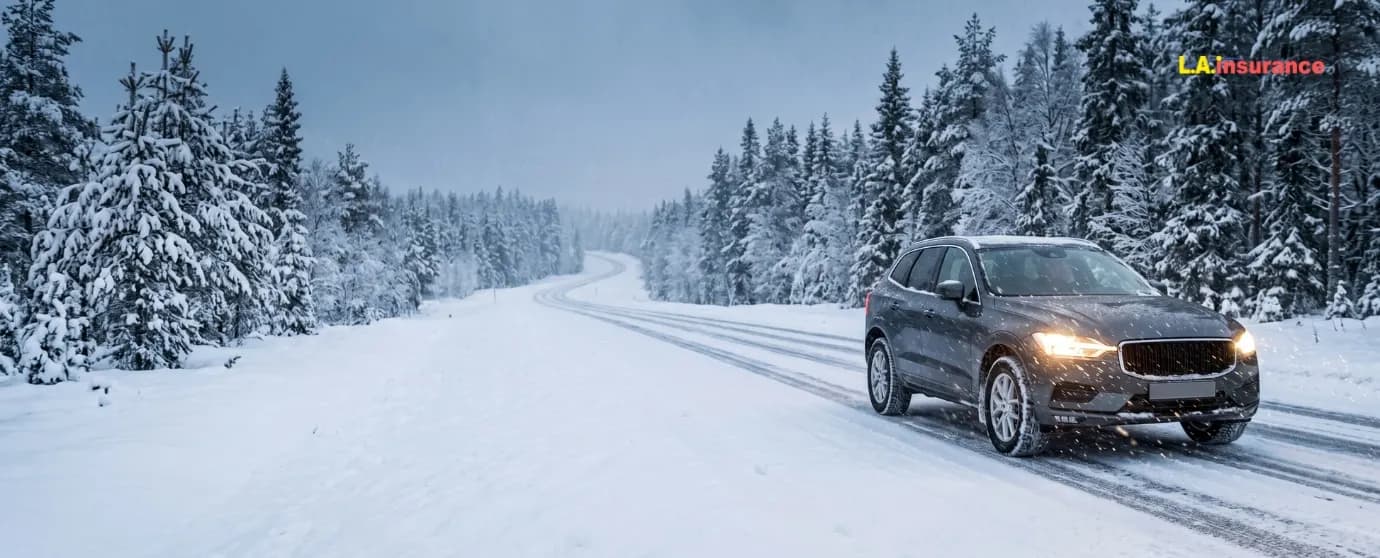
If you live in Michigan, you already know what it's like to drive through snowy winter roads. Everyone has experienced their vehicle slipping at one point or another while driving on snow or ice. It can be frightening, but knowing how to react can help you stay in control and reduce the risk of an accident.
L.A. Insurance has put together a few practical tips to help keep you and your family safe this winter. From preparing your vehicle before the season starts to handling slippery roads, a little preparation can go a long way.
Make Sure Your Vehicle Is Ready for Winter
The first place to start is making sure your vehicle is ready before you head out in snowy conditions. One of the most important things to check is your tires.
Inspect your tires at least once a month, preferably when they're cold, meaning the vehicle hasn't been driven for at least three hours. Check for scrapes, punctures, cracks, bulges, or any other visible damage that could affect performance.
The tread depth should be at least 2/32 of an inch, although deeper tread provides better traction in snow and slush. Also, make sure your tires are properly inflated since cold temperatures can cause tire pressure to drop. If you notice any damage or excessive wear, repair or replace the tire before driving.
Before winter weather arrives, it's also a good idea to check your windshield wipers, washer fluid, battery, headlights, and brakes to make sure everything is working properly.
Drive Slowly and Stay in Control
Driving in snow can be much easier when you know what to do. The first rule of driving on snow and ice is to drive slowly and smoothly. Reduce your speed, leave extra distance between you and the vehicle ahead, and avoid sudden acceleration, hard braking, or sharp steering movements.
Always be extra careful when approaching turns or curves. A vehicle can easily fishtail if you turn too quickly on icy roads. If your vehicle begins to skid, remain calm and gently steer in the direction you want the front of the vehicle to go. Avoid overcorrecting, as sudden movements can make the skid worse.
If snow has already accumulated on the roadway, driving on packed snow is often better than following deep ruts left by other vehicles, which can pull your tires unexpectedly.
Visibility is just as important as traction. Turn on your headlights whenever snowfall, blowing snow, or low visibility makes it harder to see. Even during the day, headlights make it easier for other drivers to see your vehicle.
Understand How Your Anti-Lock Braking System Works
Most modern vehicles are equipped with an Anti Lock Braking System (ABS), which helps drivers maintain steering control during emergency braking.
When you need to stop suddenly on snow or ice, press the brake pedal firmly and continue steering toward your intended path. You may notice the brake pedal vibrating or shuddering as the ABS activates. This is completely normal. Avoid pumping the brakes, as the system is already doing that for you automatically.
While ABS can help maintain steering control, it cannot eliminate the effects of excessive speed or poor road conditions. Driving cautiously is still the best way to stay safe.
Prepare for Winter Emergencies
Even experienced drivers can become stranded during severe winter weather. Planning ahead and carrying a few emergency supplies can make a big difference if you have to wait for help.
Consider keeping these items in your vehicle during the winter months:
- A flashlight with extra batteries.
- A blanket and extra warm clothing.
- Drinking water and nonperishable snacks.
- A phone charger or portable battery pack.
- An ice scraper and snow brush.
- Jumper cables.
- A small shovel.
- Sand or cat litter to improve traction if your tires become stuck.
If you'd like to learn more about what to include, L.A. Insurance has additional tips on building an emergency car kit.
Winter Tires Can Improve Safety
If you regularly drive in snowy or icy conditions, consider installing a set of winter tires before the season begins. Winter tires are made with rubber compounds that remain flexible in freezing temperatures and feature tread patterns designed to improve traction, braking, and handling on snow and ice.
While winter tires cannot eliminate slippery roads, they can provide additional confidence and control when temperatures drop.
Drive Safely All Winter Long
These are just a few of the ways you can prepare for safer winter driving. Taking a little time to get your vehicle ready, adjusting your driving habits, and planning for emergencies can help reduce your risk on snowy roads.
Whether you're commuting to work or heading out on a winter road trip, remember to slow down, leave extra space between vehicles, and give yourself plenty of time to reach your destination safely.
If you just bought a new vehicle or need insurance for your current one, L.A. Insurance is here to help. Stay safe this winter, and drive carefully wherever the road takes you.
Learn more: Safety tips for driving at night.
FAQs About Driving in Snow
Is it safe to drive in the snow?
Yes, but only if you adjust your driving to the conditions. Slow down, leave extra following distance, avoid sudden braking or sharp turns, and make sure your vehicle is prepared for winter weather before you head out.
Should I use winter tires or all season tires in snow?
Winter tires provide better traction, braking, and handling when temperatures stay below 45°F and roads are frequently covered in snow or ice. All season tires can handle light snow, but they don't offer the same level of grip in severe winter conditions.
What should I do if my car starts to skid on snow or ice?
Stay calm and avoid slamming on the brakes. Ease off the accelerator and gently steer in the direction you want the front of the vehicle to go. If your vehicle has an anti lock braking system (ABS), apply firm, steady pressure to the brake pedal during an emergency stop.
How much following distance should I leave when driving in snow?
Leave significantly more space than you normally would on dry roads because stopping distances increase on snow and ice. Giving yourself extra room provides more time to react if traffic slows or road conditions suddenly change.
What should I keep in my car for winter driving?
A winter emergency kit should include a flashlight, blanket, ice scraper, snow brush, jumper cables, phone charger, water, snacks, a small shovel, and sand or cat litter for added traction if your vehicle gets stuck. These supplies can help keep you safe if you're stranded during severe winter weather.
References
- Consumer Reports. (2026, March 23). Choose the Right Tires for Your Vehicle. Accessed July 7, 2026. https://www.consumerreports.org/cars/tires/buying-guide/
- National Highway Traffic Safety Administration (NHTSA). Winter Driving Tips. Accessed July 7, 2026. https://www.nhtsa.gov/winter-driving-tips
- Continental Tire. Driving in Snow: Tips for Safe Winter Driving. Accessed July 7, 2026. https://www.continental-tires.com/tire-knowledge/driving-in-snow/
Editorial Disclaimer
The resources on this blog are researched and created by experienced insurance writers, then fact-checked and verified for accuracy to provide clear, general informational guidance. This content does not constitute professional insurance, legal, or financial advice. Coverage options and premium rates are subject to individual eligibility, underwriting guidelines, and state availability. For specific questions regarding your policy or to get an accurate quote, please contact a licensed L.A. Insurance agent directly. We're an independent agency and not a direct insurance carrier. For more information on how we operate and handle your data, please see our Terms and Conditions and Privacy Policy.
Tag :
Auto insurance

What is Term Life Insurance?
Term life insurance is a type of life insurance policy that provides coverage for a specific period, generally 10, 15, 20, 30, or even 40 years.

Types of Life Insurance and How They Differ?
If you’re shopping for life insurance, you’ve probably come across different types of life insurance, such as term life insurance, whole life insurance, and universal life insurance.

What Is Life Insurance?
If you’re thinking about getting a life insurance policy, it’s important to understand what it is and how it works. Simply put, life insurance is a type of financial protection that provides money to your chosen beneficiaries after your death.

Does Car Insurance Cover Rust Damage?
Rust can damage many parts of your car and may become more severe over time if left untreated.
Does Insurance Cover a Tree Falling on Your Car?
Whether your car is parked out in the open under or near a tree, or you’re driving when a tree suddenly falls on your car, either way, it can leave your car severely damaged or even wrecked.
Does Car Insurance Cover Snow Damage?
Your car is more susceptible to damage in winter when it snows. As long as it’s out in the open, it can get damaged by snow at any moment.