Publish Date: 22-11-2026
Auto Insurance
How Does Usage-Based Car Insurance Work?
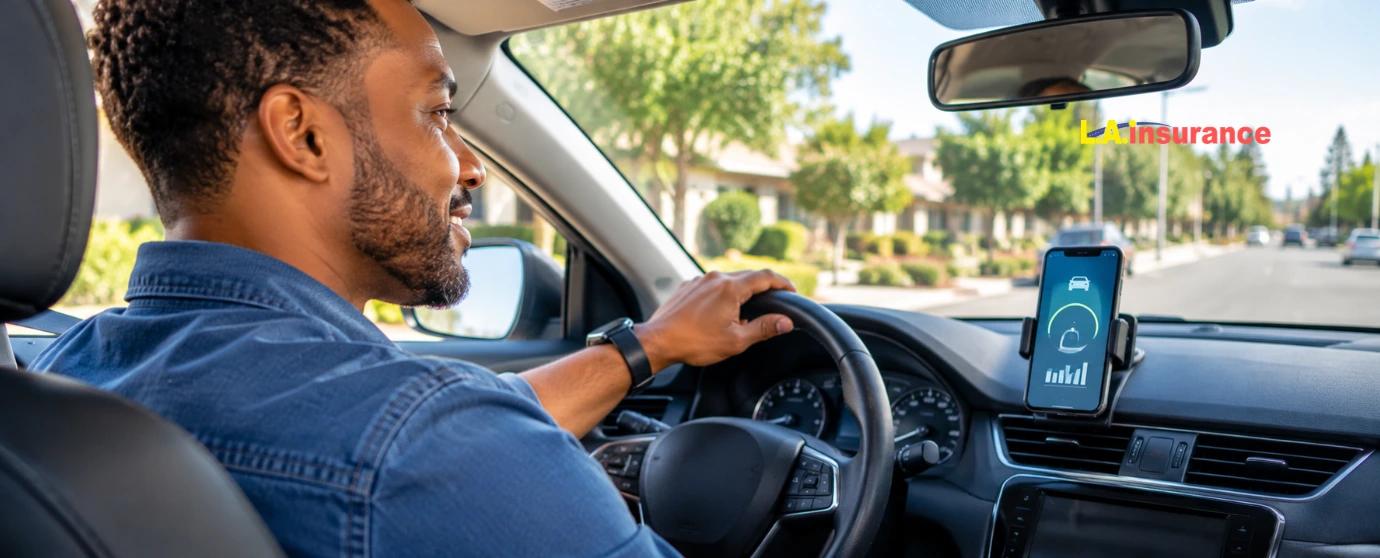
If you're looking for ways to lower your car insurance premiums, usage-based car insurance may be worth considering. This type of coverage allows your insurer to evaluate your driving habits through a mobile app, a plug-in telematics device, or your vehicle's built-in technology. The collected data helps insurers assess factors such as speeding, hard braking, acceleration, and mileage to determine whether you qualify for lower premiums or safe-driving discounts.
The best part is that you may be able to earn savings by demonstrating safe driving habits rather than relying solely on traditional rating factors. However, your potential savings depend on your insurer and the specific usage-based insurance program. In this guide, you'll learn how usage-based car insurance works, what driving habits insurers monitor, and whether this type of coverage is right for you.
What Is Usage-Based Car Insurance (UBI), and Is It the Same as Telematics Insurance?
Usage-based car insurance (UBI) is a type of auto insurance that uses your driving data to assess your risk and potentially adjust your premiums. Unlike traditional policies, UBI programs consider factors such as how often and how safely you drive.
Insurers use telematics technology to collect this information through a mobile app, a plug-in device, or your vehicle's built-in technology. Depending on the program, they may monitor your speed, acceleration, braking habits, driving time, and mileage.
Is usage-based car insurance the same as telematics insurance? In the auto insurance industry, these terms are often used interchangeably. However, there's a technical distinction. Telematics refers to the technology used to collect and transmit driving data, while usage-based insurance is the insurance model that uses this information to assess driving behavior and determine premiums or eligibility for discounts.
How Do Usage-Based Insurance Programs Actually Work?
Usage-based insurance programs work by collecting and analyzing your driving data over a specific period, typically weeks or months. Once you enroll, your insurer uses a mobile app, a plug-in telematics device, or your vehicle's built-in technology to monitor your driving habits through the data transmitted from cellular, GPS, or other technology. Here's how the process typically works.
- Driving Data Collection: The telematics system records information about your driving habits, including speed, acceleration, braking patterns, driving time, and mileage.
- Data Transmission: The collected information is transmitted to your insurance company through a smartphone app, portable telematics device, or connected vehicle system. A built-in tracking system is usually available in recent car models.
- Driving Behavior Assessment: Your insurer analyzes the information to evaluate your driving patterns and determine how safely and frequently you drive. Some programs also provide driving scores or feedback to help you improve your habits.
- Premium Calculation: Your insurer uses the evaluation results according to the program's pricing rules. Safe driving may qualify you for discounts or lower premiums, while some programs may factor driving performance into your overall insurance rates
Keep in mind that usage-based insurance involves sharing your driving data with your insurer, which may raise privacy concerns for some drivers. If you're comfortable with this arrangement, it may be worth considering. Otherwise, you can explore standard auto insurance policies to compare available coverage options and find one that suits your needs.
What Driving Habits Do Usage-Based Insurance Programs Monitor?
Usage-based insurance programs evaluate several aspects of your driving behavior to determine how safely and frequently you use your vehicle. While monitoring criteria vary by insurer, most programs consider factors such as speeding, braking patterns, acceleration, driving time, and mileage. Here's a closer look at the driving habits insurers may monitor
Speeding and Acceleration
Usage-based insurance programs may track how frequently you exceed speed limits or accelerate rapidly. Consistently speeding or accelerating too aggressively can indicate risky driving behavior, while maintaining steady speeds and accelerating smoothly may help demonstrate safer driving habits.
Hard Braking
Frequent or sudden braking can indicate aggressive driving or a failure to maintain a safe following distance. Telematics systems may monitor how often and how forcefully you apply the brakes to evaluate your driving patterns.
Cornering
Insurers may also monitor how you handle turns and curves. Taking corners too quickly or making sharp turns can indicate aggressive driving behavior, while smooth and controlled cornering may contribute to a better driving assessment.
Time of Day You Drive
When you drive can also influence your driving assessment. Some UBI programs monitor whether you frequently drive during late-night or early-morning hours, when accident risks may be higher. According to the National Safety Council (NSC), fatal car crashes most frequently occur between 8 p.m. and 11:59 p.m. during spring and summer, while the peak shifts to 4 p.m. to 7:59 p.m. during winter.
If you frequently drive during these higher-risk hours, it may affect your driving assessment and make it harder to qualify for safe-driving discounts. Some insurers may also consider this factor when calculating your premiums.
Total Mileage
Some usage-based insurance programs consider how many miles you drive when calculating premiums. Drivers who spend less time on the road may qualify for lower rates through mileage-based pricing programs.
According to Kelley Blue Book, insurers typically offer their highest low-mileage discounts to drivers who travel fewer than 7,000 miles annually. Similarly, Yahoo Finance reports that driving fewer than 7,500 miles per year could help you save 5% to 15% on your auto insurance premiums, depending on your insurer and state.
Learn More: How Does Annual Mileage Impact Car Insurance Rates?
Distracted Driving
Certain telematics programs can detect potential distracted driving behaviors, such as mobile phone use while driving. Monitoring capabilities vary, but some apps use smartphone sensors to identify phone handling or screen interaction during trips.
What Are the Different Types of Usage-Based Car Insurance?
Usage-based car insurance generally falls into two main categories: mileage-based and driving behavior-based programs. Both use telematics technology to collect driving data, but they differ in how insurers use that information to calculate premiums.
Pay-As-You-Drive (PAYD) Insurance
Pay-As-You-Drive (PAYD) insurance bases your premiums primarily on how many miles you drive. The less you drive, the less you may pay for coverage. Insurers typically track your mileage through a telematics device, mobile app, or your vehicle's built-in technology.
Some programs charge a base premium along with an additional fee for each mile driven, making this a potentially more affordable option if you drive infrequently or use your car less during certain seasons, such as winter.
Pay-How-You-Drive (PHYD) Insurance
Pay-How-You-Drive (PHYD) insurance focuses on your driving behavior rather than just the distance you travel. Insurers typically evaluate factors such as speeding, hard braking, rapid acceleration, and driving time to assess your driving risk.
As spending more time on the road generally increases your exposure to potential accidents, some PHYD programs may also factor in your total mileage. Safe driving habits may help you qualify for discounts or lower premiums, while riskier driving patterns may affect your rates under certain programs.
How Does Usage-Based Insurance Affect Your Premiums?
If you demonstrate safe driving habits, usage-based insurance may help you qualify for more affordable premiums. According to Forbes, drivers may save anywhere from 5% to 40% through certain usage-based car insurance programs, depending on the insurer and their driving performance.
Based on average rates, car insurance costs about $912 per year for minimum coverage and $2,496 for full coverage. If you qualify for savings within that 5% to 40% range, you could potentially save around $46 to $365 annually on minimum coverage and $125 to $998 on full coverage.
However, not all usage-based insurance programs reward safe driving in the same way. While some offer discounts without increasing your premiums for risky driving, others may use your telematics data to adjust your rates at renewal. Frequent speeding, hard braking, and other risky driving habits could therefore result in higher premiums under certain programs.
If you have a less favorable driving history, a usage-based insurance program may also give you an opportunity to demonstrate safer driving habits over time. However, participating in one won't automatically erase previous tickets or accidents from your driving record. Your insurer may continue to consider your conventional driving history and other rating factors when calculating your premiums.
Pros and Cons of Usage-Based Car Insurance
If you're considering usage-based car insurance, it's important to weigh its advantages and disadvantages before enrolling in a program. This can help you decide whether the potential savings and benefits outweigh the drawbacks.
Pros of Usage-Based Car Insurance:
- Potential Premium Savings: Usage-based insurance may reward safe driving habits with discounts or lower premiums, helping eligible drivers reduce their insurance costs.
- An Opportunity for Younger and Higher-Risk Drivers: Younger or higher-risk drivers may have an opportunity to demonstrate responsible driving habits and potentially qualify for lower premiums.
- Personalized Driving Feedback: Many UBI apps provide feedback on driving patterns, such as hard braking, rapid acceleration, and potential phone use while driving. You can use these insights to identify risky habits and improve your driving.
- Flexibility for Low-Mileage Drivers: Pay-per-mile programs can help you save money if you drive infrequently or keep your car parked most of the time.
- Encourages Better Driving Habits: Regular feedback on your driving behavior can help you become more aware of risky practices, make safer driving decisions, and develop better habits over time.
Cons of Usage-Based Car Insurance:
- Privacy Concerns: Usage-based insurance requires you to share driving data with your insurer, which may include your location, mileage, driving speed, and other driving habits.
- Potential Premium Increases: Some programs may increase your premiums at renewal if your telematics data indicates risky driving habits, such as frequent speeding or hard braking.
- Allowing Someone Else to Drive: If someone else drives your car, their driving habits may be recorded by your telematics device or app and included in your driving assessment. Similarly, the app may mistake passenger phone use for distracted driving, especially if it can’t accurately identify who’s driving.
- Defensive Driving May Affect Your Score: Sometimes, you may need to brake suddenly or accelerate quickly to avoid an accident or respond to road hazards. Depending on how your insurer's telematics system evaluates these actions, defensive driving maneuvers could negatively affect your driving score.
- Technology Requirements: Depending on the program, you may need a compatible smartphone, mobile app, or plug-in telematics device to participate. Technical issues or connectivity problems may also affect data collection.
- Not Suitable for Every Driving Schedule: Frequent nighttime driving, long commutes, or unpredictable driving schedules may affect your driving assessment and make it harder to qualify for discounts.
Who Should Consider Usage-Based Car Insurance?
Usage-based car insurance may be a good option if your driving habits, mileage, or daily schedule align with the requirements of your insurer's program. While it isn't suitable for everyone, certain types of drivers may benefit more from this coverage.
- Safe and Responsible Drivers: If you consistently follow speed limits, avoid hard braking, and maintain safe driving habits, you may qualify for discounts or lower premiums through a usage-based insurance program.
- Low-Mileage Drivers: If you work remotely, rarely commute, or use your car occasionally, a mileage-based insurance program may help you save money based on how little you drive.
- Younger and Inexperienced Drivers: If you're a younger driver with limited driving experience, a UBI program may give you an opportunity to demonstrate responsible driving habits and potentially qualify for lower premiums.
- Drivers Looking to Improve Their Driving Habits: If you want to become a safer driver, telematics feedback can help you identify risky behaviors, such as speeding, rapid acceleration, and hard braking, so you can work on improving them.
- Drivers Comfortable Sharing Their Driving Data: If you don't mind sharing information about your driving habits, mileage, and potentially your location with your insurer, you may find UBI programs worth considering.
How Can You Get Usage-Based Car Insurance?
If you're interested in usage-based car insurance, you can explore programs offered by different insurance companies. Depending on the insurer, you may be able to enroll when purchasing a new policy or add a telematics program to your existing coverage.
Here's how you can get started:
- Explore Insurers that Offer UBI: Check which insurers in your area offer usage-based insurance programs. If you already have car insurance, start by checking with your current provider. Otherwise, explore insurers that offer UBI to new customers.
- Compare Available Programs: Compare their pricing structures, potential savings, monitoring requirements, and how they use your driving data. Also, check whether risky driving can increase your premiums or simply reduce your potential discounts.
- Check Eligibility Requirements: Review the program's requirements before enrolling. Some insurers require a compatible smartphone, while others provide a plug-in telematics device or use your vehicle's built-in technology.
- Enroll in the Program: Once you've selected a suitable option, follow your insurer's enrollment instructions. You may need to download a mobile app, activate a telematics device, or connect your vehicle to the program.
- Start Driving and Monitor Your Progress: After enrollment, use the app or device as instructed and maintain safe driving habits. Some insurers provide regular feedback or driving scores, allowing you to track your performance and understand how it may affect your premiums.
If you need help finding an insurer that offers usage-based car insurance, you can connect with your nearest L.A. Insurance agent to compare quotes from available carriers. Based on your coverage needs and budget, our agents can help you explore available UBI programs and determine whether usage-based or traditional car insurance is a better fit for you.
The Bottom Line: Is Usage-Based Car Insurance Worth It?
It depends on your driving habits, mileage, and how comfortable you are about sharing your driving data. Usage-based car insurance can be worth considering if you're a safe driver, drive relatively few miles, or want to demonstrate responsible driving habits to potentially qualify for lower premiums.
On the other hand, it may not be the best option if you frequently allow others to drive your car, have concerns about sharing your personal driving data, or regularly drive during hours that could negatively affect your driving assessment. In these cases, comparing traditional car insurance policies may be a better approach.
Whether you're interested in purchasing usage-based car insurance, comparing coverage options, or deciding which type of car insurance policy suits your needs, you can contact us for expert guidance and a free quote.
Frequently Asked Questions (FAQs)
Is usage-based car insurance cheaper than traditional insurance?
Usage-based car insurance can be cheaper than traditional insurance if you maintain safe driving habits or drive fewer miles. However, your potential savings depend on the insurer, the program's requirements, and how your driving data affects your premiums. Some programs may also increase your rates for risky driving, while others only offer discounts.
Can usage-based insurance increase your premiums?
Yes, some usage-based insurance programs can increase your premiums if your telematics data indicates risky driving habits, such as frequent speeding, hard braking, or rapid acceleration. However, other programs are discount-only and won't raise your rates based on your driving score. It depends on your insurer and the policy terms.
Does usage-based car insurance track your location?
Yes, many usage-based car insurance programs use GPS technology to track your location, routes, and driving times. However, the type of location data collected and how it's used depends on your insurer and the specific telematics program.
Can you opt out of usage-based insurance?
Yes, you can typically opt out of a usage-based insurance program, as participation is generally optional. However, the process and any consequences, such as losing a safe-driving discount, depend on your insurer and the program's terms.
Can someone else drive my car with usage-based insurance?
Yes, someone else can generally drive your car, but their driving behavior may be recorded by your telematics device or app and affect your driving score. Check your insurer's program rules to understand how other drivers' activity may influence your discounts or premiums.
Is usage-based insurance the same as pay-per-mile insurance?
No, usage-based insurance and pay-per-mile insurance aren't exactly the same. Pay-per-mile insurance is a type of usage-based insurance that primarily calculates premiums based on how many miles you drive. Other UBI programs also evaluate driving behaviors, such as speeding, hard braking, and acceleration, when determining your premiums.
Editorial Disclaimer
The resources on this blog are researched and created by experienced insurance writers, then fact-checked and verified for accuracy to provide clear, general informational guidance. This content does not constitute professional insurance, legal, or financial advice. Coverage options and premium rates are subject to individual eligibility, underwriting guidelines, and state availability. For specific questions regarding your policy or to get an accurate quote, please contact a licensed L.A. Insurance agent directly. We're an independent agency and not a direct insurance carrier. For more information on how we operate and handle your data, please see our Terms and Conditions and Privacy Policy.
Tag :
Auto insurance
cheap insurance
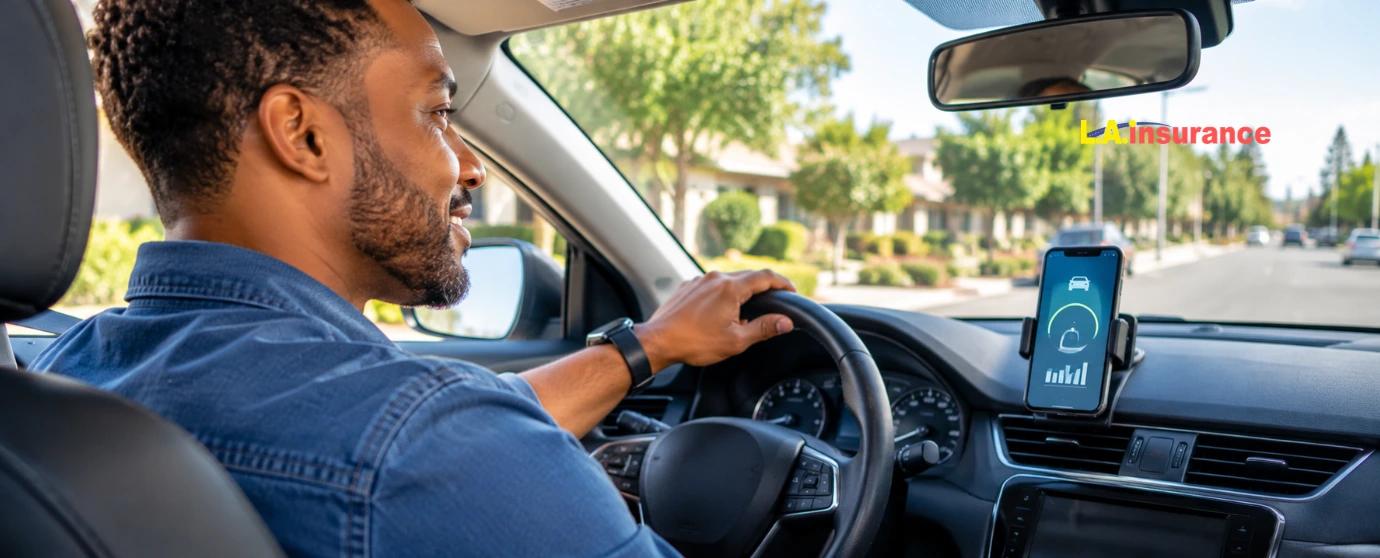
How Does Usage-Based Car Insurance Work?
If you're looking for ways to lower your car insurance premiums, usage-based car insurance may be worth considering.

What is Universal Life Insurance?
If you’re exploring permanent life insurance options that provide a death benefit, cash value accumulation, and the flexibility to adjust premium payments, universal life insurance could be an option worth considering.

What is Whole Life Insurance?
If you're looking for a reliable life insurance policy that provides lifetime coverage and builds cash value over time, whole life insurance may be an option worth considering.

How Much is Car Insurance in Arizona?
If you're shopping for car insurance in Arizona, the first thing that comes to mind is the cost. Typically, car insurance premiums in Arizona range from $969 to $1,628 per year for full coverage.

Do You Need Insurance to Register a Car in Arizona?
Yes, you do need car insurance to register a car in Arizona, as it's legally mandatory. But here's the catch though, you don't need to submit proof of insurance to the MVD (Motor Vehicle Division) upfront when you initially register your car.

What is Permanent Life Insurance?
Wouldn’t it be helpful to have a life insurance policy that provides lifelong coverage and can also build cash value over time? That’s where permanent life insurance comes in.