Publish Date: 25-07-2026
Auto Insurance
How to Get Car Insurance Before Buying a Car?
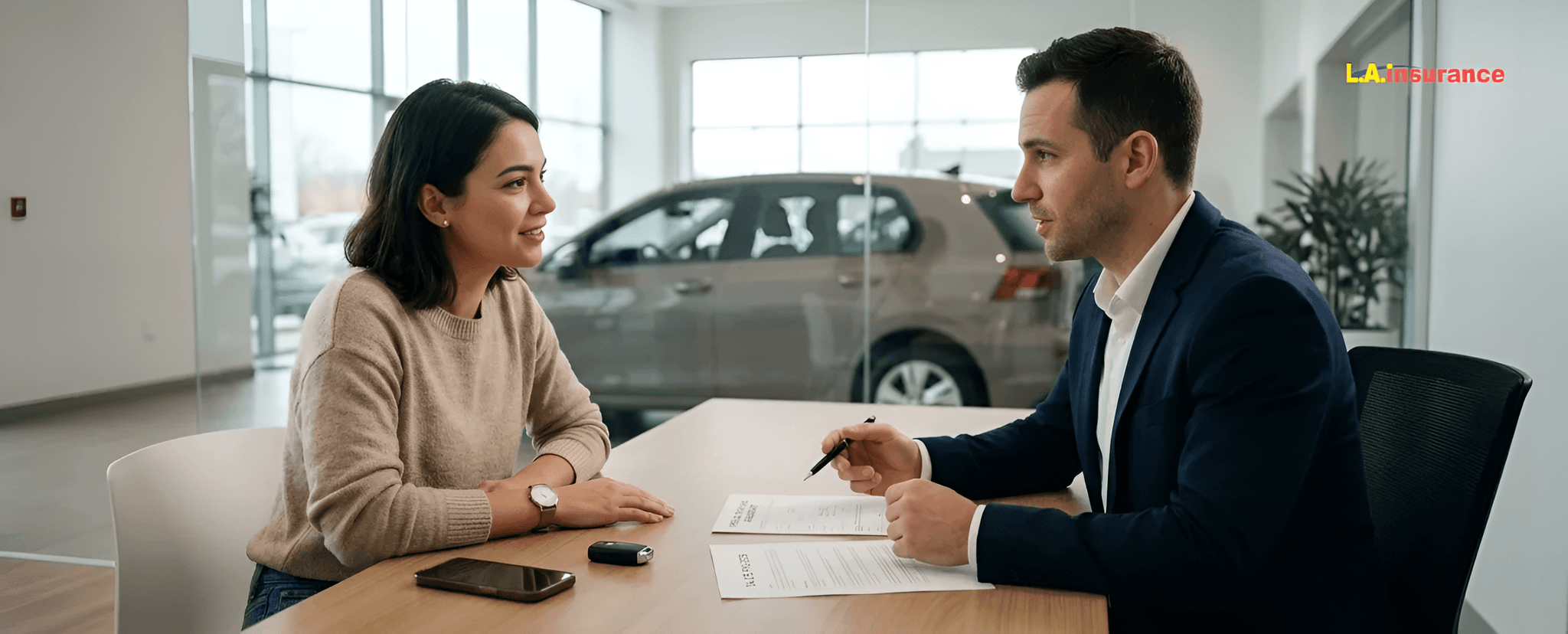
If you're thinking of buying a car any time soon, you might also be wondering whether you need car insurance before buying the car. In most cases, arranging your policy in advance is the smarter approach.
It helps ensure you're legally covered before driving the vehicle, and if you're financing or leasing it, your lender may require proof of insurance with coverage such as liability, collision, and comprehensive.
Although buying insurance before purchasing a car may seem confusing, the process is fairly straightforward. Insurers typically ask for details about the vehicle you plan to buy, such as its make, model, year, and, if available, its VIN, so they can calculate your premium and prepare your policy.
Once you've decided on the car you want, you can compare quotes, choose your coverage, and schedule your policy to take effect on the day you take ownership. In this guide, you'll learn how to get car insurance before buying a car, what information you'll need, and whether you can purchase coverage on the same day you buy your vehicle.
Can You Get Car Insurance Before Buying a Car?
Yes, you can get car insurance before buying a car. In fact, many drivers arrange their car insurance before completing the purchase, so they can legally drive the car home and meet any lender or dealership requirements.
To get car insurance, you don't necessarily need to own the car yet. However, you do need to decide on the specific car you plan to buy. When you apply for car insurance, insurers typically ask for basic information about the car, including its year, make, model, and, if available, its VIN (Vehicle Identification Number), to calculate your premium and prepare your policy.
So, if you can provide this basic information about the car you plan to buy, you can get a quote and even purchase an auto insurance policy by choosing the coverage you need.
Why Should You Get Car Insurance Before Buying a Car?
While it's not legally required to have car insurance before buying a car, getting covered beforehand can make the buying process smoother and help you avoid unnecessary complications.
Here are three reasons to get insured before purchasing a car.
Driving the Car Off the Lot
If you don't have car insurance, you can't legally drive your car off the lot, even if you're heading straight home right after purchasing it. If you're aware of the car insurance laws, it is legally mandatory in most states in the U.S.
So, by getting adequate car insurance coverage in advance, you can stay legally compliant and even get financial protection for your newly purchased car. After all, accidents can happen at any time, even on your first day of ownership.
For example, based on this Reddit discussion, this brand-new Tesla Model 3 car was accidentally hit by another vehicle just 24 hours after taking ownership. Fortunately, as the owner of the car was insured, they managed to claim it to cover the loss.
Whether you're involved in an at-fault accident or another covered incident, having car insurance from day one can help reduce your out-of-pocket expenses and give you greater financial peace of mind.
Meeting the Minimum State Requirements
Nearly every state in the U.S. requires drivers to carry at least the minimum amount of car insurance before operating a vehicle on public roads. However, the type and amount of coverage you need depends on your state's insurance laws.
For example, even in no-fault states like Michigan and Florida, the minimum insurance requirements differ. Here in Michigan, it is mandatory to carry liability coverage, Personal Injury Protection (PIP), and Property Protection Insurance (PPI), whereas Florida requires Personal Injury Protection (PIP) and Property Damage Liability (PDL) coverage.
On the other hand, at-fault states like Arizona and Colorado generally require only minimum liability coverage. Since insurance requirements vary from state to state, it's important to make sure your policy is active before driving your newly purchased car. This can help you stay legally compliant and avoid unnecessary delays, fines, or other penalties for driving without insurance.
Satisfying Lender or Lease Requirements
If you're financing or leasing a car, getting insurance before completing the purchase is often more than just a legal requirement; it's also a requirement set by your lender or leasing company. Most lenders require you to carry more than the state's minimum liability coverage to protect the vehicle until the loan or lease is paid off.
In many cases, you'll also need collision and comprehensive coverage in addition to liability insurance. Collision coverage helps pay for damage to your vehicle after an accident, while comprehensive coverage protects against non-collision events, such as theft, vandalism, fire, hail, or falling objects.
Having the required coverage in place before you take ownership of the vehicle can help prevent delays at the dealership and ensure you meet your lender's or leasing company's insurance requirements from day one.
4 Steps to Get Car Insurance Before Purchasing a Car
Once you've decided to buy a car, it's time to arrange your insurance. While the exact process may vary slightly between insurers, the steps below can help you have an active auto insurance policy in place, allowing you to drive your new car home as soon as you complete the purchase.
Select the Car You'll Be Insuring
Before you can buy car insurance, you'll need to decide which car you plan to purchase. Insurers use details about the car to calculate your premium and determine the coverage options available to you.
Be prepared to provide basic information, such as the year, make, model, trim, and Vehicle Identification Number (VIN) if it's available. If you haven't finalized the purchase yet, the dealership or seller can usually provide these details.
Gather Necessary Information and Documents
After choosing the car you plan to buy, gather the information and documents you'll need to apply for car insurance. Having everything ready can make the application process faster and help you receive a more accurate quote.
Most insurers will ask for the following:
- Personal information: Your full name, date of birth, address, phone number, and email address.
- Driver's license: A valid driver's license number for everyone who will be listed on the policy.
- Driving history: Information about recent accidents, traffic violations, or previous insurance claims, if applicable.
- Car details: The year, make, model, trim, and Vehicle Identification Number (VIN), if available.
- Current insurance information: Your existing insurance policy details if you're switching insurers or replacing another vehicle.
- Payment information: A credit card, debit card, or bank account information to pay your first premium if you decide to purchase the policy.
If you're buying your first car, or your first time getting car insurance, and you don't have a driver's license yet, don't worry, you may still be able to purchase car insurance with a learner's permit. However, coverage options may be limited, and your premium may be higher depending on factors such as your age, driving experience, and the insurer's underwriting guidelines.
Explore Quotes from Multiple Insurers
Once you've gathered the necessary information, request quotes from multiple insurers. Comparing several quotes can help you find the right coverage at a competitive price, as premiums, discounts, coverage options, and deductibles can vary from one insurer to another.
When comparing quotes, don't focus on premiums alone. Review the coverage limits, deductibles, exclusions, optional coverages, available discounts, and customer service to determine which policy offers the best overall value for your needs.
If you're unsure which policy is right for you, consider exploring car insurance quotes with the help of an insurance agency like L.A. Insurance, especially if you're seeking coverage in Arizona, Colorado, Florida, Michigan, Nevada, and Texas. We offer our own insurance products as well as policies from several trusted carriers, making it easier to compare your options and choose the coverage that works best for you.
Purchase the Policy and Set Its Effective Date
Once you've chosen the right policy, the final step is to purchase your car insurance and select when your coverage should begin. In most cases, you can choose an effective date that aligns with the day you plan to take ownership of the car.
Be sure your policy becomes active before you drive the car off the dealership lot or away from the seller. Even a short drive without insurance could leave you financially responsible for damages if you're involved in an accident and may put you in violation of your state's insurance laws.
After completing your purchase, your insurer will provide proof of insurance digitally through their insurance app, or email almost instantly or within a few minutes. You will also get a physical card mailed to your address which can take 24 to 48 hours, or 7 days or more, depending on the insurer and your location.
Keep a copy with you, as you may need to show it to the dealership, your lender, or law enforcement if requested. Once your policy is active and you have proof of insurance, you're ready to complete your purchase and drive your new car home with confidence.
Is it Possible to Buy Car Insurance the Same Day You’re Buying the Car?
Yes, it is possible to buy car insurance on the same day you're purchasing a car. In fact, many drivers arrange their coverage just hours before completing the purchase. Most insurance companies allow you to get a quote, purchase a policy online or over the phone, and receive proof of insurance digitally within a short period of time.
However, buying insurance at the last minute isn't always the best approach. If you wait until you're already at the dealership, you may feel rushed when comparing quotes, reviewing coverage options, or looking for available discounts. You also risk delaying the purchase if there are issues verifying your information or activating your policy.
Whenever possible, start comparing quotes a few days before buying your car. This gives you enough time to review your options, choose the right coverage, and ensure your policy is active before you drive your new car home.
Should You Get Car Insurance Before or After Buying a Car?
It's ideal to get car insurance before buying a car as it can help you stay legally compliant. Also, if you're financing your car, having an active car insurance policy beforehand with your state's mandatory coverage along with collision and comprehensive coverage fulfills lender requirements.
Although it's possible to buy car insurance on the same day you purchase a car, waiting until the last minute can limit your options and delay the buying process. Planning ahead gives you more time to review coverage limits, compare deductibles, explore discounts, and make an informed decision.
If you need help choosing the right policy before or after buying a car, you can contact us or find an agent nearby to get a free quote with expert tips. Our experienced agents can compare coverage options from multiple carriers, explain your choices, and help you find a policy that fits your needs and budget.
Frequently Asked Questions (FAQs)
Do I buy a car first or get insurance first?
It's generally best to arrange your car insurance before buying a car. Having your policy ready ensures you're covered as soon as you take ownership, helps you meet your state's insurance requirements, and can satisfy lender or lease requirements if you're financing the car. While you can buy insurance on the same day as your purchase, planning ahead gives you more time to compare quotes and choose the right coverage.
Can I buy car insurance and use it immediately?
Yes, many insurers you to purchase a policy and have coverage begin immediately or within 15 to 30 minutes. Once your policy is active, you'll typically receive digital proof of insurance that you can use right away. Just make sure your coverage is in effect before driving your car.
How to get car insurance immediately?
To get car insurance immediately, gather your driver's license, personal information, and the car's details, then request quotes from one or more insurance companies. Once you've chosen a policy, you can purchase it online, over the phone, or through an insurance agent and set your coverage to begin right away. Most insurers provide digital proof of insurance within minutes after your policy becomes active.
Can a dealership sell a car without insurance?
Yes, a dealership can generally sell you a car even if you don't have insurance. However, most dealerships won't let you drive the car off the lot until you provide proof of insurance. If you're financing or leasing the car, your lender or leasing company may also require you to have specific coverages, such as collision and comprehensive insurance, before you take ownership.
How do I insure a car before buying it?
To insure a car before buying it, choose the car you plan to purchase and gather its details, including the year, make, model, and VIN (if available). Then, compare quotes from multiple insurers, choose the right coverage, and purchase a policy with an effective date that begins before receiving the car.
How to estimate car insurance before buying a car?
To estimate car insurance before buying a car, request quotes from multiple insurers using the car's year, make, model, trim, and VIN (if available). Insurers also consider factors such as your age, driving history, location, and the coverage limits and deductibles you choose when calculating your premium. Comparing several quotes can help you estimate your costs and find the best value before you purchase the car.
Editorial Disclaimer
The resources on this blog are researched and created by experienced insurance writers, then fact-checked and verified for accuracy to provide clear, general informational guidance. This content does not constitute professional insurance, legal, or financial advice. Coverage options and premium rates are subject to individual eligibility, underwriting guidelines, and state availability. For specific questions regarding your policy or to get an accurate quote, please contact a licensed L.A. Insurance agent directly. We're an independent agency and not a direct insurance carrier. For more information on how we operate and handle your data, please see our Terms and Conditions and Privacy Policy.
Tag :
Auto insurance
fast car insurance
cheap car insurance
car maintenance

What is Term Life Insurance?
Term life insurance is a type of life insurance policy that provides coverage for a specific period, generally 10, 15, 20, 30, or even 40 years.

Types of Life Insurance and How They Differ?
If you’re shopping for life insurance, you’ve probably come across different types of life insurance, such as term life insurance, whole life insurance, and universal life insurance.

What Is Life Insurance?
If you’re thinking about getting a life insurance policy, it’s important to understand what it is and how it works. Simply put, life insurance is a type of financial protection that provides money to your chosen beneficiaries after your death.

Does Car Insurance Cover Rust Damage?
Rust can damage many parts of your car and may become more severe over time if left untreated.
Does Insurance Cover a Tree Falling on Your Car?
Whether your car is parked out in the open under or near a tree, or you’re driving when a tree suddenly falls on your car, either way, it can leave your car severely damaged or even wrecked.
Does Car Insurance Cover Snow Damage?
Your car is more susceptible to damage in winter when it snows. As long as it’s out in the open, it can get damaged by snow at any moment.