Publish Date: 08-02-2026
Auto Insurance
Last Updated: 19-05-2026
What is Roadside Assistance and What Does it Cover?
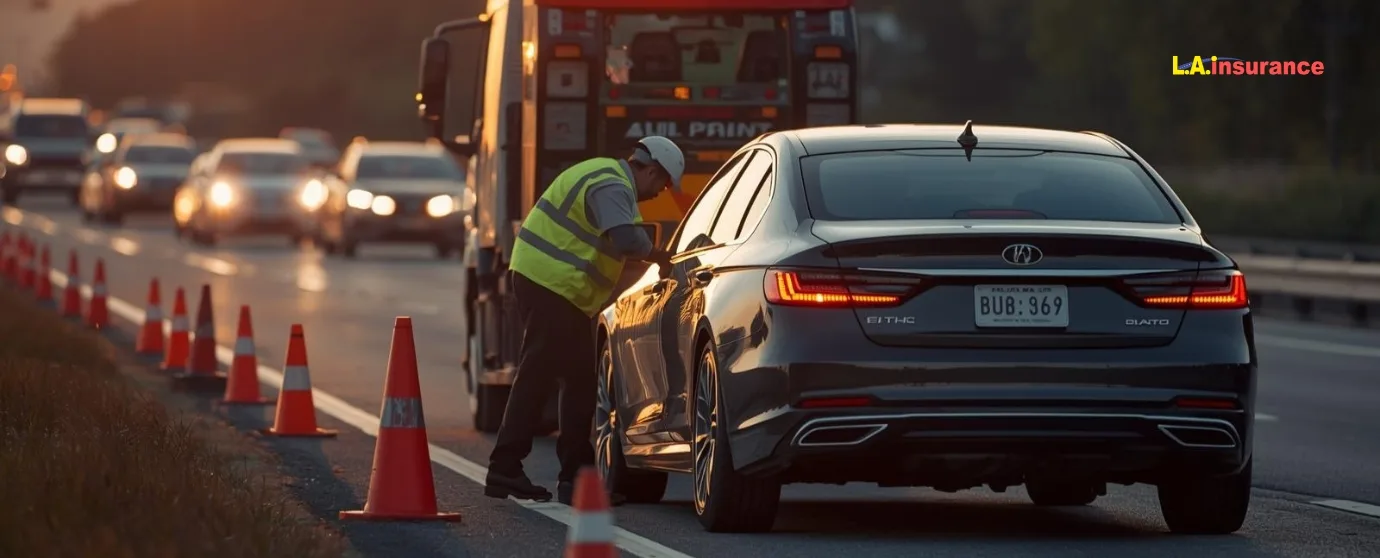
While traveling, situations like dead batteries, a flat tire, or worse, a sudden mechanical breakdown wouldn’t just ruin your trip experience but can also turn out to be quite stressful, especially if you’re far from home.
Whether it’s a regular commute or you’re out traveling somewhere far, if your car gets stuck in the middle of the road or on a muddy trail, you may need emergency roadside assistance.
Of course, you can call 911 and get help for roadside assistance, but if you need towing, refueling, or emergency on-spot car maintenance, you will have to pay the entire cost out of pocket unless you have roadside assistance coverage in your auto insurance policy.
If you’re trying to decide whether roadside assistance is worth it, this guide explains everything you need to know to make an informed decision. This includes what roadside assistance covers (and doesn’t cover), how much it costs, and how to get it through your auto insurance policy.
What Does Roadside Assistance Cover?
If your car gets stranded or stuck anywhere, you will either need to get it fixed or towed to your garage or the nearest auto repair shop.
If your car suddenly breaks down, it can cost you a certain amount for towing and on-spot repairs, according to MarketWatch, Bankrate, and other relevant sources, which include:
- Towing: $75 to $200, or more, which can also range from $2.5 to $7 per mile. On average, it can cost you about $109 on average, which can even go up to $600 or more if the distance is 100 miles away.
- On-spot repairs: Mobile help like jump-starts, fuel delivery, battery assistance, or a tire change can cost around $50 to $100 per hour, depending on the provider and the situation.
- Roadside locksmith services: If you get locked in or out of your car, emergency locksmith services can cost you $50 to $100 per hour of service.
While individual emergency repair services may seem quite cheap, if you add up all these costs, it can even cost you up to $1,000 or more, which is, in fact, a significant amount. If you have roadside assistance coverage, your auto insurance policy will cover these costs without having to worry about extensive out-of-pocket costs.
Since roadside assistance is typically an optional add-on, it’s worth choosing a reliable insurance agency that can help you compare options and add affordable car insurance coverage that fits your budget. If you’re trying to decide whether roadside assistance is worth it, let’s explore what it covers.
Mechanical Breakdown
Your car can suddenly stop working due to a mechanical problem, such as a failing alternator, transmission trouble, or engine-related issues. In these situations, roadside assistance may cover basic troubleshooting and minor on-the-spot help, such as checking for obvious issues or helping restart the vehicle when possible.
However, roadside assistance is limited to minor emergency services. If the problem is more complex and the car can’t be safely fixed on the roadside, you’ll typically need to have it towed to the nearest auto repair shop.
Keep in mind that the roadside assistance coverage is specifically limited to emergency minor repair services, not extensive auto repair. If your transmission, alternator, catalytic converter, or engine has been damaged due to an accident or unexpected event, you will need either collision or comprehensive coverage to pay for the repair or replacement expenses.
On the other hand, if someone else’s car faces a mechanical breakdown due to an accident where you’re at fault, your liability coverage will cover the towing and repair costs of the other driver’s vehicle up to your coverage limit.
Towing
If you’re unable to drive your car, it needs to be towed either to the nearest auto repair shop or your garage. One of the major benefits of roadside assistance coverage is that it pays your car’s towing costs.
However, while you’re getting the roadside assistance coverage, confirm the number of miles with your insurer. On average, the basic roadside assistance coverage includes 5 to 15 miles, whereas with enhanced plans, the towing coverage can be extended to 100 miles or more.
Keep in mind that when you cross the towing limit, you will be charged $2.5 to $7 per mile, or up to $600 per 100 miles, depending on your insurer and the policy terms.
Also learn: What is towing and labor coverage?
Flat Tire
While you’re traveling, your car’s tires can get worn out, or it can suddenly hit a sharp object and get punctured. When you get a flat tire, it’s almost impossible to drive your car as it gets difficult to control it and stay in motion.
The only option is to replace the tire. If you don’t have experience replacing tires, you may need help. The roadside assistance coverage will pay the cost of replacing the car’s tire. If you have a spare tire with you, you can use that, but if you need to purchase one, you will have to pay for it out of pocket, as the roadside assistance coverage does not cover the tire itself.
Dead Batteries
If your car’s battery is drained while you’re driving, your vehicle usually won’t shut off instantly because the alternator keeps the electrical system running. However, once the car is turned off, a dead battery may prevent it from starting again because there isn’t enough power to crank the engine.
With roadside assistance coverage, your auto insurance policy may cover emergency help such as a battery jump-start and basic testing or troubleshooting, depending on your plan. If your battery needs to be replaced, you’ll typically have to pay the replacement cost out of pocket.
If the vehicle still won’t start, you may need to have it towed to an auto repair shop for further diagnosis and repairs.
Fuel Delivery or Refueling Service
If your car suddenly runs out of fuel, your car’s engine will stop, and it will remain stuck until you get it refueled. With the roadside assistance coverage, you can get emergency fuel delivery service to your location to get your car refueled.
Usually, 2 to 5 gallons of fuel are often carried by the mechanic for roadside emergency service. If you request emergency refueling, then the mechanic will bring the fuel along, but the roadside assistance coverage will only cover the fuel delivery and the refueling service. You will have to pay for the cost of fuel itself out of pocket.
Emergency Mechanic Service
While driving, your car can suddenly stop working due to minor issues. If you can’t identify the problem or fix it yourself, you can contact your roadside assistance provider to request on-the-spot mechanic service.
Roadside assistance coverage may help pay for emergency roadside service, starting from diagnosing the issue to handling minor repairs that can get your vehicle running again. However, if the issue is complex and requires specialized equipment, replacement parts, or more extensive labor, you’ll likely need to have the car towed to the nearest auto repair shop.
In many cases, your car may only need a simple fix to get back on the road, such as jump-starting a dead battery, tightening a loose battery cable, replacing a blown fuse, adding engine coolant or water (in an emergency), or helping restart the vehicle after a minor electrical issue.
Lockout Services
Getting locked out of your car can happen unexpectedly, whether you leave your keys inside the vehicle, lose them, or your key fob stops working. In these situations, roadside assistance coverage may include lockout services to help you regain access to your car without damaging the locks or windows.
Typically, a roadside service technician will be sent to unlock your vehicle using specialized tools. However, keep in mind that lockout coverage usually has limits, and it may not include key replacement, reprogramming a smart key, or fixing a broken lock. If you need a new key made, you will have to pay that cost out of pocket.
Trip Interruption and Travel Assistance (if included)
If your roadside assistance coverage includes trip interruption and travel assistance, you will be reimbursed for hotel stays, meals, and alternative transportation if your car breaks down at least 100 miles away from home.
Generally, it covers up to $1,000 to $1,500 of the above-mentioned costs while your car gets repaired at the auto repair shop. This can be very helpful while traveling long distances, especially to secure yourself from unexpected car breakdowns, which can be inconvenient, risky, and financially stressful.
Winching
If your car gets stuck in deep mud, snow, sand, or a ditch, it may need to be recovered before it can be safely driven or towed. In these situations, a roadside technician may use a winch with heavy-duty cables to pull your vehicle back onto stable ground.
Winching services can be expensive, often costing around $50 to $250 per hour, depending on your location and the difficulty of the recovery. With roadside assistance coverage, winching may be covered through your auto insurance policy, typically up to your plan’s service limits.
What Does Roadside Assistance Not Cover?
Roadside assistance is designed for emergency help like minor on-the-spot services, towing, and winching, but it doesn’t cover major repairs, expensive parts, or non-roadside-related costs. Common exclusions include:
- Major Accident or Repair Cost: Damage from serious accidents and major repair bills are typically handled under collision or comprehensive coverage, not roadside assistance.
- Car Parts and Materials: Roadside assistance may cover the service call, but you’ll usually pay out of pocket for replacement parts like batteries, tires, or fluids.
- Ambulance and Medical Costs: Roadside assistance doesn’t pay for injuries or medical transport; those costs fall under health insurance, MedPay, or PIP (depending on your state).
- Routine Maintenance: Services like oil changes, tire rotations, and regular inspections aren’t covered because they aren’t emergency breakdown situations.
- Coverage Limits: Most plans have towing-mile limits, yearly service call limits, and restrictions on certain vehicles or situations.
- Impound Fees: If your vehicle is towed to an impound lot, storage and release fees are typically your responsibility.
What Makes Roadside Assistance Different from Other Car Insurance Coverage?
Roadside assistance works differently from standard types of auto insurance coverage because it focuses on emergency services, not accident-related repairs or medical bills.
While coverages like collision, comprehensive, and liability help pay for vehicle damage, injuries, and property damage after an accident or covered event, roadside assistance helps with immediate support when your car can’t move, such as towing, jump-starts, flat tire service, fuel delivery, or lockout assistance, especially when you’re far away from home.
So, if you want enhanced protection, especially to deal with emergency car breakdowns, it’s a great idea to consider purchasing collision and comprehensive coverage. In that way, roadside assistance can help with immediate emergency services, while collision or comprehensive coverage may help cover repair costs if the vehicle damage is caused by a covered accident or event.
Do You Need Roadside Assistance Coverage?
Yes, even if you use your car for short-distance commutes or occasional travel, an accident can happen at any moment, or your car might suddenly break down. If you have roadside assistance coverage, you always have an emergency backup that can help you avoid any unexpected costs.
On the other hand, if you use your car for long-distance traveling, whether it's across cities or states, even emergency repairs can be expensive. If you add up the overall expenses, it cost you around $600 to $1000 or more.
It’s also important to keep in mind that sudden breakdowns or standstills can happen numerous times. If you surf online to understand the necessity of roadside assistance coverage, you will find various positive experiences where many drivers have benefited from this coverage.
Based on this Reddit thread, most drivers have shared a positive experience of benefiting from the roadside assistance coverage, which has helped them save hundreds of dollars in towing and service costs over the last few years.
How Much Does Roadside Assistance Coverage Cost?
According to MarketWatch insights, the average cost of roadside assistance coverage can range anywhere from $10 per year to $150 per year or more. If you opt for standalone roadside assistance coverage, it can cost you $60 to $420 or more per year.
On the other hand, if you add roadside assistance as an optional add-on to your auto insurance policy, the average cost can range from $10 to $60 per year.
The exact cost depends on factors like your insurance provider, towing mileage limits, number of service calls allowed, and whether the coverage is added to an existing policy or purchased separately.
How to Get Roadside Assistance Coverage?
If you’re interested in purchasing roadside assistance coverage or adding it to your policy, please follow the steps below.
- Decide whether you want roadside assistance as a standalone plan or an add-on/endorsement on your auto policy.
- If needed, contact your insurer to compare options and coverage differences.
- Choose your coverage level and limits (towing miles, service call caps, etc.).
- Complete the application and pay your premium based on the coverage you selected.
- Confirm your policy is active and save the roadside assistance phone number/app details.
The Bottom Line: Is Roadside Assistance Coverage Worth It?
If you consider the question from multiple angles, the straightforward answer is a yes, roadside assistance coverage is definitely worth it. Your car may break down or get stuck somewhere at any time especially while you’re traveling.
With the roadside assistance coverage, you can pay for emergency services like on-spot repairs, towing, and winching your car. If you have a trip interruption, and travel assistance endorsement included with your coverage, your auto insurance policy will even pay for lodging, meals, and alternative transportation expenses.
Whether you get the roadside assistance coverage as a standalone or add-on coverage, it’s worth it, as it can help you deal with roadside emergencies, and cover sudden expenses that can be financially convenient and necessary.
If you’re interested in considering roadside assistance coverage, you can contact us to learn more about this coverage and purchase a plan that fits your budget with adequate financial protection.
Frequently Asked Questions (FAQs)
Is roadside assistance the same as breakdown cover?
No, roadside assistance and breakdown cover aren’t always the same, but they’re very similar. Roadside assistance typically refers to emergency help like towing, jump-starts, flat tire service, fuel delivery, and lockout support. Breakdown cover is a broader term (often used outside the U.S.) that may include roadside help plus additional benefits like towing to a repair shop and trip interruption coverage, depending on the plan.
How do I claim roadside assistance?
To claim roadside assistance, contact your insurer’s roadside hotline or submit a request through their mobile app. Provide your policy details, exact location, vehicle information, and the issue you’re facing (like a flat tire, dead battery, or towing need). A service provider will be dispatched, and depending on your plan, the service may be covered or you may need to pay any costs that exceed your coverage limits.
Will roadside assistance check my car or just tow it?
Roadside assistance will usually do a basic inspection and minor troubleshooting first, such as jump-starting a dead battery, checking for obvious issues, or helping with a flat tire or lockout. However, if the problem can’t be safely fixed on the spot, they’ll tow your car to the nearest repair shop (or another approved location) based on your plan’s towing limits.
How do I check if I have roadside coverage?
To check if you have roadside coverage, review your auto insurance policy declarations page or log in to your insurer’s website/app and look for Roadside Assistance or Emergency Road Service. You can also call your insurance provider or agent to confirm whether it’s included and what services and towing limits your plan covers.
Will roadside assistance give you a ride?
Roadside assistance usually does not provide a ride for you or your passengers. It mainly covers services like towing, jump-starts, flat tire help, fuel delivery, and lockout assistance. However, some plans may include trip interruption or travel assistance that can reimburse transportation costs (like a taxi or rental) if you break down far from home.
Editorial Disclaimer
The information provided on this blog is for general informational purposes only and does not constitute professional insurance, legal, or financial advice. Coverage and rates are subject to individual eligibility, underwriting guidelines, and state availability. For specific questions regarding your policy or to get an accurate quote, please contact a licensed L.A. Insurance agent directly. We're an independent agency and not a direct insurance carrier. For more information on how we operate and handle your data, please see our Terms and Conditions and Privacy Policy.
Tag :
Auto insurance
fast car insurance
cheap car insurance
car maintenance

Types of Life Insurance and How They Differ?
If you’re shopping for life insurance, you’ve probably come across different types of life insurance, such as term life insurance, whole life insurance, and universal life insurance.

What Is Life Insurance?
If you’re thinking about getting a life insurance policy, it’s important to understand what it is and how it works. Simply put, life insurance is a type of financial protection that provides money to your chosen beneficiaries after your death.

Does Car Insurance Cover Rust Damage?
Rust can damage many parts of your car and may become more severe over time if left untreated.
Does Insurance Cover a Tree Falling on Your Car?
Whether your car is parked out in the open under or near a tree, or you’re driving when a tree suddenly falls on your car, either way, it can leave your car severely damaged or even wrecked.
Does Car Insurance Cover Snow Damage?
Your car is more susceptible to damage in winter when it snows. As long as it’s out in the open, it can get damaged by snow at any moment.
Does Auto Insurance Cover Pets in the Car?
Whether you regularly drive with your pets in the car or only take them along occasionally, it’s worth knowing whether your auto insurance covers them.