Publish Date: 23-02-2026
Auto Insurance
Last Updated: 17-08-2026
11 Reasons Why Car Insurance Is So Expensive in Texas?
Texas car insurance is expensive. In 2026, drivers pay around $2,672 per year for full coverage, nearly 27% higher than the national average. Even minimum coverage costs about $929 annually, which is roughly 12% more than what drivers pay nationwide.
Clearly, auto insurance rates in the Lone Star State aren’t cheap. But why? Why are Texans spending so much more than drivers in other states? What exactly makes Texas car insurance so costly?
In this article, we’ll break down the real reasons behind the high insurance premiums in Texas. You’ll understand what’s driving these expenses, from frequent accidents and severe weather to inflation and the growing number of uninsured drivers. By the end, you’ll know not only why rates are high, but also what you can do to lower your own auto insurance costs.
Why Is Car Insurance So Expensive in Texas?
Auto insurance companies calculate your policy rates based on risk. In Texas, that risk is simply higher. The state sees more accidents, more property damage, and more severe weather than most others. Add in inflation, rising medical costs, and expensive vehicle repairs, and it’s easy to see why the average car insurance price keeps climbing.
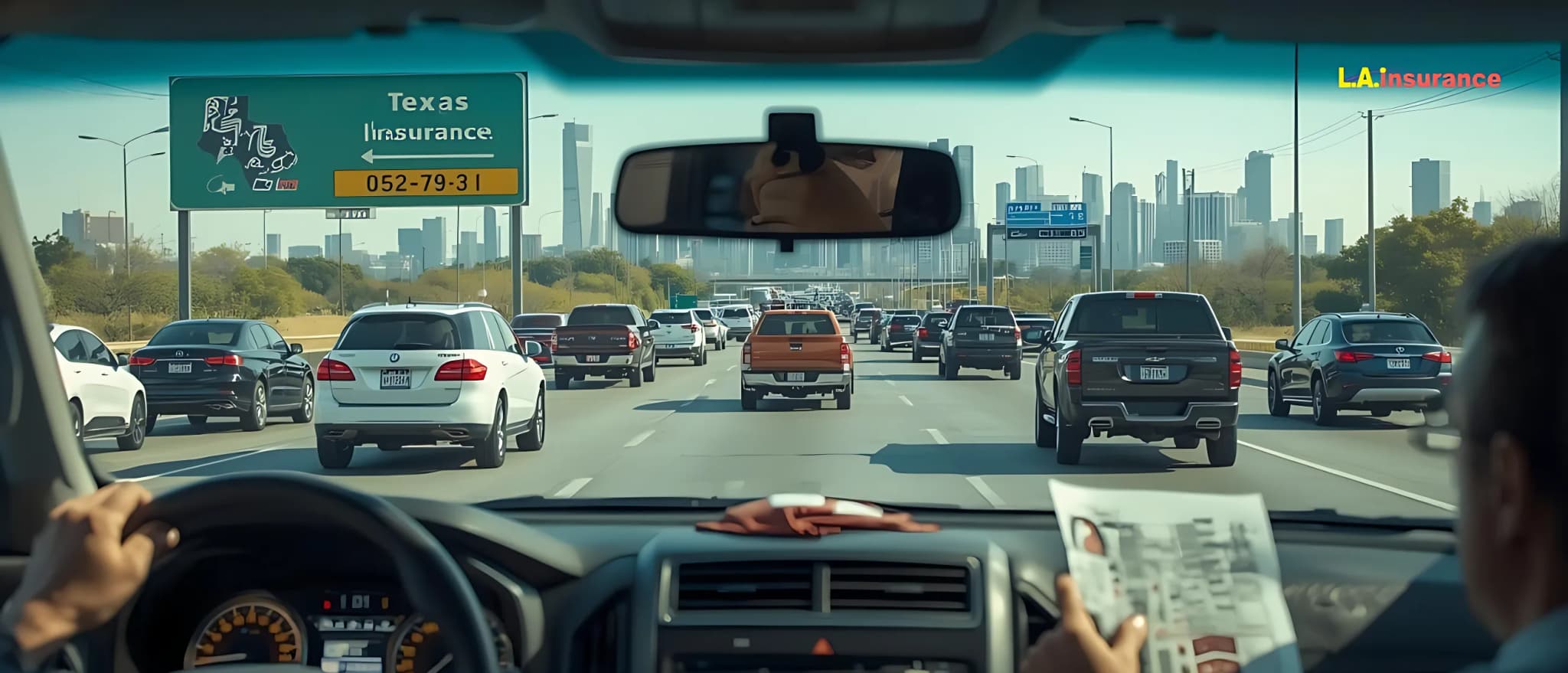
Texas also faces unique challenges like fast population growth, traffic congestion in major cities such as Houston and San Antonio, and a higher rate of uninsured drivers. All these factors create a risk-heavy environment that pushes insurance companies to raise rates to cover potential liability.
Here are the 11 major reasons why auto insurance in Texas costs more than in much of the country:
- High Accident Frequency
- Severe Weather and Natural Disasters
- High Repair Cost and Inflation
- High Medical Costs
- Large Urban Population and Traffic Congestion
- Uninsured or Underinsured Drivers
- High Theft & Vandalism Rates
- High Speed Limits & Riskier Driving Behaviors
- Increased Litigation & Legal Costs
- Credit Score and Personal Risk Factors
- Regulatory and Market Environment
Let’s explore each factor in detail so you can clearly understand why auto insurance rates in Texas are among the highest, and what you can do about it.
1. High Accident Frequency
Texas has one of the highest accident rates in the country, and that’s a big reason why your car insurance costs more here. In 2024, the state reported over 4,150 traffic fatalities, and 251,977 people were injured in crashes, according to the Texas Department of Transportation (TxDOT).
That means insurance companies must handle thousands of bodily injury liability and property damage claims every year. As a result, the overall risk of insuring drivers in Texas rises, and so do insurance premiums.
Even if you have a clean record, you still share the roads with others who don’t. Because of this high crash frequency, your auto insurance policy reflects the added risk built into driving in Texas. That’s why your insurance costs may stay elevated even if you drive safely every day.
2. Severe Weather and Natural Disasters
Texas doesn’t just get hot summers. It also faces some of the most severe and destructive weather in the nation. From 1980 to 2024, the state endured 190-billion-dollar weather and climate disasters, from hail and floods to hurricanes, wildfires, and tropical storms. That’s nearly twice as many as most other states.
Even recent years show the same trend. Hurricane Harvey caused about $125 billion in property damage in 2017, while the 2021 winter storm Uri crippled Texas and led to over 17,700 vehicle insurance claims, according to Insurance Journal.
Texas also averages 137 tornadoes each year, with a record 162 tornadoes in 2025. Combined with recurring “hail-alley” storms, floods, and wildfires, these events destroy thousands of vehicles and drive up comprehensive and collision claims statewide.
Because of this constant risk, car insurance premiums keep rising. In 2024, the average full-coverage auto insurance rate climbed about 15%, reaching $2,712, and projections suggest another 4 to 8% increase through 2026. For many drivers, that feels like paying a weather tax on every bill.
3. High Repair Cost and Inflation
Inflation has hit nearly every industry, and auto insurance is no exception. In Texas, the cost of vehicle repairs, parts, and labor has surged. According to Consumer Price Index data, average repair costs rose more than 41% from 2020 to 2026, and the average hourly labor rate is now close to $146.
This matters because more expensive repairs lead to higher comprehensive and collision claim payouts after accidents. Modern vehicles also come with advanced safety and technology features. While these systems improve protection, they are costly to repair when damaged.
As a result, insurers must pay more after crashes and pass much of that expense back to drivers through higher premiums. In Texas, where accidents and weather damage are common, these repair cost pressures make auto insurance more expensive for everyone.
Pro Tip: If you live in an urban area like Houston, one of the most expensive U.S. cities for auto repairs, you’ll face some of the highest rates in the state. Conversely, cities like Amarillo or Laredo rank among the cheapest for repairs nationwide, which helps keep premiums lower, according to a NetCredit study.
Quick Table: How repair costs and inflation drive Texas auto insurance rate
Metric | 2020 Data | 2025/2026 Data | % Change |
Repair Cost Index (CPI) | 310 | 440.18 | +41.9% |
Avg. Hourly Labor (TX) | $110 | $146 | 33% |
Avg. Texas Premium | $1,600 | $2,672 | +69% |
4. High Medical Costs
Another big reason your car insurance premiums are high in Texas is the rising cost of medical care after crashes. Forbes Advisor says Texas has the 5th-highest health care costs in the nation.
So, even a short hospital stay can be expensive. For instance, in Texas, a three-day hospital bill after a collision can total around $30,000, and more serious injuries like fractures or head trauma can push that much higher.
Because Texas is a fault state, the at-fault driver’s liability insurance pays these medical bills, along with future treatment and rehabilitation costs. However, many crashes lead to bodily injury claims that easily exceed $20,000 to $25,000 on average in settlement value.
As healthcare costs continue to rise nationwide, insurers must pay more for injury claims. As a result, these growing medical costs are passed on to you in the form of higher insurance costs.
5. Large Urban Population and Traffic Congestion
Texas has a massive and growing population, and most people live in urban areas where traffic is heavy and accidents are more common. About 85% of Texas’s residents, or more than 26 million people, live in urban areas like Houston, Dallas, San Antonio, and Austin. So, they’re always facing constant traffic exposure that increases the overall risk on the roads.
In addition, Texas drivers logged hundreds of billions of vehicle miles in 2024, meaning lots of cars on the road across the state. Increased traffic congestion raises the chance of crashes, which leads to more insurance claims.
Urban congestion isn’t just inconvenient. It’s costly. Traffic delays can cause more rear-end, sideswipe, and intersection crashes, which in turn pushes up both accident frequency and your car insurance premiums. As a result, living and driving in these busy urban areas contribute significantly to the high auto insurance rates you pay in Texas.
6. Uninsured or Underinsured Drivers
Texas has one of the highest rates of uninsured drivers in the nation and that directly affects your car insurance premiums. According to the Texas Department of Motor Vehicles, roughly 20% of Texas drivers are on the road without any insurance coverage. That means nearly one in five vehicles you pass may be completely uninsured.
When an uninsured driver causes an accident, their costs often shift to insured motorists like you. Because of this, insurance companies raise premiums to offset the financial risk of paying for damages caused by these drivers.
To protect yourself, most insurers recommend adding uninsured/underinsured motorist coverage to your auto insurance policy. It helps pay for your vehicle repairs, medical bills, and property damage if you’re hit by someone without proper liability insurance. In a state with so many uninsured drivers, this extra coverage is not just optional, it’s essential.
7. High Theft & Vandalism Rates
Vehicle theft and vandalism are serious problems in Texas, and they push your car insurance premiums higher. Texas consistently ranks near the top of the nation in the number of stolen vehicles each year. In fact, the state has had the second-highest number of motor vehicle thefts in the U.S., with Texas cities like Houston and Dallas-Fort Worth among the most targeted.
In addition, Texas sees tens of thousands of vehicle burglaries annually, where cars and trucks are broken into and property is stolen. According to state crime prevention authorities, over 65,000 vehicles are stolen and nearly 200,000 are burglarized every year.
Because theft and vandalism increase the frequency of comprehensive claims and replacement costs, insurance companies spread that added cost across all drivers. As a result, you and other Texans pay more in auto insurance costs to help cover the financial impact of these crimes.
8. High Speed Limits & Riskier Driving Behaviors
Texas stands out for its high speed limits, with parts of State Highway 130 posting the fastest maximum limit in the U.S. at 85 mph. While most highways allow 70 to 80 mph, these higher limits can increase both the chance and severity of accidents.
Also, risky driving behaviors like speeding, reckless driving, and DUI are key contributors to crashes in the state. In fact, speed is a leading factor in traffic crashes, and that drives up insurance costs for everyone.
In 2024, speeding contributed to nearly 160,000 vehicle crashes statewide, causing 1,467 fatalities and 5,921 serious injuries. That accounted for about 35% of all traffic deaths in the state, according to the Texas Department of Transportation.
Because insurers use driver behavior and accident severity to price your car insurance policy, these trends raise the expected cost per claim.
That’s why a driver with a DUI can face a rate increase of roughly 62%, and a single at-fault accident can raise premiums by as much as 70% in Texas. Even if you’re a safe driver, you’ll face higher rates due to the state's overall risky driving environment.
9. Increased Litigation & Legal Costs
Another factor driving car insurance premiums higher in Texas is the rising cost of litigation. The U.S. Chamber of Commerce estimates that the state’s tort system costs Texans $38 billion annually, adding about $4,594 per household in higher insurance premiums and consumer prices.
This legal climate contributes to “social inflation,” where even minor claims are settled for larger amounts to avoid the risk of “nuclear verdicts” (jury awards exceeding $10 million).
In 2024 alone, Texas private passenger auto insurers faced $21.4 billion in direct losses, much of it tied to escalating legal pressures. These costs act like a hidden “trial lawyer tax,” eventually raising the price every driver pays for coverage.
10. Credit Score and Personal Risk Factors
Your credit score can play a big role in how much you pay for car insurance in Texas. Most insurance companies are allowed to use a credit-based insurance score when setting rates, and they often see lower credit scores as a sign of higher risk. As a result, drivers with poorer credit tend to pay more in insurance premiums than those with excellent credit.
Based on our research, drivers with poor credit often pay 20% higher rates than those with excellent credit, even with identical driving records. Premiums can be more than twice as high for the lowest credit tiers.
Because insurers use credit history to help predict future accident claims, your credit score becomes part of the overall risk assessment. Consequently, improving your credit can meaningfully lower your auto insurance costs and help you qualify for better policy offers over time.
And some other personal factors are also crucial when it comes to getting affordable car insurance in Texas:
- Driving record
- Age and gender
- Vehicle type
- Marital status
- Location (Zip code)
- Annual mileage and usage
- Claim history
11. Regulatory and Market Environment
Texas operates under a file‑and‑use regulatory system for auto insurance. This means insurers can start using new rates as soon as they file them with the Texas Department of Insurance, without waiting for prior approval.
While regulators review filings for fairness and actuarial soundness, insurers still have the flexibility to adjust prices quickly based on market conditions. Because of this flexibility, you may see rate changes before a thorough review is completed.
In fact, Texas lawmakers are debating changes to require approval for larger rate adjustments, which could slow how fast prices change.
All of this affects your car insurance premiums. Rapid pricing adjustments, combined with high claim costs and market competition, can lead to unexpected insurance cost spikes. For drivers like you, understanding the regulatory environment helps explain why rates move the way they do in Texas.
Factors You Should Consider to Reduce Auto Insurance Cost in Texas
If you’re looking to lower your car insurance premiums in Texas, there are several state-specific factors to keep in mind. Your rate isn’t determined by the insurer alone. Your choices and circumstances matter too.
- Age and Experience: Young drivers under 25 and seniors over 65 often pay more because of higher accident risk. If possible, having a more experienced driver on your policy can help reduce costs.
- Location Matters: Urban areas like Houston, Dallas, San Antonio, and Austin have higher accident, theft, and vandalism rates. Living in less congested or lower-crime areas can translate to lower insurance premiums.
- Vehicle Type: Luxury SUVs, sports cars, and vehicles with high repair or theft rates cost more to insure. Choosing a safe, moderately priced car can save you money.
- Claims History: Frequent claims mark you as a high-risk driver. Avoid small claims that barely exceed your deductible, as they can raise future rates.
- Financial Responsibility: Maintaining a good credit score and overall financial stability signals lower risk to insurers and may reduce your auto insurance costs.
Key Tips to Lower Auto Insurance Cost in Texas
Here are some effective tips for Texans to lower car insurance rates:
- Drive Safely and Avoid Violations: Speeding and DUIs are costly in Texas. Keeping a clean driving record directly reduces your insurance risk.
- Choose Your Vehicle Wisely: Insure cars with lower repair costs and theft rates. Luxury SUVs or sports cars can spike your premiums.
- Live in Safer Areas if Possible: Insurers charge more in high-crime, high-traffic cities like Houston, Dallas, or San Antonio. Location matters.
- Increase Your Deductible Carefully: A higher deductible lowers your monthly insurance costs, but ensure it’s manageable if a claim arises.
- Bundle Policies: Combine auto with home or renters insurance to get discounts.
- Take Defensive Driving Courses: Programs recognized by the Texas Department of Insurance can earn rate reductions.
- Use Telematics Programs: Some insurers track safe driving behavior to offer discounts.
- Maintain Good Credit: A higher credit score signals lower risk and can lower your premium.
The Bottom Line
Car insurance in Texas is higher than the national average because the state combines frequent accidents, severe weather, high repair and medical costs, and risky driving behaviors. However, you can take control of your rates. By choosing an affordable insurance agency in Texas for your vehicle, maintaining a clean driving record, living in safer areas, and keeping your credit strong, you can meaningfully lower your auto insurance premiums and stay fully protected.
FAQs about Why Is Car Insurance So High in Texas?
How much is auto insurance in Texas per month?
In 2026, the average full-coverage policy costs about $2,672 per year, roughly $223 per month. Minimum coverage runs around $929 yearly, or about $77 monthly. Rates vary by location, driving record, vehicle type, and other personal factors.
Why is car insurance so expensive for young drivers?
Drivers under 25 face higher premiums because insurers see them as high-risk. Less experience combined with higher accident rates increases the likelihood of claims, which drives up your auto insurance cost in Texas.
Why do seniors pay more for auto insurance in Texas?
Older drivers, typically 65+, may have slower reaction times and higher injury risk in crashes. Insurers factor in these risks, along with medical costs, raising premiums for seniors even if they drive safely.
How can I lower my car insurance in Texas?
You can reduce rates by choosing a safer, moderately priced vehicle, maintaining a clean driving record, living in lower-traffic areas, bundling policies, increasing deductibles wisely, taking defensive driving courses, and keeping a strong credit score.
Is $200 a month expensive for car insurance?
$200/month is close to the Texas average for full coverage. Depending on your location, driving history, and vehicle, it may be reasonable or slightly below average for the state.
Why am I paying $400 a month for car insurance?
High premiums often reflect risky factors: recent accidents, DUIs, speeding violations, a luxury vehicle, or poor credit. Insurers use these risks to calculate rates, so $400/month can happen if your profile shows higher potential claims.
Is $500 a month a lot for insurance?
Yes, $500/month is above average for most Texas drivers. It usually indicates a combination of high-risk factors, such as young age, expensive car, prior claims, or location in a major metro area with frequent accidents and theft.
Editorial Disclaimer
The information provided on this blog is for general informational purposes only and does not constitute professional insurance, legal, or financial advice. Coverage and rates are subject to individual eligibility, underwriting guidelines, and state availability. For specific questions regarding your policy or to get an accurate quote, please contact a licensed L.A. Insurance agent directly. We're an independent agency and not a direct insurance carrier. For more information on how we operate and handle your data, please see our Terms and Conditions and Privacy Policy.
Tag :
Comercial Auto
Auto insurance
fast car insurance
cheap car insurance
car maintenance

What is Permanent Life Insurance?
Wouldn’t it be helpful to have a life insurance policy that provides lifelong coverage and can also build cash value over time? That’s where permanent life insurance comes in.

What is Term Life Insurance?
Term life insurance is a type of life insurance policy that provides coverage for a specific period, generally 10, 15, 20, 30, or even 40 years.

Types of Life Insurance and How They Differ?
If you’re shopping for life insurance, you’ve probably come across different types of life insurance, such as term life insurance, whole life insurance, and universal life insurance.

What Is Life Insurance?
If you’re thinking about getting a life insurance policy, it’s important to understand what it is and how it works. Simply put, life insurance is a type of financial protection that provides money to your chosen beneficiaries after your death.

Does Car Insurance Cover Rust Damage?
Rust can damage many parts of your car and may become more severe over time if left untreated.
Does Insurance Cover a Tree Falling on Your Car?
Whether your car is parked out in the open under or near a tree, or you’re driving when a tree suddenly falls on your car, either way, it can leave your car severely damaged or even wrecked.