Publish Date: 11-01-2026
Auto Insurance
Last Updated: 31-03-2026
What to Do If Your Car Is Flooded?
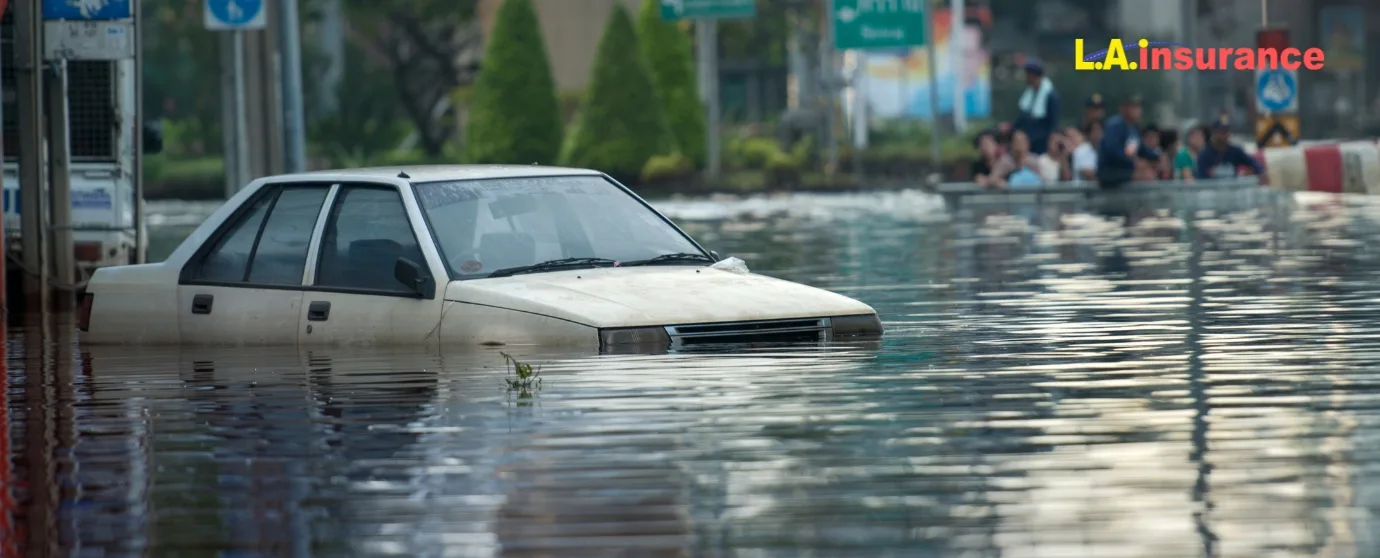
A flooded car can create serious problems, even if the water looks shallow. Water in the engine and electrical systems can lead to hidden damage, so quick action matters. The right steps help protect your vehicle and support your insurance claim. This guide explains what to do first, how to document the water damage, and when to contact your insurance company. It also shows what happens during inspection and when a car may be a total loss.
Immediate Actions to Take After Your Car Is Flooded
A flooded vehicle needs quick attention because the water can damage the engine, electrical systems, and interior. A few simple steps can help prevent further water damage and support your insurance claim. Start with safety, then focus on protecting the car until an inspection is done.
1. Stay Safe and Avoid the Floodwater
Floodwater can hide debris, chemicals, and sharp objects. Stay on higher ground until the water settles. Avoid touching standing water around your flooded vehicle because it may harm electrical components or create safety risks. Make sure the area is safe before you get close to the car.
2. Don't Attempt to Start the Engine
Do not turn the key or power the car. Water in the engine, engine oil, or fuel system can cause serious damage. Starting a flooded vehicle may lead to hydrolock and turn a repairable car into a total loss. Keep the engine off until a professional completes an inspection.
Here's what happens when you start a flooded car engine:
- Hydrolock risks
- Electrical damage
- Fuel air imbalance
- Corrosion
- Starter and battery strain
Assess the Water Level
Check how high the water reached on the vehicle. Look at the tires, cabin, and dashboard area for visible signs of water damage. This helps you understand the potential damage to electrical systems, transmission fluid, or interior components. Your insurance agent may also ask for this information when you start your insurance claim.
Document the Damage for Insurance Purposes
Good documentation helps your insurance company understand what happened and how much flood damage your vehicle has. Clear records also support your insurance claim and speed up the inspection process. So, make sure to capture everything before moving the car or drying anything inside.
1. Take Photos and Videos
Take wide and close photos of the flooded vehicle. Show the waterline, interior damage, and any debris around the car. Record short videos so the insurance company can see how the water affected the engine, electrical components, and seats.
2. Record the Date, Time, and Location
Write down when and where the flooding happened. Note the street name, parking spot, or area where the water rose. This information helps your insurer confirm the event and match it with local weather or flood reports.
Learn More: Does Car Insurance Cover Flood Damage?
Contact Your Insurance Company
Once you document the flood damage, contact your insurance company as soon as possible. Early reporting helps start the insurance claim and puts your vehicle in line for inspection. Share only the facts and keep your notes close, since the insurer may ask about water levels, location, and the condition of the vehicle.
1. Report the Damage to Your Insurer
Tell your insurer that your car was flooded and provide your policy number. Explain where the vehicle was parked, how high the water reached, and whether water entered the engine or interior. Send your photos and videos so the insurance agent can review the damage quickly.
2. Follow Your Insurer’s Instructions
Your insurer will guide you through the next steps. They may assign a claim number, schedule an inspection, or arrange towing if the vehicle is unsafe. Follow their directions carefully because each step helps determine potential damage and what your policy will cover.
Always make sure you have the right coverage to protect your vehicle from floods. If you’re living in any flood-prone area, try to carry at least comprehensive auto insurance or a full coverage auto insurance policy. Find your affordable full coverage auto insurance right here at the lowest rate.
Learn More: Does Full Coverage Car Insurance Cover Flood Damage?
Get Your Vehicle Inspected
Your car should be inspected before anyone attempts to start or move it. Floodwater can affect the engine, electrical systems, and transmission fluid in ways that are not visible from the outside. An inspection helps determine the extent of the flood damage and whether the vehicle is safe to repair or should be considered a total loss.
1. Don't Drive the Car
Do not drive the vehicle, even if it looks normal after the water recedes. Water in the engine or electrical components can cause serious problems once the car is in motion. Driving a flooded vehicle can turn minor water damage into costly repairs.
2. Arrange for an Inspection
Work with your insurance company to schedule an inspection as soon as possible. An adjuster or mechanic will check for water in the engine, fuel system, and interior. They will also test electrical systems and other critical parts to see if the car is repairable.
What Happens After Your Vehicle Is Inspected?
After inspection, your insurance company decides how bad the flood damage is and what your policy will cover. They look at repair costs, safety risks, and your car’s market value. From there, the vehicle is usually labeled as either repairable or a total loss.
1. Repair or Total Loss?
If repairs cost less than the car’s value, the insurer may approve repairs. A repair shop will replace damaged parts, dry the interior, and address electrical or mechanical issues. If water reached major systems, such as the engine, transmission, or key electrical systems, repairs may be too expensive.
When the estimated repair cost is close to or higher than the car’s actual cash value, the insurer will likely declare it a total loss. This usually happens when water reaches the dashboard, engine, or critical electrical systems. In that case, repairing the vehicle is not considered safe or cost-effective.
2. Salvage and Payout Process
If your car is a total loss, the insurance company will usually pay you its actual cash value, minus your deductible. The vehicle may receive a salvage title and be sold at auction or sent to a dismantler. You normally do not keep the car unless you choose a buyback option, which reduces your payout.
If the car is repairable, your insurer will explain what is covered and what you owe. The claim payment will help cover approved repairs at a shop, subject to your deductible and policy limits. In both cases, the goal is to resolve the flood damage in a way that is safe and financially fair under your auto policy.
Can You Save a Flooded Car?
Some flooded vehicles can be repaired, but many cannot. The outcome depends on how high the water reached, how long the car stayed submerged, and whether water entered the engine or electrical systems. A professional inspection is the safest way to decide if the vehicle can be restored without long-term problems.
Assessing Whether the Car Is Salvageable
A car may be salvageable if water stayed below the seats and did not reach the engine or major electrical components. Technicians check the engine oil, transmission fluid, and fuel system for signs of water. They also look for corrosion and damage to safety systems. If water reached the dashboard, engine bay, or control modules, the repairs may cost more than the vehicle’s value.
Mold and Electrical Issues
Mold grows quickly inside a flooded vehicle, especially in carpets, seat foam, and insulation. Even after drying, mold can return and cause odors or health concerns. Electrical issues are another major risk. Water can damage wiring, sensors, and control units, leading to unpredictable problems. These issues often make the vehicle unsafe or too costly to repair.
Preventive Measures for Future Flood Damage
A few simple habits can help protect your car from water damage during storms. Flooding can happen quickly, and even shallow water can harm the engine or electrical systems. Taking precautions before severe weather arrives reduces the chances of costly repairs or a total loss.
Avoid Driving Through Standing Water
Do not drive through pools of water on roads or parking areas. Standing water can hide deep holes, debris, or stalled vehicles. Even a small amount of water can enter the engine or damage electrical components. Turning around keeps you and your vehicle safe.
Parking in Higher Ground
Move your car to higher ground when heavy rain or flood warnings are issued. Avoid low areas, underground garages, or spots near drains that fill quickly. Parking on elevated ground lowers the risk of water entering the cabin, engine, or fuel system.
Frequently Asked Questions (FAQs)
What to do if the engine is flooded with gas?
A gas-flooded engine is different from a water-flooded engine. If too much fuel enters the cylinders, the engine may not start. Let the car sit to allow the fuel to evaporate, or have a technician inspect it. Do not pump the gas pedal repeatedly, since this can make the flooding worse.
If my car were flooded, is it totaled?
Your car may be totaled if water reached the engine, dashboard, or electrical systems. Insurers compare repair costs to the vehicle’s value. If repairs are too expensive or unsafe, the car is declared a total loss, and you receive a payout based on its market value.
What to do if the engine flooded with water?
Do not try to start the car. Water in the engine can cause hydrolock and severe internal damage. Call your insurance company and arrange for a professional inspection. A mechanic will check the engine oil, fuel system, and electrical components to see if repairs are possible.
My car got flooded, but it still runs. Should I drive it?
No. A running car can still have water inside the engine, electrical systems, or transmission fluid. Hidden damage can cause the vehicle to fail while driving. Have the car inspected before operating it, even if it seems normal.
What to do if your car is flooded and won't start?
Leave the car off. Do not keep trying to start it. Multiple attempts can worsen the damage. Document the water level, contact your insurer, and arrange for an inspection so a technician can find the cause and check for electrical or engine damage.
Is flood damage car repairable?
Some flood-damaged cars are repairable. Vehicles with water damage limited to the interior or lower areas may be saved. Cars exposed to salt water, deep flooding, or electrical damage are often not repairable. An inspection helps determine which category your car falls into.
How long will a flooded car last?
A repaired car may last for years if the water didn’t reach major systems. However, long-term problems may appear if water affects wiring, sensors, or hidden electrical components. Even after repairs, corrosion and moisture can lead to future issues.
Is a car ruined if it goes underwater?
Most cars that go fully underwater are considered ruined. Water reaches the engine, transmission, safety modules, and electrical systems. These repairs are often unsafe or too expensive, surpassing the car’s actual cash value. That’s why insurers usually declare these vehicles total losses.
Editorial Disclaimer
The information provided on this blog is for general informational purposes only and does not constitute professional insurance, legal, or financial advice. Coverage and rates are subject to individual eligibility, underwriting guidelines, and state availability. For specific questions regarding your policy or to get an accurate quote, please contact a licensed L.A. Insurance agent directly. We're an independent agency and not a direct insurance carrier. For more information on how we operate and handle your data, please see our Terms and Conditions and Privacy Policy.
Tag :
Auto insurance
cheap car insurance
fast car insurance

What is Permanent Life Insurance?
Wouldn’t it be helpful to have a life insurance policy that provides lifelong coverage and can also build cash value over time? That’s where permanent life insurance comes in.

What is Term Life Insurance?
Term life insurance is a type of life insurance policy that provides coverage for a specific period, generally 10, 15, 20, 30, or even 40 years.

Types of Life Insurance and How They Differ?
If you’re shopping for life insurance, you’ve probably come across different types of life insurance, such as term life insurance, whole life insurance, and universal life insurance.

What Is Life Insurance?
If you’re thinking about getting a life insurance policy, it’s important to understand what it is and how it works. Simply put, life insurance is a type of financial protection that provides money to your chosen beneficiaries after your death.

Does Car Insurance Cover Rust Damage?
Rust can damage many parts of your car and may become more severe over time if left untreated.
Does Insurance Cover a Tree Falling on Your Car?
Whether your car is parked out in the open under or near a tree, or you’re driving when a tree suddenly falls on your car, either way, it can leave your car severely damaged or even wrecked.