Publish Date: 22-12-2025
Auto Insurance
Last Updated: 31-03-2026
Does Full Coverage Car Insurance Cover Flood Damage?
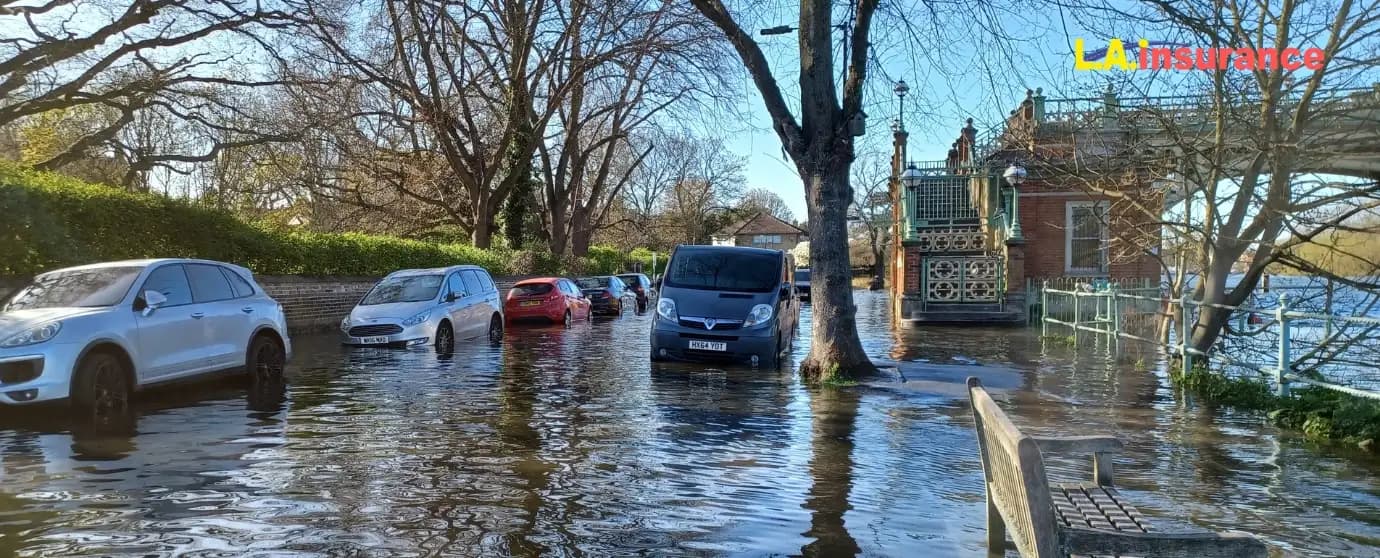
Yes, full coverage car insurance covers flood damage. It protects your car through comprehensive coverage (part of full coverage), which handles most water and storm-related losses. If you carry comprehensive or full coverage, your insurer will help repair or replace your vehicle when rising water, heavy rain, or a sudden flood damages it. It’s one of the few coverages that steps in when a natural disaster affects your car.
What Full Coverage Really Means?
Full coverage car insurance is a mix of protections that go beyond the state minimum. It usually includes:
This matters for flood damage because only the comprehensive part helps when water damages your car. So even though people call it “full coverage,” the real protection in a storm comes from comprehensive coverage inside that bundle.
Need affordable full coverage auto insurance right away? Start your auto quote or give us a call at (800) 893-9393.
What Part of Full Coverage Pays for Flood Damage?
As we mentioned earlier, comprehensive car insurance is a part of full coverage that pays for flood damage. It’s designed to handle non-collision events like rising water, heavy rain, storm surge, or a sudden natural disaster. Collision won’t apply here, and liability only covers damage you cause to others. So, when floodwater affects your car, comprehensive coverage is the protection that steps in.
Please note that comprehensive auto insurance coverage isn’t limited to flood damage. It also covers theft, vandalism, animal collisions, and other natural disasters. For example, if your car is damaged by fire, a hurricane, water from heavy rain or flooding, or even hailstorms, you’ll generally be protected under a comprehensive policy.
Common Flood Damage Scenarios and Full Coverage Car Insurance
Full coverage car insurance, particularly through comprehensive coverage, provides vital protection against flood damage. However, the extent of coverage depends on the type and severity of the flood.
Here are some common flood scenarios and how full coverage applies:
- Rising water during heavy rain or flash flooding. If floodwaters rise rapidly and damage your car, comprehensive coverage typically helps repair or replace your vehicle. This includes water damage caused by storm surges or flooding from heavy rainfall. Learn more: Does car insurance cover water damage from rain or flood?
- Submersion due to unexpected flooding. If your car is fully submerged in floodwaters, it’s usually considered a total loss under comprehensive coverage. This is a typical situation where your insurer will step in to help.
- Flooding from natural disasters (like hurricanes). Flood damage caused by hurricanes or storm surges is covered by comprehensive insurance, as long as it’s a direct result of the natural disaster. Learn more: Does car insurance cover hurricane damage?
What Types of Flood Damage Are Covered Under Full Coverage?
Full coverage car insurance, specifically comprehensive coverage, helps protect your vehicle from a wide range of flood-related damages. Here’s a breakdown of the most common types of flood damage to cars that are typically covered under your policy:
Engine and Mechanical Failure from Water Intrusion
Water intrusion can cause significant damage to a car’s engine and mechanical components. When floodwater enters the engine, it can lead to hydrolock, which occurs when water fills the cylinders, preventing the engine from turning over. This type of damage is usually considered a total loss since repairs are costly and the engine is often irreparable. Comprehensive coverage/Full coverage will help cover the cost of replacing the engine or, in some cases, the entire vehicle if the damage is severe.
Electrical System Damage
Floodwater can easily damage the electrical components of your car, including wiring, sensors, and control modules. Short-circuiting and corrosion from prolonged exposure to moisture are common problems. Since today’s vehicles rely heavily on electronics, including safety features like airbags, electrical system damage can be costly to repair. Full coverage, through comprehensive insurance, will help pay for repairs or replacement of any damaged parts, ensuring your car’s electrical system works properly after a flood.
Mold or Interior Damage After a Flood
If your car is exposed to floodwaters, the interior can suffer considerable damage. Water-soaked seats, carpets, and upholstery are breeding grounds for mold and mildew, which can lead to long-term odor and health issues. Full coverage helps pay for the cleanup and repair of the interior, including replacing any parts that cannot be salvaged. Mold damage can become a significant issue if not addressed quickly, so it’s important to act fast if your car is exposed to floodwaters.
Total Loss Due to Full Submersion
When a vehicle is fully submerged in floodwaters, it’s often considered a total loss. This is one of the most common flood-related claims. In most cases, the cost of repairing a submerged vehicle exceeds its value, so insurance companies will declare it totaled. Comprehensive coverage will cover the cost of the vehicle’s replacement, minus your deductible. The vehicle’s salvage value (if any) may be deducted from the payout, but you’ll typically receive compensation for the car’s pre-flood value.
Damage from Debris Carried by Floodwater
Floods often carry large debris like tree branches, rocks, and other objects that can slam into vehicles. Whether it’s a large tree branch that falls on your roof or debris that scratches your car’s exterior, these types of damage are also covered under comprehensive coverage. The force of the water can cause debris to hit your car, leading to dents, scratches, and even broken windows. Full coverage will help pay for the repair of these damages, ensuring your car is safe and functional again.
What Does Full Coverage Not Cover During a Flood?
Full coverage helps in most flood situations, but it does not protect you from every type of water damage. Insurers still look at how the damage happened, when it happened, and whether the vehicle was already at risk before the flood. These gaps matter because they can lead to a denied claim even if you have comprehensive coverage.
Here are the most common situations where full coverage may not apply:
Scenario | Why It Is Not Covered |
Intentional damage | Insurance does not cover damage that was done on purpose or staged to create a claim. |
Flood damage that happened before buying full coverage | If the water damage existed before your policy started, insurers will not pay for it. |
Wear and tear or pre-existing water issues | Slow leaks, corrosion, and past moisture problems are considered maintenance issues, not covered losses. |
Engine hydrolock from driving through deep water | If you drive through standing water and the engine locks up, insurers may treat it as avoidable damage. Final decisions depend on the details of your claim. |
Comprehensive coverage is built to protect you from sudden and unexpected flood events. It does not replace routine maintenance or cover damage caused by avoidable decisions like driving into deep water during a flood warning.
If you are unsure about what your auto policy protects, review your coverage limits or speak to an agent from your insurer before storm season starts. This way, you can prevent any surprising out-of-pocket expenses after a flood or storm.
Do You Need Flood Coverage If You Already Have Full Coverage?
Full coverage already protects your car from most flood and water damage through comprehensive coverage. You don’t need a separate flood policy for your vehicle. That type of protection is designed for homes, renters, not cars. What you do need is enough comprehensive coverage to match your car’s value and the flood risk in your area. If you live near rivers, lakes, or coastal zones, consider reviewing your limits to make sure your auto policy gives you the protection you expect during heavy storms.
Learn More: Does Car Insurance Cover Flood Damage?
How to File a Flood Damage Claim Under Full Coverage?
Filing a flood damage claim under full coverage is quite straightforward, but acting quickly is important. Follow these steps to ensure a smooth claim process:
- Document the damage: Take photos and videos of the flood damage to your car. Include any visible water levels and debris.
- Avoid starting the car: If it’s flooded, don’t attempt to start the engine. This could cause further damage.
- Contact your insurer: Call your provider immediately to start the claim process.
- Submit necessary documents: Provide photos, your policy number, and details of the flood event.
- Vehicle inspection: An adjuster may inspect your car to assess the damage.
How Insurers Decide If a Flood-Damaged Car Is Totaled?
Insurers look closely at the depth of the water, the condition of the engine, and the cost to repair your vehicle. A car is usually totaled when repairs cost more than its value. Flooded engines, damaged electrical systems, and soaked interiors often push repair costs higher than most drivers expect.
Furthermore, many insurers follow guidance from groups like CARFAX and the NICB. Both warn that full submersion can spread water through wiring, sensors, and safety modules. When these parts fail, the repairs become expensive, and the car is often declared a total loss. If the adjuster sees widespread corrosion or water inside the engine or cabin, they may total the vehicle to keep you safe on the road.
Your insurer will then compare the repair estimate to your car’s actual cash value. If fixing the damage is not worth it, they will classify the vehicle as a total loss and move forward with the payout.
What to Do Immediately After Your Car Gets Flooded?
A flooded car needs careful steps because the wrong move can cause more damage. The NHTSA warns that even a few inches of water can harm a car’s electrical system, so acting quickly and safely matters.
Here is what to do first:
- Stay safe and avoid the water. Floodwater can carry debris, chemicals, and hidden hazards. Wait until the area is safe before going near your car.
- Do not try to start the engine. CARFAX notes that starting a flooded engine can cause severe damage and may lead to hydrolock. Leave the car as it is.
- Document everything. Take clear photos and videos of water levels, the interior, the exterior, and any visible damage. This helps your insurance claim.
- Move the car only if it is safe and possible. If the water recedes and the car is accessible, push it to a dry area. Avoid turning the key.
- Call your insurer. Start the claim process right away. Provide details about the storm, the location, and when the flooding happened.
- Avoid DIY repairs. The NICB notes that flood damage can be more serious than it looks. Let a professional inspect the engine, electrical system, and interior.
How To Protect Your Car from Flood Damage
Flood prevention starts with simple habits. The Federal Emergency Management Agency (FEMA) and the National Oceanic and Atmospheric Administration (NOAA) both warn that localized flooding can happen anywhere, even outside high-risk zones.
In fact, according to CARFAX, 45,000 cars have been damaged from June to August 2025 by tropical storms (via Consumer Reports). That’s why, to be on the safer side, you can take steps to save your car from major flood damage.
Try these tips to reduce your risk:
- Stay alert to weather updates. Sign up for local flood warnings. NOAA alerts can help you plan before heavy rain hits.
- Avoid parking in low areas. Move your car to higher ground when storms are predicted. Parking lots, underpasses, and streets with poor drainage flood quickly.
- Keep your windows and sunroof sealed. Water intrusion often starts with small leaks. Make sure everything closes tightly.
- Do not drive through standing water. NHTSA warns that just twelve inches of water can sweep a small car away. Even shallow water can damage your engine and electrical system.
- Garage your car during storms when possible. A closed garage or higher driveway area reduces the chance of water reaching your vehicle.
- Review your comprehensive coverage each year. If you live near rivers, lakes, or flood-prone zones, make sure your limits match your risk.
Full Coverage Car Insurance and Flood Damage FAQs
Will full coverage pay if I drove into floodwater?
In many cases, comprehensive coverage will still cover flood damage even if the car was moving when it entered water. Major insurers say comprehensive can pay when a car is damaged driving through flooded streets or large puddles, subject to your deductible and policy terms. However, driving into clearly unsafe, deep, or closed roads can be treated as negligence. Government safety campaigns warn drivers never to enter floodwater because just 12 inches of rushing water can carry away most cars.
What if a storm totals my car, but I still owe money?
If a storm or flood totals your car, comprehensive coverage pays its actual cash value (ACV) minus your deductible. If your loan balance is higher than the payout, you’re responsible for the difference. But if you have GAP insurance, it’ll cover the shortfall between what you owe and what insurance pays. Many lenders recommend it for newer cars or long loans. Without GAP, you could end up paying for a car you no longer have.
Is a flooded engine always covered?
Yes, comprehensive insurance will typically cover a flooded engine. However, claims may be denied if the damage stems from poor maintenance, pre-existing issues, or if you drove through deep water despite warnings, which is considered avoidable. Because even a few inches of floodwater can cause catastrophic engine damage. Insurers are more likely to pay if the flooding followed a covered storm and you did not attempt to restart the engine.
Does full coverage cover hurricane-related flooding?
Yes. If your full coverage policy includes comprehensive coverage, it usually protects against hurricane-related flooding.
At what level of water is a car considered flooded and ruined?
There is no single official water line where every car is automatically “ruined,” but safety agencies give useful guidance. The National Weather Service’s Turn Around Don’t Drown campaign notes: 6 inches of fast-moving water can reach the bottom of most cars and cause loss of control. 12 inches of rushing water can carry away many vehicles. 2 feet of water can carry away SUVs and trucks.
Many cars are considered flood-damaged or even a total loss when water reaches the floorboards, dashboard, or engine area. Once water gets into the electrical system, airbags, or engine, repairs often cost more than the car is worth. Some sources advise avoiding water more than about 4 inches deep to prevent engine and mechanical damage.
Will full coverage insurance pay if my car is totaled in a flood?
Yes. If comprehensive is included in your full coverage, it typically pays when flood damage totals your car. Insurers declare a total loss when repairs exceed the car’s value, and comprehensive insurance then covers its actual cash value minus your deductible. The payout is based on the car’s pre-flood market value, and if you have a loan, the check may go to the lender first. Salvage value and your deductible also affect the final amount.
Will my rates increase after a flood claim?
They can. There is no universal rule that says comprehensive claims never affect your rates. Some insurers may raise premiums after a comprehensive claim, including those for weather and flood damage, depending on your state, claim history, and company rules. Generally, comprehensive claims tend to raise rates less than at-fault collision or liability claims. However, multiple claims in a short time frame can still signal a higher risk to insurers.
Does Michigan auto insurance require flood coverage?
No. Michigan’s required no-fault auto insurance does not include flood coverage. By law, drivers must carry Personal Injury Protection (PIP), Property Protection Insurance (PPI), and residual liability coverage, none of which pays for water or flood damage to your own car. Flood and other non-collision losses are only covered if you add optional comprehensive coverage to your policy.
Can I get full coverage for an older car to protect against floods?
Yes, you can usually buy full coverage, including comprehensive, for an older car if your insurer offers it. However, the real question is whether it makes financial sense. Many drivers with paid-off, low-value vehicles drop comprehensive and collision to save money, sometimes over $1,000 a year. But if your old car still has a good market value, you should get full coverage.
Editorial Disclaimer
The information provided on this blog is for general informational purposes only and does not constitute professional insurance, legal, or financial advice. Coverage and rates are subject to individual eligibility, underwriting guidelines, and state availability. For specific questions regarding your policy or to get an accurate quote, please contact a licensed L.A. Insurance agent directly. We're an independent agency and not a direct insurance carrier. For more information on how we operate and handle your data, please see our Terms and Conditions and Privacy Policy.
Tag :
Auto insurance
cheap car insurance
fast car insurance

What is Term Life Insurance?
Term life insurance is a type of life insurance policy that provides coverage for a specific period, generally 10, 15, 20, 30, or even 40 years.

Types of Life Insurance and How They Differ?
If you’re shopping for life insurance, you’ve probably come across different types of life insurance, such as term life insurance, whole life insurance, and universal life insurance.

What Is Life Insurance?
If you’re thinking about getting a life insurance policy, it’s important to understand what it is and how it works. Simply put, life insurance is a type of financial protection that provides money to your chosen beneficiaries after your death.

Does Car Insurance Cover Rust Damage?
Rust can damage many parts of your car and may become more severe over time if left untreated.
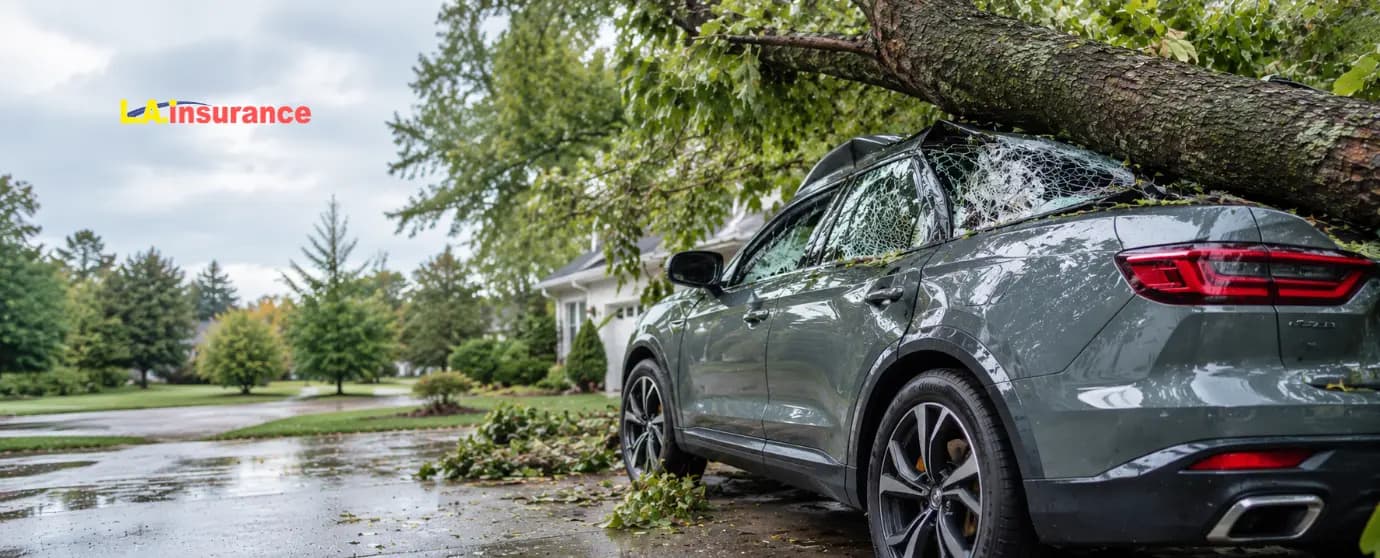
Does Insurance Cover a Tree Falling on Your Car?
Whether your car is parked out in the open under or near a tree, or you’re driving when a tree suddenly falls on your car, either way, it can leave your car severely damaged or even wrecked.
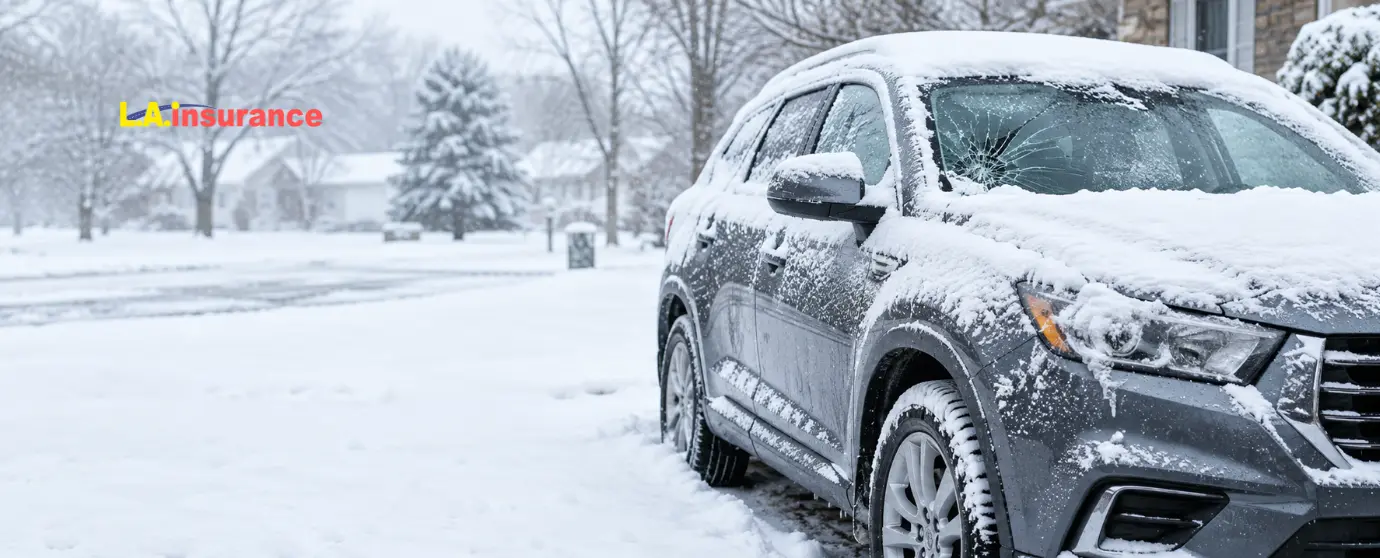
Does Car Insurance Cover Snow Damage?
Your car is more susceptible to damage in winter when it snows. As long as it’s out in the open, it can get damaged by snow at any moment.