
Publish Date: 08-10-2024
Auto Insurance
Last Updated: 31-03-2026
Can I Get Insurance for Someone Who Borrows My Car?
You hand over your keys. It’s your brother, your best friend, maybe a neighbor. They needed the car just for a quick errand. You said yes. Then the call comes. There’s been an accident. Your heart sinks. Not just from worry, but from a question clawing at your peace: Will my insurance cover this?
Many car owners find themselves in this gray area. Insurance policies aren’t always written in plain English, and figuring out if you’re protected when someone else drives your car can feel like decoding a secret. If you’re in the same situation, this article is for you.
Can I Get Insurance for Someone Who Borrows My Car?
The short answer is yes. In most cases, your car insurance can extend coverage when someone borrows your car with your permission. This happens because auto insurance typically follows the vehicle, not the driver. However, coverage depends on your policy terms and the situation.
Most auto insurance policies provide coverage for permissive drivers, meaning people you allow to drive your car. According to the Insurance Information Institute (III), a driver who has your consent is usually covered under your policy. If you carry liability insurance, it will generally pay for damages the borrower causes to others.
That said, there are important exceptions to keep in mind:
- Some insurers require household members or regular drivers to be listed on the policy for coverage to apply.
- If someone uses your car frequently, the insurance company may expect them to be added as a named driver.
- If damages exceed your coverage limits, you may be responsible for the remaining costs, and the borrower’s own insurance may provide secondary coverage.
To better understand how car insurance applies when someone other than the owner drives the vehicle, let’s explore the key factors that determine coverage.
Factors That Decide If Your Car Insurance Will Cover Other Drivers
In most cases, auto insurance follows the car, not the driver. However, who is driving can still matter in certain situations. Coverage may be affected if the driver is excluded from your policy, not disclosed when required, unlicensed, or a household member who should have been listed.
Because of this, several factors can influence whether your insurance will cover another driver. These include the type of coverage you have, the driver’s relationship to you, and the specific terms of your policy. Let’s break down the key points that determine how coverage works when someone else drives your car.
Permissive Vs. Non Permissive Use
A lot of policyholders ask when someone else can drive their car. Well, car insurance depends on whether the person borrowing your car has your permission. This is known as permissive use. So, if you have given your permission to someone to drive your car, they are typically covered under your policy.
On the other hand, if someone takes your car without your permission, which is known as non-permissive use, your insurance may not provide liability coverage for damages they cause. In such cases, the driver’s own insurance, if they have one, may be responsible. If the unauthorized driver damages your vehicle, you may still be able to file a claim under your collision coverage, if you carry it. Legal action might also be an option if necessary.
Named Vs. Unnamed Drivers
Another important factor is whether the driver is specifically named on your policy. Some insurance companies require household members or regular drivers to be listed on the policy for coverage to apply.
If someone regularly uses your car, such as a roommate or family member, and is not listed when required, the insurer may limit or deny coverage after an accident. For example, if an unlisted household driver crashes your car, your insurance company may refuse the claim depending on your policy terms.
Type of Insurance Coverage
The type of car insurance coverage you have is also a key factor here. For instance, while liability insurance may cover another driver in case of an accident, collision and comprehensive coverage generally follow the vehicle and may still apply if someone else drives your car with your permission. However, coverage can be affected if the driver is excluded, unlicensed, or does not meet your policy’s requirements. So, you should review your policy to understand the extent of your coverage.
Regular Use of the Car
If the person borrowing your car uses it more frequently, insurance companies might want them to be added as a listed driver. In case you fail to add them, it may result in limited coverage, and rejected claims. However, if the person borrows your car only occasionally, the permissive use rule will usually apply without complications.
Insurance Limits and Exclusions
Even if your policy does cover the person borrowing your car, you need to be aware of any coverage limits. If the damages from an accident cost a very large amount that exceeds those limits, you may have to pay the extra money out of your pocket. Also, your policy may have exclusions, such as not covering certain high-risk drivers.
State Laws and Insurance Company
Both the specific state laws and insurers decide when is and isn’t your auto insurance will cover other drivers. Different state have their own rules about car insurance and what’s required. In most cases, the car owner’s insurance acts as primary coverage, while the driver’s own insurance may serve as secondary coverage if limits are exceeded.
Besides, the specific company your car is insured with ultimately decides how they are going to cover you in this particular situation. Since it varies from insurer to insurer, you should discuss it with them and see how your auto insurance policy will work when someone else drives your car.
How Does Insurance Work When Someone Borrows Your Car?
As we stated earlier, when someone borrows your car, your car insurance policy commonly follows the vehicle, not the driver. However, how different types of auto insurance, such as liability, collision, comprehensive, or medical payment coverage, work can vary depending on your circumstances and who is at fault. Let’s give you an explanation regarding how each type of insurance works when someone else is behind the wheel.
Auto Liability Coverage
Liability auto insurance is mandatory in almost every state in America and undoubtedly this is the most vital coverage. If the person driving your car causes an accident, your liability coverage will pay for any property damage or injuries they cause to others.
In states with an at-fault insurance system, your policy will cover the cost of damages up to your policy limits. For example, If your friend accidentally hits another car, your liability insurance will handle the costs for the other driver’s vehicle repairs and medical bills.
However, if the damages exceed your policy limits, you could be held personally responsible for the additional costs. In some cases, the borrower’s car insurance policy may also get activated to cover the extra amount for reimbursement. In no-fault states, like Michigan, your insurance will still cover the cost, but the other driver’s own Personal Injury Protection (PIP) will cover their medical bills regardless of who is responsible for the accident.
Auto Collision Coverage
Auto collision insurance covers the costs of repairing or replacing your car if it’s damaged in an accident, regardless of who was at fault. If someone else is driving your car with your permission and they get into an accident, your collision coverage can help pay for the repairs to your vehicle.
For instance, if your siblings borrow your car and hit a pole, your collision insurance will step in to cover the repair costs for your car, up to your policy’s limit, after you pay the deductible.
Comprehensive Insurance Coverage
As you might already know, comprehensive car insurance covers non-collision related damage, like theft, vandalism, natural disasters, or hitting an animal. If someone else borrows your car and it gets damaged by one of these events, your comprehensive insurance may still apply since it protects the car itself, not the driver.
Suppose you allow your neighbor to drive your car, and while it’s parked, a tree branch falls on it during a storm. In this case, your comprehensive insurance will help pay for the damages, as long as you have this coverage in your policy.
Medical Payment Coverage
If someone drives your car and crashes it, causing injury, your medical payment coverage (AKA Med Pay) can help pay for medical expenses regardless of who is at fault. This coverage protects both drivers and passengers if they get hurt in the accident.
If a friend borrows your car, has an accident, and gets hurt, MedPay could cover their hospital expenses up to your policy's limit. However, keep in mind that this coverage varies by state and may not always apply when someone else drives your car.
What Happens If a Driver Is Not Listed on an Insurance Policy?
If a driver isn’t listed on your automobile insurance policy, coverage depends on whether they have your permission to use the vehicle and how often they drive it. If the driver is a friend or relative who occasionally borrows your car with your permission, your insurance may still cover them. However, in this case, it would be your responsibility to pay the deductible, and your auto insurance rates could increase. Find out how much auto insurance rates could go up after an accident.
However, if the driver lives with you or uses your car frequently (e.g., roommate, legal ward, spouse, or child), they need to be specifically listed on the policy. Regular drivers or household members who aren’t listed might not be covered, and if an accident occurs, the insurance company may deny the claim. This will leave you personally responsible for damages and legal costs.
Learn More: Can You Insure a Car Not in Your Name
What If the Other Drivers Get Traffic Violations?
You might also be wondering what happens if you let someone drive your car and he/she receive a traffic ticket. Well, the violation generally affects the driver, not the vehicle owner. However, as we have stated, if they cause an accident, your car insurance may be the primary coverage since insurance usually follows the car, not the driver.
Even if the driver drives your car without your consent and gets a traffic violation, the responsibility still falls on the driver. However, when it comes to insurance, in some cases, if they cause an accident, your insurance may not cover damages because they didn’t have authorized use. So, if you file a claim, you might need to prove the car was taken without your consent, possibly involving police reports.
Read More: Can You Get Auto Insurance with a Suspended License?
Situations When Your Car Insurance May Not Cover Other Drivers
If someone else driving your car, then there are situations where your insurance may not provide coverage. These scenarios can leave you personally liable for damages.
- Excluded Driver: If an excluded driver (a person specifically named in your policy as not covered) drives your vehicle, the insurer will not pay for any damage or injuries they cause. This exclusion commonly applies to high-risk drivers within the household.
- Driver Without Permission: If someone uses your car without your explicit permission and gets into an accident, coverage might be denied. This may happen if the insurance company can prove that the driver did not have your consent.
- Rideshare or Commercial Use: Your personal auto insurance doesn’t cover business use. This means personal auto insurance generally excludes coverage for accidents occurring while using your vehicle for rideshare services (like Uber) or other commercial purposes unless you have specific coverage for such use.
- Non-compliant with Policy Terms: If the person who is driving your car doesn’t meet certain requirements outlined in your policy, such as having a valid driver’s license, the insurer might not cover an accident.
What Happens If an Uninsured Driver Borrows Your Car and Gets into an Accident?
Well, the rule of thumb is that “insurance typically follows the vehicle, not the driver.” So even in this case, if an uninsured driver borrows your car and gets into an accident, your insurance policy will generally be the primary coverage used. This means your liability, collision, or comprehensive coverage may handle damages and injuries. However, if your coverage limits are exceeded, you could be personally responsible for any remaining costs, which can be financially devastating. In case the driver is particularly excluded from your policy or took the car without your consent, your insurance might not cover the accident. So, you need to understand these details before letting someone borrow your vehicle.
Learn More: What Happens If You Don't Have Car Insurance?
Is the Other Driver's Auto Insurance Involved?
When you allow someone else to drive your car and they get into an accident, several factors determine who pays for the damages. Generally, your car insurance kicks in as long as you give the driver permission to use your vehicle. This includes liability coverage for damage they cause to others and collision coverage for damage to your own vehicle.
If the damages exceed your policy limits, the driver’s own auto insurance, if they have it, may provide secondary or excess coverage to help cover the remaining costs.
If the driver was using the vehicle without your permission, a situation known as non-permissive use, your insurance will typically not cover the damages they cause, and the driver may be held personally responsible.
It's also important to understand certain situations that could void or limit your coverage. For instance, if you negligently entrust your vehicle to someone you know is unfit to drive, such as an intoxicated or unlicensed driver, your insurance company may deny the claim. In that case, the other driver’s own auto insurance, if available, may be the only coverage that applies.
Also Learn: Can a Car Have Two Auto Insurance Policies?
What If My Family Member or a Friend Borrow My Car and Crashes It?
If a family member or friend borrows your car and crashes it, your insurance usually covers the damages. Your policy’s liability coverage pays for any damage you cause to others. If your car is damaged, collision coverage will help with repairs, minus your deductibles. If the driver has their own insurance, it may also cover additional costs. However, if the driver is excluded from your policy, your insurance won’t cover the accident.
Here are some factors that may come into play in this scenario:
- Your insurance policy
- Other driver's insurance policy
- Type of Coverage
- Excluded drivers
- Consequence (Having a crash can lead to higher insurance premiums)
- You should review your policy or talk to your insurance provider to fully understand your coverage.
Should You Add All Household Members to Your Auto Insurance Policy?
It’s always a good idea to add all household members to your auto insurance policy. This makes sure everyone who might drive their car is covered in case of an accident. If an unlisted driver has an accident while driving your car without permission, your insurance won’t cover the damages.
Including all household members can also help avoid potential issues with claims. Besides, many insurance companies require you to disclose all licensed drivers in your household to accurately assess risk and provide appropriate coverage. If you’re a policyholder of L.A. Insurance and want to add your household members to your full coverage auto insurance plan, you can contact us and let us know the members you want to include in your policy. However, if you’re looking for the most affordable insurance agency that protects you and your car from every type of damage, reach out to one of our friendly agents to discuss! You can find an agent here.
Can I Get Insurance for Someone Who Borrows My Car: Final Takeaways
- Your auto insurance typically covers others driving your car with your permission as long as they are not excluded drivers.
- If someone borrows your car and causes an accident, coverage depends on the type of insurance you have (e.g., Liability, collision, comprehensive)
- Your insurance won’t cover you if a borrower is an excluded driver on your policy
- Your insurance covers you even if the borrower is an uninsured driver
- If your policy limit exceeds, the other driver’s insurance may come into effect
- If you rent your car to someone else, they may need their own insurance, or you may need a specific policy that allows rentals
- Consider adding all household members to your automobile insurance policy to make sure you’re protected after a crash
- Always inform your insurance company about anyone regularly driving your vehicle to avoid coverage gaps
Read Also: Can I Get Car Insurance with a Foreign Driver's License?
Frequently Asked Questions (FAQs)
Can My Financed Car Be Insured by Someone Else?
Yes, a financed car can be insured by someone else, but it depends on the circumstances. Typically, the insurance company requires an “insurable interest,” meaning the person insuring the car must have a financial stake in it. If the car is financed by someone else’s name, they may need to insure it themselves. Alternatively, they can add you to their policy as a named driver. Also, the finance company usually requires that they be listed on the insurance policy to protect their financial interest.
Whose Insurance Pays When You Borrow a Car?
When you borrow a car and get into an accident, the car owner’s insurance typically pays for the damages, not the driver’s insurance. This means that if you have permission to drive the car, the owner’s policy covers you through something called “permissive use.” However, if the damage exceeds the owner’s coverage limits, the driver’s insurance might cover the excess.
Can Someone Drive My Car If They Are Not on My Insurance in Michigan?
If you let someone drive your car in Michigan and they're not on your insurance, they might still be covered under "permissive use." This means your insurance could cover them if there's an accident. But this coverage might not apply in all situations, especially if the driver isn't listed on your policy. In those cases, it's best to add regular drivers to your policy for full coverage. Also, in Michigan, your insurance would usually cover damages caused by the driver to others. But if the damages exceed your coverage limits, you might be personally responsible for the excess due to Michigan's owner's liability law.
Will My Insurance Cover Me If I Drive Someone Else's Car in Texas?
If you drive someone else’s car in Texas, your insurance may cover you, depending on your policy and state regulations. Texas generally allows coverage for permissive drivers, meaning if the vehicle owner’s policy covers other drivers with permission, it should extend to you.
Can I Insure My Son's Car If He Doesn't Live with Me?
Generally, most insurance companies don’t allow you to insure your son’s car if he doesn't live with you. Auto insurance policies usually cover people in the same household. Still, if your son is temporarily living elsewhere, such as attending college, he might still qualify under your policy.
Am I Covered If I’m Using a Borrowed Car for Business?
If you use a borrowed car for business, the owner's personal auto insurance might not cover you. In fact, personal policies usually don't cover business use. To make sure you're covered, get commercial auto insurance or check if the business providing the car has coverage.
Editorial Disclaimer
The information provided on this blog is for general informational purposes only and does not constitute professional insurance, legal, or financial advice. Coverage and rates are subject to individual eligibility, underwriting guidelines, and state availability. For specific questions regarding your policy or to get an accurate quote, please contact a licensed L.A. Insurance agent directly. We're an independent agency and not a direct insurance carrier. For more information on how we operate and handle your data, please see our Terms and Conditions and Privacy Policy.
Tag :
cheap car insurance
Auto insurance
best auto insurance

What is Term Life Insurance?
Term life insurance is a type of life insurance policy that provides coverage for a specific period, generally 10, 15, 20, 30, or even 40 years.

Types of Life Insurance and How They Differ?
If you’re shopping for life insurance, you’ve probably come across different types of life insurance, such as term life insurance, whole life insurance, and universal life insurance.

What Is Life Insurance?
If you’re thinking about getting a life insurance policy, it’s important to understand what it is and how it works. Simply put, life insurance is a type of financial protection that provides money to your chosen beneficiaries after your death.

Does Car Insurance Cover Rust Damage?
Rust can damage many parts of your car and may become more severe over time if left untreated.
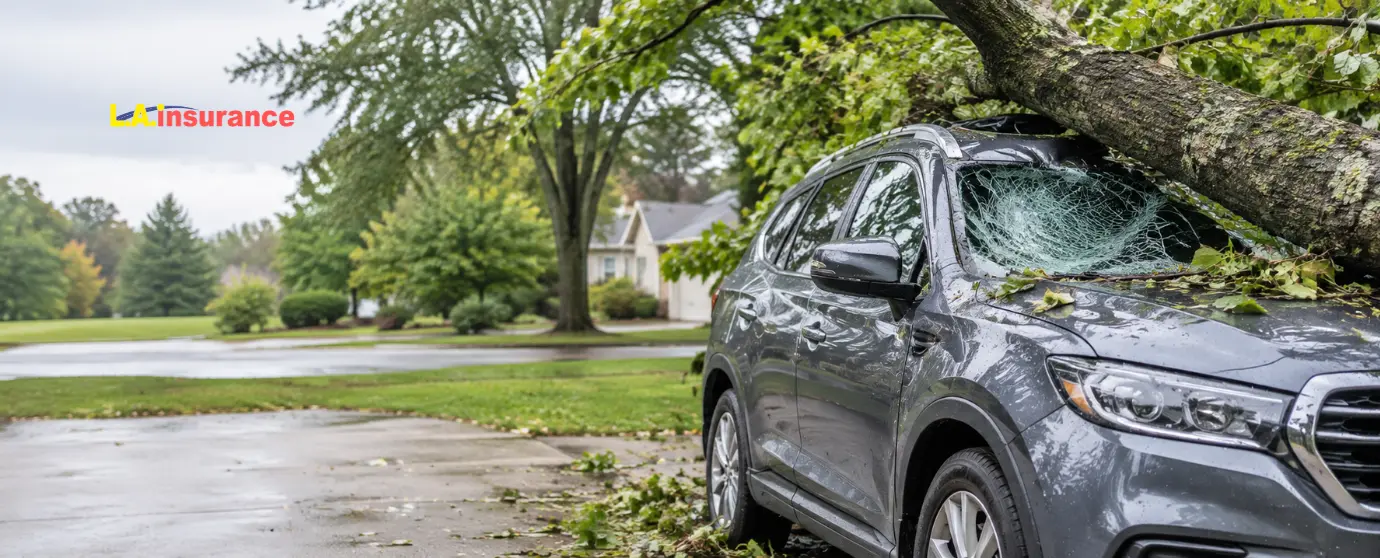
Does Insurance Cover a Tree Falling on Your Car?
Whether your car is parked out in the open under or near a tree, or you’re driving when a tree suddenly falls on your car, either way, it can leave your car severely damaged or even wrecked.
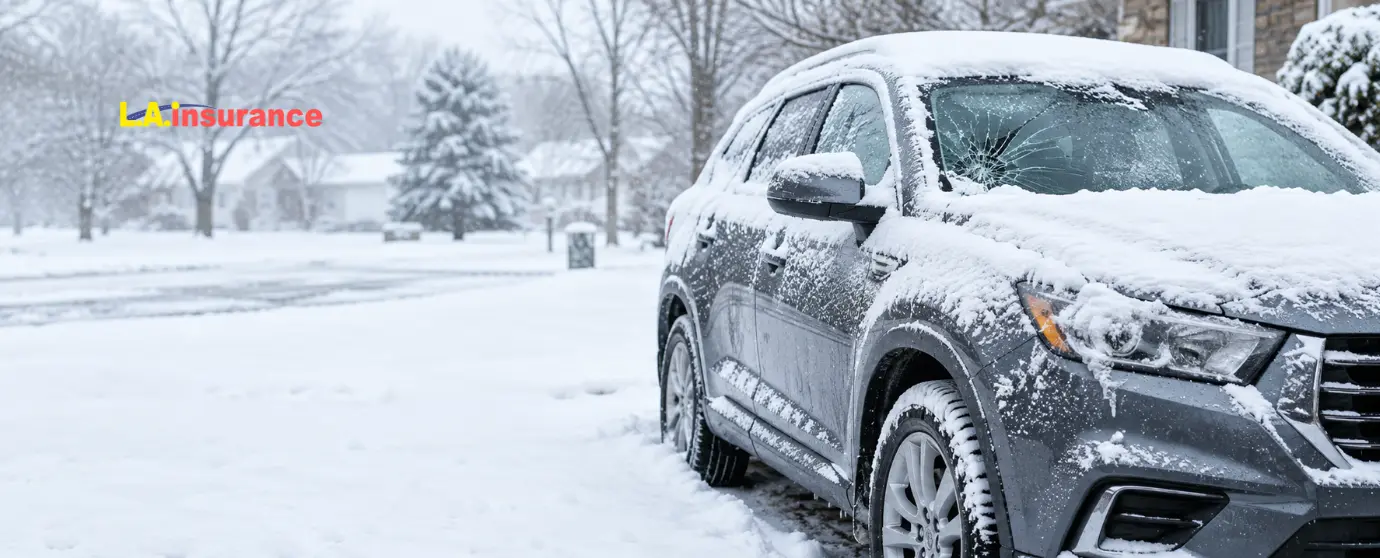
Does Car Insurance Cover Snow Damage?
Your car is more susceptible to damage in winter when it snows. As long as it’s out in the open, it can get damaged by snow at any moment.