Publish Date: 27-04-2022
Boat & Watercraft Insurance
Last Updated: 09-07-2026
Damage of Invasive Species
Michigan's Great Lakes are home to incredible wildlife and endless opportunities for boating, fishing, and other outdoor activities. Along with native fish and aquatic plants, however, the lakes are also home to invasive species that can damage the environment and create costly problems for boat owners.
An invasive species is a plant, animal, or other organism that is introduced into an area where it does not naturally belong. Once established, these species can spread quickly, disrupting ecosystems, harming native wildlife, and damaging boats and other watercraft.
According to the U.S. Environmental Protection Agency (EPA), invasive species continue to threaten the ecological health of the Great Lakes while creating significant environmental and economic impacts.
How Invasive Species Affect Michigan's Great Lakes
The Great Lakes contain hundreds of native species that support healthy ecosystems, recreational activities, and local economies. Unfortunately, invasive species compete with native plants and animals for food and habitat, making it harder for many native species to survive.
Some of the best-known aquatic invasive species found in the Great Lakes include:
- Zebra mussels.
- Quagga mussels.
- Sea lamprey.
- Eurasian watermilfoil.
- Hydrilla and other invasive aquatic plants.
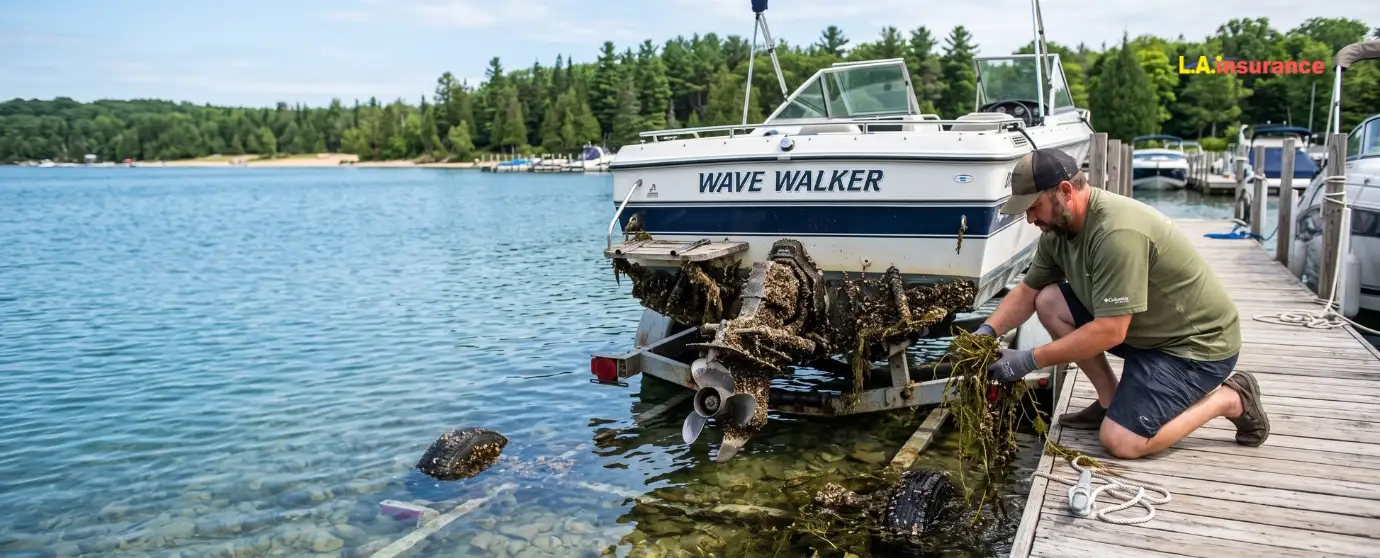
The EPA notes that invasive plants can crowd out native vegetation, reduce food sources for wildlife, and contribute to shoreline erosion. Invasive mussels can also alter water quality and attach themselves to boats, docks, and other underwater structures.
How Invasive Species Can Damage Your Boat
With invasive species easily attaching themselves to boats, trailers, and personal watercraft, it's important to know how to prevent them from spreading.
Aquatic plants, mussels, and other organisms can cause a variety of problems for boat owners, including:
- Jammed propellers.
- Damaged or broken propellers.
- Clogged cooling water intakes.
- Obstructed water lines.
- Pump failures.
- Reduced engine performance.
According to BoatUS, these issues can lead to expensive repairs and unnecessary maintenance if invasive species are not removed promptly.
Simple Ways to Help Prevent the Spread
Fortunately, preventing the spread of invasive species is often simple and only takes a few extra minutes after each trip on the water.
Clean Your Boat
Cleaning your boat is one of the easiest and most effective ways to prevent invasive species from spreading. Remove any mud, aquatic plants, mussels, or other debris from the hull, trailer, motor, anchor, and equipment before leaving the boat launch.
Even small pieces of vegetation can carry invasive organisms to another lake or river.
Drain All Water
Before transporting your boat, drain all water from live wells, bilges, ballast tanks, and other compartments. Standing water may contain tiny aquatic organisms that are difficult to see with the naked eye.
Let Your Boat Dry
Whenever possible, allow your boat and equipment to dry thoroughly before launching in another body of water. Many invasive species cannot survive once they have completely dried out.
Why Prevention Matters
Once an invasive species becomes established, removing it is extremely difficult and often impossible. That's why prevention remains the most effective solution.
By cleaning your boat, draining excess water, and inspecting your equipment after every outing, you can help protect Michigan's lakes while reducing the risk of costly damage to your own boat or personal watercraft.
If you'd like to learn more about preventing the spread of aquatic invasive species, visit the U.S. Environmental Protection Agency or the Michigan Department of Environment, Great Lakes, and Energy (EGLE) for additional guidance and resources.
FAQs About Invasive Species and Boat Damage
What are invasive species?
Invasive species are plants, animals, or other organisms that are introduced into an area where they are not native. They can spread rapidly and harm local ecosystems, wildlife, infrastructure, and recreational waterways.
Can invasive species damage my boat?
Yes. Aquatic invasive species can clog water intakes, jam propellers, block cooling systems, and attach to the hull, increasing maintenance costs and reducing your boat's performance.
How do invasive species spread between lakes?
Many invasive species spread by attaching to boats, trailers, anchors, fishing gear, and other equipment. They can also survive in standing water left inside live wells, bilges, and ballast tanks.
What should I do after taking my boat out of the water?
Inspect your boat and trailer, remove any plants or debris, drain all standing water, and allow the boat to dry before launching it into another lake or river.
Why is preventing invasive species so important?
Once invasive species become established, they are very difficult to eliminate. Preventing their spread helps protect native wildlife, supports healthy waterways, and reduces costly damage to boats and public infrastructure.
Editorial Disclaimer
The resources on this blog are researched and created by experienced insurance writers, then fact-checked and verified for accuracy to provide clear, general informational guidance. This content does not constitute professional insurance, legal, or financial advice. Coverage options and premium rates are subject to individual eligibility, underwriting guidelines, and state availability. For specific questions regarding your policy or to get an accurate quote, please contact a licensed L.A. Insurance agent directly. We're an independent agency and not a direct insurance carrier. For more information on how we operate and handle your data, please see our Terms and Conditions and Privacy Policy.
Tag :
Boat & Watercraft

What Is Life Insurance?
If you’re thinking about getting a life insurance policy, it’s important to understand what it is and how it works. Simply put, life insurance is a type of financial protection that provides money to your chosen beneficiaries after your death.

Does Car Insurance Cover Rust Damage?
Rust can damage many parts of your car and may become more severe over time if left untreated.
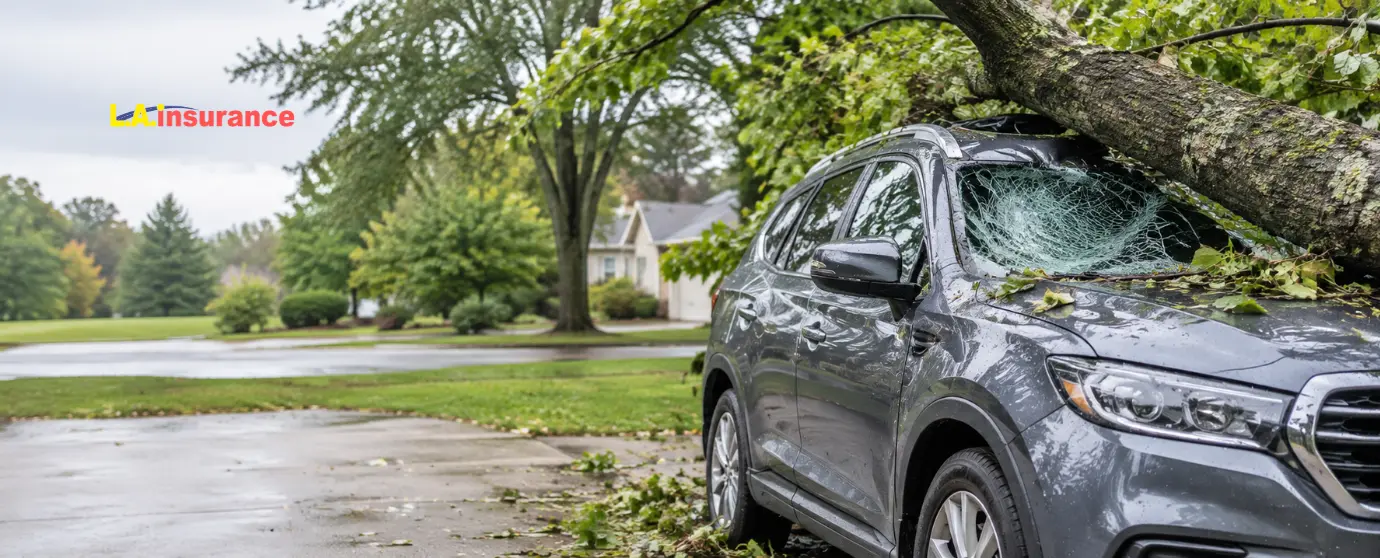
Does Insurance Cover a Tree Falling on Your Car?
Whether your car is parked out in the open under or near a tree, or you’re driving when a tree suddenly falls on your car, either way, it can leave your car severely damaged or even wrecked.
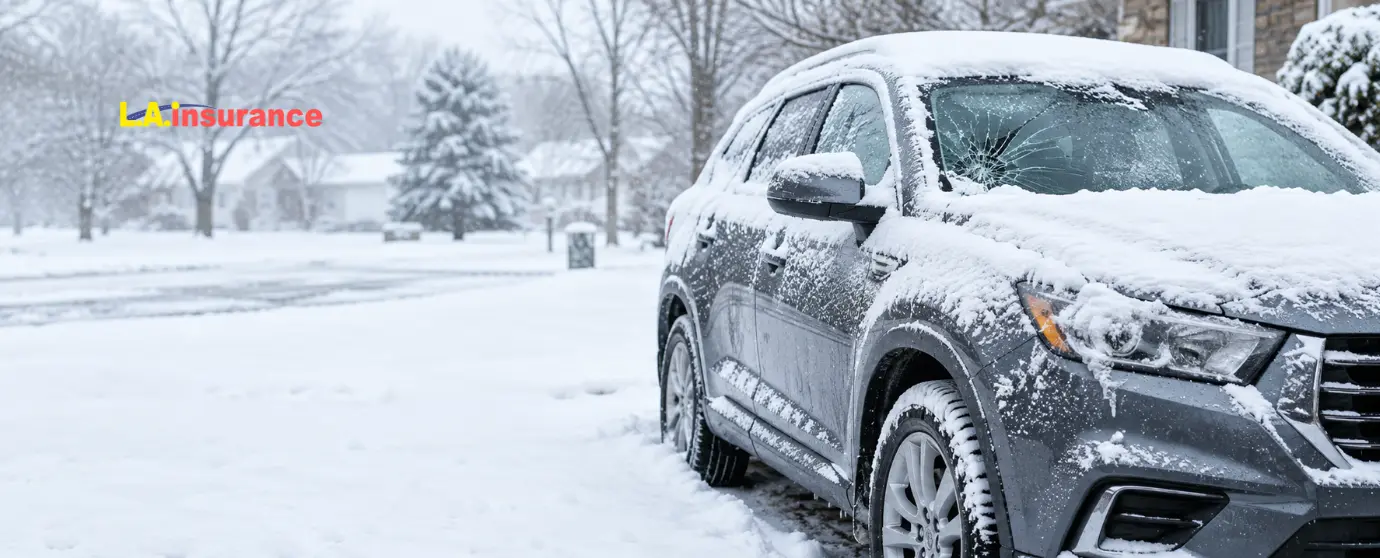
Does Car Insurance Cover Snow Damage?
Your car is more susceptible to damage in winter when it snows. As long as it’s out in the open, it can get damaged by snow at any moment.

Does Auto Insurance Cover Pets in the Car?
Whether you regularly drive with your pets in the car or only take them along occasionally, it’s worth knowing whether your auto insurance covers them.
Do You Need Car Insurance to Cover Road Trips?
If you’re wondering whether your standard auto insurance covers road trips, the good news is that it typically does.