Publish Date: 24-06-2026
Auto Insurance
How Long Will Insurance Pay for a Rental Car After an Accident
After an accident, insurance typically pays for a rental car until your vehicle is repaired, your rental coverage limit is reached, or your claim is settled if the car is declared a total loss. While many drivers hear that rental coverage lasts "about 30 days," there is no universal timeframe. The actual rental period depends on your policy limits, repair timeline, and the details of your claim.
In most cases, coverage ends when your repaired vehicle is ready for pickup, you reach your rental reimbursement limit, or the insurer makes a total loss settlement offer. If your car is totaled, rental coverage usually stops shortly after the settlement offer is made rather than when you buy a replacement vehicle.
Because every claim is different, the length of rental coverage can range from just a few days to several weeks. Understanding these limits can help you avoid unexpected costs and plan ahead if your rental coverage ends before you're back on the road.
What Determines How Long Insurance Pays for a Rental Car?
Several factors can affect how long insurance will continue paying for a rental car after an accident. In most cases, the timeline depends on:
- Your rental reimbursement coverage and policy limits. Many policies have a maximum daily rental amount and a total reimbursement limit.
- Whether the vehicle can be repaired or is declared a total loss. Rental coverage often follows a different timeline when a vehicle is totaled.
- How long repairs take. Repair delays, parts shortages, and shop backlogs can all affect how long you need a rental vehicle.
- Who is paying the claim. The process may differ if you're using your own coverage versus seeking reimbursement from the at-fault driver's insurance.
Learn more: Will insurance pay for rental car during repairs?
If Your Car Is Being Repaired
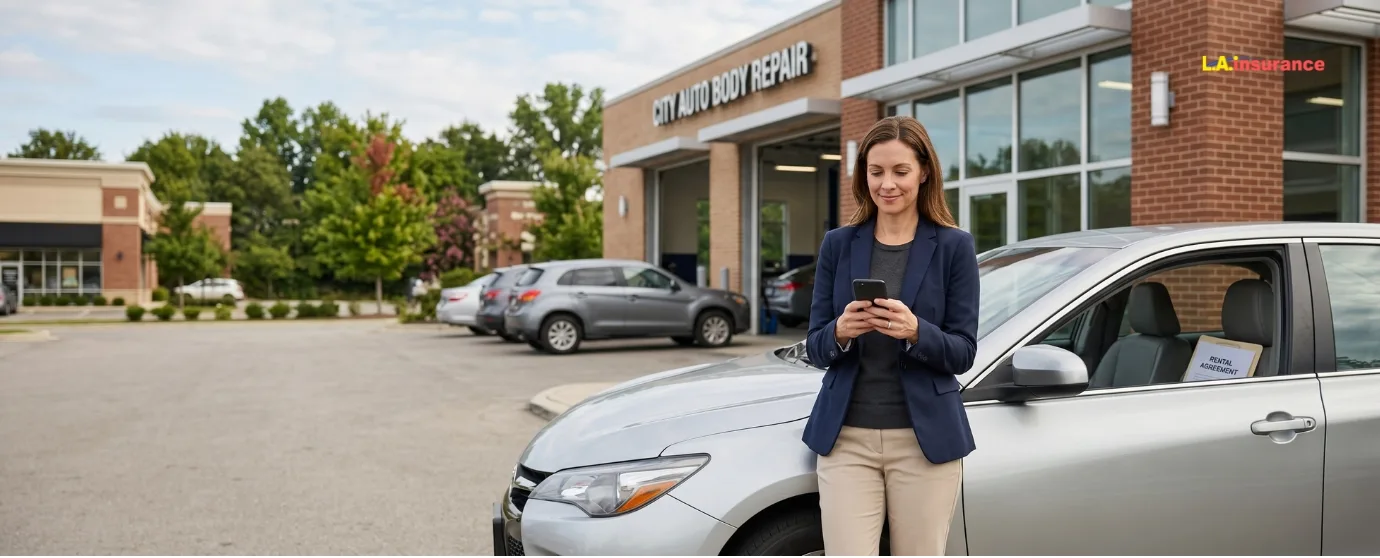
If your vehicle can be repaired, insurance will usually continue paying for a rental car until the repairs are completed or your policy's rental coverage limit is reached. However, the repair timeline and the rental coverage timeline are not always the same thing.
When Rental Coverage Usually Ends
In most repair claims, insurance stops paying for a rental vehicle once the repair shop notifies you that your car is ready for pickup. At that point, the insurer generally considers the need for a rental car to be over.
However, some policies may stop covering your rental car costs sooner if you reach your reimbursement limit before repairs are completed. Most policies place limits on both the amount they will pay per day and the total amount they will reimburse for a rental vehicle. Depending on your coverage, those limits may be reached before your car is back on the road.
What Happens If Repairs Take Longer Than Expected?
Repair delays are more common than many drivers realize. Parts shortages, repair shop backlogs, labor shortages, and supplemental damage discovered during the repair process can all extend how long your vehicle stays in the shop.
This matters because rental coverage is not always extended simply because repairs take longer than expected. According to J.D. Power's 2025 U.S. Auto Claims Satisfaction Study, the average repair cycle time for repairable vehicles was 19.3 days, down from 22.3 days the previous year. However, repair times can still vary significantly depending on factors such as parts availability and vehicle technology. For example, newer vehicles equipped with multiple advanced driver assistance systems (ADAS) took an average of 21.5 days to repair in the study.
If repairs are delayed, stay in contact with both your adjuster and repair shop. In some situations, additional rental time may be approved, but extensions often depend on the circumstances of the claim and the terms of your policy.
Can Insurance Stop Paying Before Repairs Are Finished?
Yes. In some situations, insurance may stop paying for a rental car even if your vehicle is still being repaired.
Many policies include a daily limit and a maximum reimbursement amount. For example, some policies may pay $30 to $50 per day for up to 30 days, although limits vary by insurer and coverage selection. If the cost of a rental exceeds those limits, you may be responsible for paying the difference out of pocket.
For example, suppose your policy pays up to $40 per day for a rental vehicle and your repairs take five weeks because parts are backordered. Even though your car is not ready, rental coverage may end once your policy limit is exhausted, leaving you responsible for any additional rental costs.
If Your Car Is Declared a Total Loss
When a vehicle is declared a total loss, rental car reimbursement coverage usually follows a different timeline than it does for repairable vehicles. Instead of ending when repairs are completed, coverage is tied to the settlement process, which means it can end sooner than many drivers expect.
When Rental Coverage Typically Ends
If your vehicle is totaled, insurance will generally continue paying for a rental car until the claim reaches a key settlement milestone. In many cases, coverage continues until a settlement offer is made and the claim is ready to be resolved. Some insurers may provide a short transition period afterward, but the exact timeline varies by company and claim circumstances.
In many cases, rental reimbursement ends approximately seven days after a formal settlement offer is made, as insurers often consider this a reasonable window for arranging replacement transportation. However, timelines can vary by insurer and claim circumstances.
If an adjuster tells you coverage ends the day the total loss is declared rather than when a settlement offer is issued, it's worth asking for clarification, as rental coverage typically continues through the settlement stage.
Because policies and claims are handled differently, it's important to ask your adjuster for the specific date rental coverage is expected to end. Knowing that date early can help you plan for transportation needs before additional costs begin to accumulate.
Why Coverage Usually Doesn't Last Until You Buy Another Vehicle
One of the most common misunderstandings in an insurance total loss rental car claim is the belief that rental coverage continues until a replacement vehicle is purchased.
In reality, rental coverage is usually tied to the total loss settlement rental car coverage process rather than your vehicle search. Once the insurer determines the vehicle's value and presents a settlement offer, the rental period may end within days, even if you haven't yet found a replacement vehicle.
What to Do if You Need More Time
If your vehicle is declared a total loss, ask your adjuster as early as possible exactly when rental coverage will end. Don't assume coverage will continue until you've purchased another vehicle.
If the timeline is unclear, request confirmation in writing. Having a documented end date can help prevent misunderstandings and allow you to make transportation arrangements before coverage expires.
If you need additional time, ask whether an extension is available. While extensions are not guaranteed, some insurers may consider them depending on the circumstances of the claim. If coverage does end, you may be able to continue the rental at your own expense or explore alternative transportation options until you purchase a replacement vehicle.
What If the Other Driver Was at Fault?
When another driver causes the accident, rental car coverage may come from their insurance company rather than your own policy. However, that does not always mean a rental vehicle is approved immediately.
The timeline often depends on when fault is accepted and how quickly the claim is processed.
Using Your Own Rental Reimbursement Coverage
If you carry rental car reimbursement coverage, you may be able to use it right away instead of waiting for the other driver's insurer to investigate the claim.
This can help you get back on the road faster. If the other driver is ultimately found responsible, the insurers may work out reimbursement between themselves later.
Using your own coverage does not necessarily mean you are accepting fault for the accident. It may simply be the quickest way to obtain a rental vehicle while the claim is being resolved.
Seeking Reimbursement from the At Fault Driver's Insurance
Some drivers choose to rely entirely on the other driver's insurer for rental coverage. In that situation, the insurer may need to complete its investigation and accept liability before agreeing to pay for a rental vehicle.
This can create delays, especially when fault is disputed or multiple vehicles are involved. Until liability is established, you may need to pay upfront and seek reimbursement later, depending on how the claim is handled.
Claim investigations often take several days or even weeks to complete. While insurers are generally required to investigate claims within state-regulated timeframes, the exact deadlines vary. If the process seems stalled, ask your adjuster for a written status update and clarification on whether rental expenses will be reimbursed.
Because every claim is different, ask the adjuster whether rental coverage will be provided directly or whether you'll be responsible for paying first and requesting reimbursement afterward.
How Claim Delays Can Affect Rental Coverage
Even when another driver is clearly at fault, claim delays can affect how long insurance continues covering your rental car costs.
Liability investigations, missing documentation, disputes between insurers, and delays in vehicle inspections can all slow the process. The longer a claim takes to move forward, the more important it becomes to understand who is paying for the rental and what limits may apply.
If you're seeking reimbursement from the at-fault driver's insurance, keep records of rental agreements, receipts, and communication related to the claim. Having clear documentation can make reimbursement easier if questions arise later.
If you're paying for a rental vehicle out of pocket while waiting for the claim to be resolved, save every receipt and expense record. Depending on the outcome of the claim, those costs may become part of your reimbursement request.
What Happens When Rental Car Coverage Runs Out?
When rental car coverage ends, the responsibility for transportation costs typically shifts to you. Whether your vehicle is still being repaired, you're waiting for a total loss settlement to be finalized, or you're searching for a replacement vehicle, any additional rental costs may become your responsibility unless another source of coverage applies.
Paying Out of Pocket
Once insurance stops paying, you'll generally need to cover any remaining rental car expenses yourself. This can happen if you reach your policy limits, exceed your reimbursement period, or continue renting a vehicle after a total loss settlement has been completed.
The cost of a rental can add up quickly. According to Fidelity, renting a vehicle from a major rental company often costs between $400 and $600 per week. Even a short coverage gap can create a significant unexpected expense if you're not prepared for it.
Before extending a rental, ask the rental company for the current rate, taxes, and any additional fees so you know exactly what you'll be responsible for paying.
Requesting an Extension
If you believe you need more rental time, contact your adjuster before coverage expires. In some situations, an extension may be considered, particularly if there are unusual delays affecting the claim.
However, extensions are not guaranteed. Insurers typically review these requests based on the circumstances of the claim, policy terms, and the reason additional rental time is needed.
The earlier you raise the issue, the more options you may have. Waiting until after coverage has ended can make it more difficult to obtain additional assistance.
Exploring Alternative Transportation Options
If extending the rental is not possible, consider other transportation options while your claim is being resolved. Depending on your situation, this could include public transportation, rideshare insurance coverage or services, carpooling, or borrowing a vehicle from a family member.
It's also worth reviewing any benefits available through your credit card or membership programs. While these benefits typically do not replace rental reimbursement coverage, they may provide other forms of rental vehicle protection or cost savings.
If another driver was responsible for the accident and you're still waiting for the claim to be resolved, keep records of any transportation-related expenses. Depending on how the claim is resolved, documented costs such as rental charges, rideshare receipts, or other reasonable transportation expenses may support your reimbursement request.
How to Avoid Unexpected Rental Car Costs
Many drivers don't realize there is a problem until the rental bill arrives. A little planning can help you avoid surprise expenses if repairs take longer than expected or your rental coverage ends sooner than anticipated.
To reduce the risk of out-of-pocket costs:
- Check your policy before you need it. Knowing your daily limit, reimbursement period, and overall coverage limits ahead of time can help you make better decisions if an accident happens.
- Review your rental reimbursement coverage before renting a vehicle so you understand exactly what expenses are covered and where your limits begin.
- Ask your adjuster how long insurance is expected to pay for a rental and whether any claim-related delays could affect that timeline.
- Choose a rental vehicle that fits within your policy's reimbursement limits. Upgrading to a larger or premium vehicle may increase your out-of-pocket costs.
- Check whether your credit card or membership programs offer rental-related benefits. While these benefits usually do not replace insurance rental reimbursement coverage, they may provide additional protections or cost savings depending on the situation.
- Stay in contact with the repair shop and your adjuster so you're aware of any delays that could affect coverage.
- If your vehicle is declared a total loss, ask for the expected rental end date as soon as a settlement offer is being discussed.
- Keep copies of rental agreements, receipts, and all claim communications. Clear documentation can help resolve reimbursement disputes and may support recovery of transportation-related expenses if you're pursuing compensation from an at-fault driver.
Not sure if you have the right rental reimbursement coverage, or looking to add it before you need it? LA Insurance offers affordable auto insurance options that can help protect you from unexpected rental car costs. Reach out to one of our agents today or call us (800) 893-9393 directly to review your policy and find the coverage that fits your needs.
Frequently Asked Questions About Rental Car Coverage After an Accident
Does Insurance Pay for a Rental Car If My Car Is Totaled?
Yes, but usually only until the total loss claim reaches the settlement stage. In many cases, rental coverage ends shortly after the insurer makes a settlement offer rather than when you purchase a replacement vehicle.
Can Rental Car Coverage Be Extended?
Sometimes. Insurers may approve additional rental time in certain situations, such as claim-related delays, but extensions are not guaranteed and depend on the policy and claim circumstances.
What Happens If My Repairs Take Longer Than Expected?
If repairs take longer than expected, rental coverage may continue only until your policy limits are reached. Once coverage ends, you may have to pay any remaining rental costs out of pocket.
Will Insurance Pay for Any Rental Vehicle I Choose?
Not necessarily. Insurance generally pays only up to your policy's daily and total reimbursement limits. If you choose a vehicle that costs more than your coverage allows, you will usually pay the difference.
Do I Need Rental Reimbursement Coverage to Get a Rental Car After an Accident?
No. If another driver is at fault, their insurance may pay for a rental vehicle. However, if you're relying on your own policy, rental costs are typically covered only if you purchased rental reimbursement coverage before the accident.
Editorial Disclaimer
The resources on this blog are researched and created by experienced insurance writers, then fact-checked and verified for accuracy to provide clear, general informational guidance. This content does not constitute professional insurance, legal, or financial advice. Coverage options and premium rates are subject to individual eligibility, underwriting guidelines, and state availability. For specific questions regarding your policy or to get an accurate quote, please contact a licensed L.A. Insurance agent directly. We're an independent agency and not a direct insurance carrier. For more information on how we operate and handle your data, please see our Terms and Conditions and Privacy Policy.
Tag :
fast car insurance
car maintenance
cheap car insurance

What is Permanent Life Insurance?
Wouldn’t it be helpful to have a life insurance policy that provides lifelong coverage and can also build cash value over time? That’s where permanent life insurance comes in.

What is Term Life Insurance?
Term life insurance is a type of life insurance policy that provides coverage for a specific period, generally 10, 15, 20, 30, or even 40 years.

Types of Life Insurance and How They Differ?
If you’re shopping for life insurance, you’ve probably come across different types of life insurance, such as term life insurance, whole life insurance, and universal life insurance.

What Is Life Insurance?
If you’re thinking about getting a life insurance policy, it’s important to understand what it is and how it works. Simply put, life insurance is a type of financial protection that provides money to your chosen beneficiaries after your death.

Does Car Insurance Cover Rust Damage?
Rust can damage many parts of your car and may become more severe over time if left untreated.
Does Insurance Cover a Tree Falling on Your Car?
Whether your car is parked out in the open under or near a tree, or you’re driving when a tree suddenly falls on your car, either way, it can leave your car severely damaged or even wrecked.