Publish Date: 04-05-2026
Auto Insurance
Last Updated: 19-05-2026
Does My Car Need Insurance If I am Not Driving It?
Do you know that about 12.9% of Americans believe you can simply pause car insurance when you’re not driving? It sounds convenient. But is it actually legal or even possible?
If your car is sitting unused, it’s easy to assume you don’t need coverage. However, that’s not how it works in most cases. So, does your car still need insurance if you’re not driving it? The short answer is yes.
In most situations, you can’t truly pause or cancel your car insurance policy without facing consequences. In fact, a true ‘pause’ option doesn’t exist unless you officially unregister the vehicle with your state DMV. Instead, insurers usually offer ways to reduce coverage, not stop it completely.
Keep reading. You’ll learn what your state requires, what options you actually have, and how to avoid costly mistakes with a car that’s not in use.
Can I Just Pause Car Insurance If I’m Not Driving?
Short answer. Not really.
Most drivers assume they can just “pause” their policy and stop paying. It sounds logical. But in reality, a true pause almost never exists. Most insurance companies don’t allow you to simply stop coverage and restart it later, like a subscription.
So what actually happens? In most cases, you have three real options, not a pause:
- Reduce your coverage
- Cancel your policy
- File a state-approved suspension (in limited cases)
Learn more: Can you pause car insurance?
Types of Coverage You Can Adjust Instead of Pausing
Because a full pause isn’t common, insurers usually offer a middle ground.
You can often:
- Drop liability and collision temporarily
- Keep comprehensive coverage for protection
This matters because comprehensive covers things that can still happen when your car is parked, like theft, fire, vandalism, or weather damage.
That’s why many drivers switch to what’s often called “car storage insurance” or comprehensive-only coverage. It keeps protection in place, but lowers your premium.
Learn more: How much coverage do I need for auto insurance?
When a “Pause” Might Be Allowed (Rare Cases)
Some insurers or states allow limited forms of suspension. But they come with strict conditions. For example:
- You may need to file an affidavit of non-use with your DMV
- Your car must be off the road completely
- You cannot drive it at all during that time
Even then, approval depends on your state and insurer. And if your car has a loan or lease, you usually can’t reduce coverage at all. Lenders often require full protection at all times.
What Happens If You Pause for a Car in Storage?
At first, it feels like nothing changes. Your car is parked. You’re not driving. So reducing or “pausing” coverage seems harmless. However, a few important things happen the moment you adjust your policy.
Your Coverage Becomes Limited
When you switch to storage or reduced coverage, you’re no longer fully protected.
- You usually lose liability and collision coverage
- You keep comprehensive coverage only (in most cases)
That means your car is still protected from risks like theft, fire, vandalism, or weather damage. But here’s the catch. If anything involves driving, even for a short trip, you’re not covered.
You Take on More Risk Than You Think
A parked car still faces real risks.
For example:
- Someone could hit your car and drive away
- A storm or falling object could damage it
- Theft or vandalism can still happen
Comprehensive coverage helps with these. But without the right coverage mix, you may still pay out of pocket depending on the situation. And if you remove too much coverage, your car may have no protection at all.
Driving It “just once” Can Backfire
This is where people make costly mistakes. Let’s say you reduce coverage for storage. Then one day, you decide to take a quick drive. Even a short trip to a gas station counts. If you haven’t restored full coverage:
- Your claim can be denied
- You may have to pay for damages yourself
- You could face legal trouble depending on your state
Because once coverage is reduced, your policy assumes the car is off the road completely.
State Rules Can Still Apply
Even if your car is parked, some states require continuous insurance as long as the vehicle is registered.
That means:
- You may face fines or penalties
- Your registration could be suspended
- You might need to prove the car is officially off the road
In some cases, enforcement can happen even if the car never leaves your driveway.
When You Might Consider Canceling or Pausing Insurance
Canceling or reducing your car insurance isn’t always a bad idea. But it only makes sense in very specific situations. If you rush into it, you could create bigger problems later.
Here are the cases where it may actually be worth considering.
Your Car Is Completely off the Road
If your car won’t be driven for a long time, this is the most common reason to reduce or cancel coverage. For example:
- Long-term storage (several months or more)
- A vehicle you’re not planning to use anytime soon
- A seasonal car that stays parked for part of the year
However, the key condition is simple. The car must stay off the road the entire time.
You’ve Officially Unregistered the Vehicle
This is one of the safest ways to cancel insurance. If you:
- Return your license plates
- File a non-use or storage status with your state
Then you may no longer be required to carry insurance. Many states tie insurance requirements directly to registration, not usage. Without taking this step, canceling your policy can lead to fines or registration issues.
The Car Isn’t Worth Much Anymore
If your car has a very low value, paying for full coverage may not make financial sense. In this case, you might:
- Drop collision and liability
- Keep minimal or no coverage depending on state rules
However, you should weigh the risk. Even a parked car can still be stolen or damaged.
You Don’t Have a Loan or Lease
If your car is financed, this option usually isn’t available. Lenders require full coverage to protect their investment. So even if you’re not driving, you’re expected to maintain that protection. If you own the car outright, you have more flexibility to adjust or cancel coverage.
You Have Another Vehicle You’re Actively Using
If you already have insurance on another car, you may not need full coverage on a second unused vehicle. Some drivers choose to:
- Reduce coverage on the unused car
- Keep their main policy active on the car they drive
This can help lower overall costs without leaving you completely uninsured.
What to Consider Before You Pause or Cancel Car Insurance
Before you make any changes, slow down for a moment. Canceling or reducing your coverage can save money now. However, it can also create risks if you miss key details.
Here are the most important things to think through:
- State laws and registration: If your car is still registered, many states still expect active insurance. Skipping this step can lead to fines or suspension.
- How long the car will sit unused: A few weeks is different from several months. Longer storage may justify reducing coverage, not canceling it.
- Risk of damage or theft: Even parked cars can be stolen, vandalized, or damaged by weather. Without coverage, you pay out of pocket.
- Loan or lease requirements: If your car is financed, you usually must keep full coverage. Lenders don’t allow gaps.
- Future insurance costs: A gap in coverage can raise your rates later. Insurers often see it as a higher risk.
Canceling Insurance for a Car That’s Not Being Driven or in Storage
Canceling your insurance for an unused or stored car isn’t just about stopping payments. If you do it incorrectly or skip the right steps, you could face fines, registration issues, or higher costs later. So it’s important to do it the right way.
Here’s how to handle it safely:
- Check your state rules first: In many states, insurance is tied to your registration. If your car is still registered, you may still be required to carry coverage.
- Take the car off the road officially: This usually means returning your license plates or filing a non-use or storage form with your DMV. Without this step, canceling can trigger penalties.
- Confirm no loan or lease is active: If your car is financed, you typically must keep full coverage. Lenders won’t allow cancellation.
- Contact your insurer to cancel properly: Don’t just let the policy lapse. Request a formal cancellation and confirm the effective date.
- Plan ahead for when you’ll drive again: You’ll need active insurance before putting the car back on the road. A gap in coverage can also raise your future premiums.
Learn more about how to cancel car insurance.
Real-Life Example: Car Insurance When You’re Not Driving
Let’s make this real. This is exactly how many drivers think when their car sits unused.
On a Reddit thread, one user shared that their car was just sitting in the driveway, barely used anymore. They started questioning whether it even made sense to keep paying for insurance at all.
“It’s just sitting… I’m not going anywhere.”
That feeling is common. You stop driving, so paying for monthly insurance starts to feel like wasted money. But here’s what usually happens next.
At first, people consider canceling coverage completely. Then they realize a few things:
- The car is still registered, so insurance may still be required
- Unexpected situations still happen, even without driving
- Restarting insurance later can be more expensive
So instead of canceling, many drivers switch to a smarter option:
- Keep basic or comprehensive-only coverage
- Make sure the car stays off the road
- Avoid a coverage gap that could raise future rates
How Coverage Gaps Affect Premiums for Undriven or Parked Vehicles
It might seem harmless to cancel your insurance for a while. After all, you’re not driving. However, insurers don’t see it that way. A coverage gap or coverage lapse can make you look like a higher-risk driver. Even if you had a clean record before, that break can work against you.
Here’s what usually happens:
- Higher premiums when you come back: Insurers often charge more if you’ve had a lapse. You may lose your previous “continuous coverage” advantage. For example, data from Bankrate shows a lapse can raise your rate by about $75 to $250 per year. ValuePenguin also found that even a short lapse under 30 days can increase rates by around 8%, and longer gaps can push that increase closer to 35%.
- Fewer discounts: Some discounts depend on staying insured without interruption. A gap can reset those benefits.
- Limited insurer options: Certain companies may be less willing to offer you the best rates after a lapse.
- Reclassification as higher risk: Even without accidents, a coverage gap can signal inconsistency, which affects pricing.
Short gaps may have a smaller impact. However, longer gaps tend to increase costs more noticeably. So while canceling might save money upfront, it can cost more when you try to insure your car again.
Best Practices for Storing a Car (If You’re Not Driving)
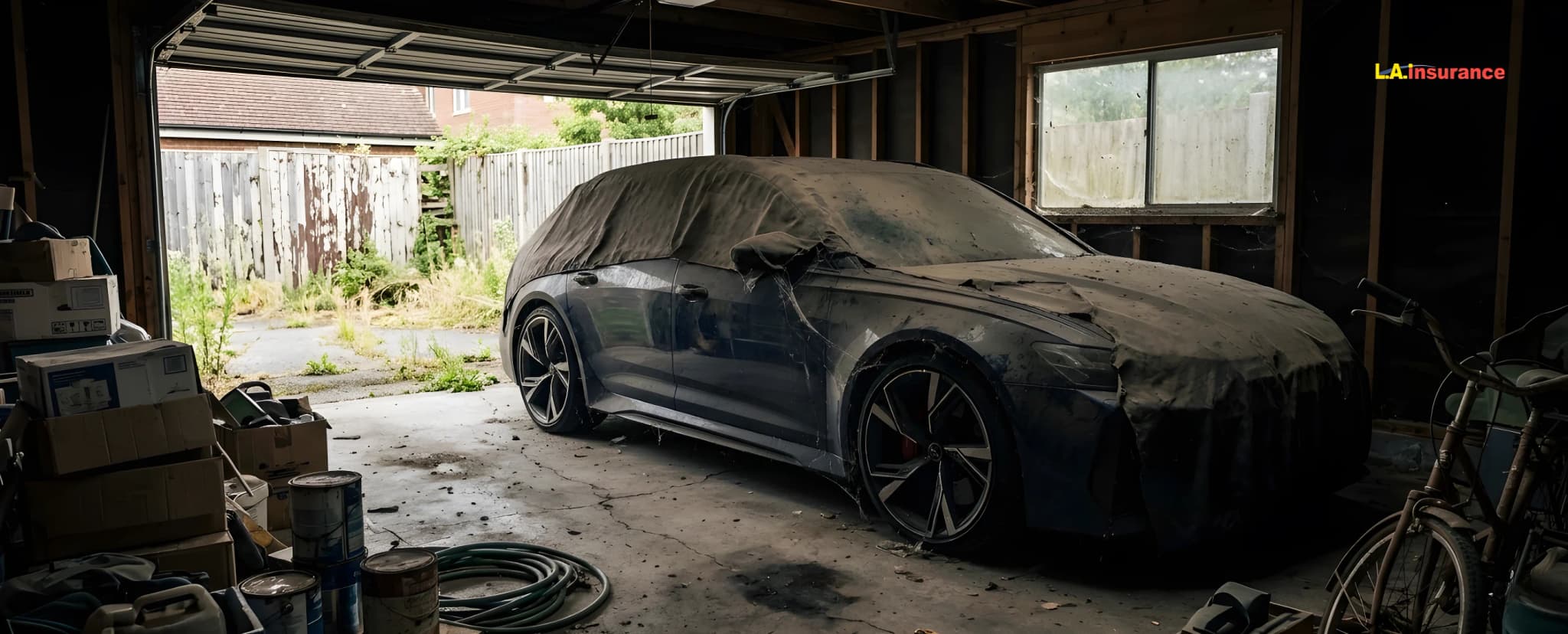
If your car is going to sit for a while, how you store it matters just as much as your insurance. A few simple steps can protect your vehicle and help you avoid unnecessary costs. Start with the basics. Keep your car in a safe, controlled environment whenever possible. Then build from there.
Here’s what you should do:
- Store it in a secure location: A garage is best. If not, use a covered or well-lit area to reduce theft and weather exposure.
- Keep at least comprehensive coverage: Even in storage, risks like fire, theft, or storms don’t stop. This keeps you protected.
- Disconnect or maintain the battery: Long periods of inactivity can drain it. A battery maintainer can help.
- Check tire pressure and fluids: Tires can lose air, and fluids can settle or degrade over time.
- Clean the car before storage: Dirt and moisture can cause damage if left sitting too long.
- Don’t forget registration rules: If your car is still registered, make sure you’re meeting your state’s insurance requirements.
A stored car isn’t risk-free. But with the right setup, you can protect it without overpaying.
Ways to Lower Your Car Insurance Cost When You’re Not Driving
If you’re not driving your vehicle but plan to use it later, pausing or canceling isn’t the best solution. A parked car or a car in storage still faces risks. And a coverage lapse can raise your rates when you try to get insured again. That’s why it’s smarter to look for ways to lower your insurance costs without fully canceling it.
Here are effective ways to do that:
- Reduce your coverage (start here): Drop collision and liability if the car won’t be driven. Keep comprehensive to stay protected from theft, fire, or weather damage.
- Increase your deductible: A higher deductible lowers your premium. This works well if the car is sitting unused and you’re unlikely to file a claim.
- Switch to storage or comprehensive-only coverage: Many insurers offer this option for parked vehicles. It’s one of the easiest ways to cut costs without losing protection.
- Ask about low-mileage or usage-based discounts: If you’re barely driving, you may qualify for reduced rates based on limited usage.
- Remove unnecessary add-ons: Extras like roadside assistance or rental reimbursement may not be needed if the car isn’t in use.
- Bundle or review your policy: You might save more by bundling with another policy or updating your current plan.
Wrapping Up
If your car isn’t being driven, you still need to think carefully before changing your insurance. In most cases, you can’t simply pause your policy. However, you can reduce coverage the right way to save money without creating problems later.
The key is simple. Match your coverage to how you use your car, follow your state rules, and avoid gaps that could raise your rates. A few smart adjustments now can protect both your car and your wallet down the road.
Do I need car insurance if I’m not driving FAQs
Can I have a car without insurance that I don't drive?
Not usually. Most states require liability coverage for any registered vehicle, even if it’s not driven. If you stop paying insurance without unregistering or officially storing the car, you can face fines, registration suspension, or legal penalties. The safer option is to either maintain minimal coverage or declare the vehicle off the road with your DMV.
Do I need car insurance in Michigan if I’m not driving?
Yes, if your car is still registered, Michigan law requires you to carry at least liability insurance. The only way to remove this requirement is to unregister the vehicle or file a non-use declaration. Without doing this, canceling coverage can lead to fines, suspended registration, and higher future premiums.
Is there a dedicated insurance coverage for a car in storage?
Yes. Many insurers offer comprehensive-only or storage coverage. This protects your parked vehicle against theft, fire, vandalism, or weather damage, but drops liability and collision since the car isn’t being driven. It’s the safest way to reduce costs without creating a coverage lapse.
How much is insurance for a parked car?
It depends on the car, state, and insurer, but comprehensive-only coverage for a parked vehicle is usually 30% to 60% cheaper than full coverage, which is around $13 to $45 per month. Factors like vehicle value, storage location, and security measures can affect the premium.
How to insure a car you rarely drive?
If you rarely drive:
- Consider a low-mileage or usage-based policy
- Increase your deductible to lower premiums
- Keep comprehensive coverage for parked risks
- Combine with a primary vehicle policy if applicable
What happens if the car is insured but not the driver?
Insurance covers the vehicle itself, not just the driver. If the car is parked and insured under your policy, it remains protected against damage, theft, or natural disasters. Liability coverage only applies if someone drives the car. Always ensure the insurance type matches who will drive and how the car is used.
Editorial Disclaimer
The information provided on this blog is for general informational purposes only and does not constitute professional insurance, legal, or financial advice. Coverage and rates are subject to individual eligibility, underwriting guidelines, and state availability. For specific questions regarding your policy or to get an accurate quote, please contact a licensed L.A. Insurance agent directly. We're an independent agency and not a direct insurance carrier. For more information on how we operate and handle your data, please see our Terms and Conditions and Privacy Policy.
Tag :
fast car insurance
cheap car insurance
car maintenance

What is Permanent Life Insurance?
Wouldn’t it be helpful to have a life insurance policy that provides lifelong coverage and can also build cash value over time? That’s where permanent life insurance comes in.

What is Term Life Insurance?
Term life insurance is a type of life insurance policy that provides coverage for a specific period, generally 10, 15, 20, 30, or even 40 years.

Types of Life Insurance and How They Differ?
If you’re shopping for life insurance, you’ve probably come across different types of life insurance, such as term life insurance, whole life insurance, and universal life insurance.

What Is Life Insurance?
If you’re thinking about getting a life insurance policy, it’s important to understand what it is and how it works. Simply put, life insurance is a type of financial protection that provides money to your chosen beneficiaries after your death.

Does Car Insurance Cover Rust Damage?
Rust can damage many parts of your car and may become more severe over time if left untreated.
Does Insurance Cover a Tree Falling on Your Car?
Whether your car is parked out in the open under or near a tree, or you’re driving when a tree suddenly falls on your car, either way, it can leave your car severely damaged or even wrecked.