Publish Date: 25-05-2026
Auto Insurance
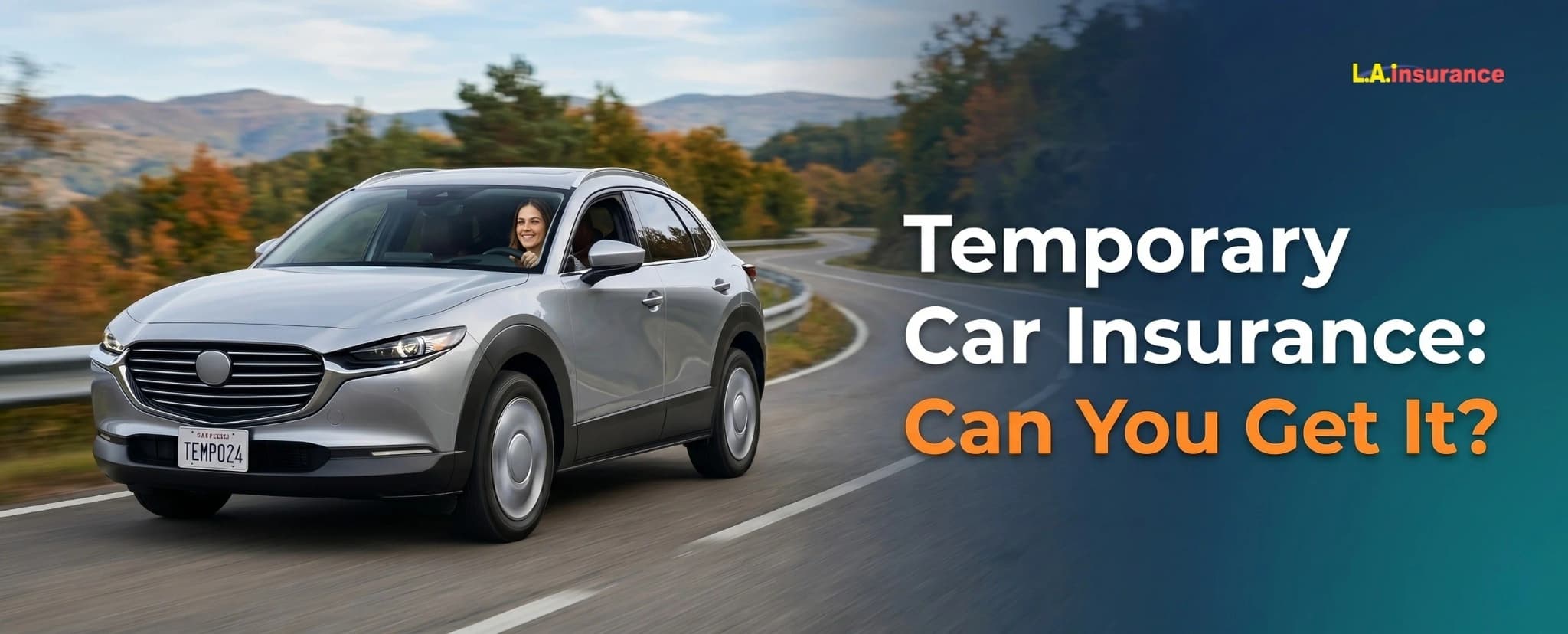
Temporary Car Insurance: Can You Get It?
You might be looking for temporary car insurance (AKA short-term car insurance) because you only need coverage for a few days or weeks. Maybe you’re borrowing a car, renting one, or just bought a vehicle and haven’t set up a long-term policy yet.
It sounds simple. Get insurance for a short time, then cancel it when you’re done. However, car insurance in the U.S. doesn’t really work that way. Most insurers don’t offer true short-term policies, even though the idea is widely searched.
That can feel confusing at first. But here’s the good news. You still have practical ways to get covered for a short period. You just need to understand what options actually exist and how to use them.
So before jumping into solutions, let’s break down what short-term car insurance really means and why so many drivers misunderstand it.
Can You Get Temporary Auto Insurance: Quick Takeaways
- You can’t buy true temporary car insurance in the U.S.
- Most policies last 6 or 12 months, even for short-term needs.
- Short-term coverage works through alternatives, not standalone policies.
- Rental car insurance is the closest option for daily coverage.
- Non-owner car insurance is best if you drive but don’t own a car.
- Monthly payments don’t mean a monthly policy.
- Your best option depends on your situation, not the timeframe.
- Focus on the right coverage, not the idea of “temporary” insurance.
What Is Temporary Car Insurance? And Why It Confuses U.S. Drivers
At its core, temporary car insurance simply means coverage that lasts for a short time instead of months or years. In general, “temporary” refers to something that is not permanent and only lasts for a limited period.
Because of that, many drivers expect options like:
- Daily or one-day coverage
- Weekly insurance
- Month-to-month policies
And in some countries, those options do exist.
However, in the United States, the term creates confusion. Most major insurers don’t sell true short-term policies. Instead, they offer standard policies that typically last six or twelve months.
As a result, what people call short-term car insurance is usually something else entirely. It often means using alternative options, such as:
- Non-owner car insurance if you don’t own a vehicle
- Rental car insurance for short trips
- Being added to someone else’s policy temporarily
- Starting a standard policy and canceling it early
Can You Get Temporary Car Insurance in the U.S.?
No. You generally can’t buy true temporary car insurance in the United States.
Most insurers don’t offer policies that last just a few days or weeks. Instead, standard auto policies usually run for six or twelve months, even if you only need coverage for a short time.
However, that doesn’t mean you’re stuck without options. You can still get short-term protection by using alternatives that fit your situation.
For example, you might:
- Use permissive use if you’re borrowing a car
- Buy rental car insurance for short trips
- Choose non-owner car insurance if you don’t own a vehicle
- Start a standard policy and cancel it when you no longer need it
As a result, the real question isn’t “Can you get temporary insurance?” It’s “What’s the best way to stay covered for a short time?” To understand why these workarounds exist, it helps to look at why insurers don’t offer short-term policies in the first place.
Why Temporary Car Insurance Isn’t Offered in the U.S.
It comes down to how auto insurance is priced, regulated, and managed.
First, insurers calculate risk over time. A policy is designed to spread risk across several months. Therefore, offering coverage for just a few days makes pricing unpredictable and less reliable.
Second, every state has car insurance requirements. Drivers must carry at least liability coverage to stay legally insured. Because of that, insurers build policies that meet ongoing legal standards, not just short-term needs.
Third, there are administrative costs. Setting up a policy involves underwriting, paperwork, and compliance checks. As a result, issuing very short policies would cost insurers more than they earn.
Finally, short-term policies can increase fraud risk. People could try to buy coverage only when they expect to file a claim. Therefore, insurers avoid offering products that are easy to misuse.
So while short-term car insurance sounds convenient, it doesn’t fit how the U.S. system works. However, once you understand these limits, the alternatives start to make much more sense.
Why Would You Need Temporary (Short-Term) Car Insurance?
You usually look for temporary car insurance when you don’t need a full, long-term policy. In most cases, it comes down to a short-term situation where you still need to meet car insurance requirements and carry liability coverage.
For example, you might need coverage if you:
- Are borrowing a friend’s or family member’s car
- Are renting a car for a few days or weeks
- Just bought a car and need coverage before setting up a long-term policy
- Don’t own a car but drive occasionally
- Are storing a car and want limited protection
Because these situations are temporary, a full 6-month policy can feel excessive. However, you still need to stay insured to drive legally and protect yourself financially.
That’s why most drivers start searching for short-term car insurance. But as you’ve seen, the real solution is choosing the right alternative based on your situation.
Let’s break those options down clearly.
Best Short-Term Car Insurance Options (Based on Your Situation)
Since true temporary car insurance isn’t available, the best approach is to match your situation with the right type of coverage.
Here’s a quick way to decide:
Your situation | Best option | Why it works |
Borrowing a car | Permissive use or added driver | Covered under the car owner’s policy |
Renting a car | Rental car insurance | Designed for short-term use |
Don’t own a car | Non-owner car insurance | Meets liability coverage requirements |
Just bought a car | Standard policy + cancel | You can adjust or cancel later |
Drive occasionally | Usage-based insurance | Pay based on driving habits |
Storing a car | Comprehensive-only coverage | Protects against non-driving risks |
Now let’s look at each option more closely so you can choose what fits best.
- Borrowing a car: If you’re borrowing a car occasionally, you may already be covered through permissive use. This means the owner’s policy can extend to you as a driver. However, coverage limits depend on their policy, so it’s important to confirm first.
- Renting a car: Rental companies offer rental car insurance that works on a daily basis. This is one of the closest options to true short-term coverage. It’s quick to set up and ends when your rental period ends.
- Don’t own a car: If you don’t own a vehicle but still drive sometimes, non-owner car insurance is often the best fit. It provides liability coverage and keeps you legally insured without tying you to a specific car.
- Just bought a car: If you recently bought a vehicle, you’ll need coverage before driving it. In this case, you can start a standard policy and cancel or adjust it later if needed. Many insurers allow prorated refunds depending on timing.
- Occasional driving: If you don’t drive often, usage-based programs can help you save money. These plans track mileage or driving habits, so you only pay for what you use.
- Storing a car: If your car is parked long-term, you can reduce coverage instead of canceling it. Keeping comprehensive coverage protects against theft, fire, or weather damage without paying for full driving coverage.
Can You Get Car Insurance for a Day, Week, or Month?
In most cases, no. You can’t buy temporary car insurance by the day or week from major U.S. insurers. Auto insurance is typically sold in 6- or 12-month policy terms, not short durations. So, a true daily or weekly coverage isn’t part of the standard system. However, there are a few important exceptions and workarounds depending on what you need.
Daily Car Insurance
You won’t find true one-day policies from major insurers. But if you’re renting a car, rental companies often offer daily insurance coverage. This is one of the closest options to short-term protection.
Weekly Car Insurance
Weekly policies are also not standard. Some smaller or niche providers may advertise them, but you should be careful. Offers that seem too short or too easy can sometimes be unreliable or misleading.
Instead, most drivers use alternatives like:
- Being covered under someone else’s policy
- Using rental insurance
- Starting a standard policy and canceling early
Monthly Car Insurance
This is where confusion happens. Some insurers allow monthly payments, but that doesn’t mean you have a one-month policy. Your policy is still usually 6 or 12 months long.
In some rare cases, specialty insurers may offer 30-day coverage. However, even those often come with minimum terms and higher costs.
How to Get Short-Term Car Insurance or Temporary Coverage (Step-by-Step)
At this point, you know that true temporary car insurance isn’t sold in the U.S. However, getting short-term coverage is still possible if you follow the right approach.
It’s quite easy. Match your situation with the right type of policy, then set it up correctly so you stay legally covered. Here’s how to do it step by step.
Step 1: Identify Your Situation
Start by getting clear on why you need coverage.
Because different situations call for different solutions, this step saves you time and money.
Ask yourself:
- Are you borrowing a car occasionally?
- Renting a vehicle for a short trip?
- Driving without owning a car?
- Just bought a car and need immediate coverage?
- Not driving much at all?
Once you know your exact use case, the right option becomes much easier to choose.
Step 2: Choose the Right Option
Now match your situation with the best type of coverage.
For example:
- Borrowing a car → use permissive use or get added as a driver
- Renting → choose rental car insurance
- No car → go with non-owner car insurance
- Short-term ownership → start a standard policy
- Low mileage → consider usage-based plans
Step 3: Compare Insurers
Once you know the type of coverage you need, compare car insurance quotes with a few insurers before buying. Even for short-term needs, pricing and coverage can vary.
Look at:
- Monthly premium or daily rental cost
- Coverage limits, especially liability coverage
- Deductibles for collision or comprehensive
- Cancellation flexibility
This way, you’ll avoid paying for coverage you don’t need.
Step 4: Start Coverage
After choosing an insurer, you can usually start coverage the same day.
Most companies let you:
- Get a quote online
- Choose coverage limits
- Activate your policy instantly
However, make sure your coverage starts before you drive. This is important because driving without insurance can lead to fines or legal issues in most states.
Step 5: Cancel or Adjust When No Longer Needed
If your need is temporary, you don’t have to keep the policy forever.
You can:
- Cancel a standard auto policy early
- Adjust coverage if your situation changes
- Reduce coverage if you stop driving
Many insurers offer prorated refunds. However, some may charge small cancellation fees, so it’s worth checking first.
How Much Does Temporary Car Insurance Cost?
By now, you know you’re not buying true temporary car insurance in the U.S. Instead, you’re choosing between different short-term options. Because of that, there isn’t one fixed price. The cost depends on the type of car insurance coverage you use and how long you need it.
Here’s what most drivers pay across common options.
- Minimum coverage (liability only): about $53 to $130 per month
- Full coverage policy: about $185 to $223 per month
- Non-owner car insurance: about $35 to $60 per month
- Rental car insurance: typically $10 to $30 per day
However, this rate can vary widely based on various factors including:
- Your driving history
- Your age and experience
- Your location (state and ZIP code)
- Type of vehicle
- Coverage level (liability coverage vs full coverage)
- Deductible amount
- How often you drive
- Credit-based insurance score (in most states)
- Insurance company pricing
To know the accurate rate for your car insurance, make sure to contact an independent agent or call us at (800) 893-9393.
What Does Short-Term Car Insurance Cover?
It depends on the type of coverage you choose.
Since short-term car insurance in the U.S. is really a workaround, the protection you get comes from the policy behind it, not the timeframe itself. However, most options still include the same core coverages you’d find in a standard policy.
Here’s what you’re typically getting:
- Liability coverage (required in most states): This is the most important part of any policy. It covers injuries to other people, damage to someone else’s vehicle, or property. As it meets car insurance requirements, this is the minimum you need to drive legally in most states.
- Collision coverage: This covers damage to your vehicle after an accident, regardless of fault. However, it’s usually optional and comes with a deductible. So you’ll pay part of the repair cost out of pocket before insurance kicks in.
- Comprehensive coverage: This protects your car from non-accident risks, such as: theft, fire, vandalism, and weather damage. This is also often used when a car is in storage or not driven regularly.
- Rental car reimbursement coverage: If you’re renting a vehicle, rental companies may offer liability protection, collision damage waiver (CDW), and personal accident coverage. This type of rental car insurance works differently from a standard policy and usually lasts only for the rental period.
- Non-owner car insurance coverage: If you don’t own a car, this option typically includes liability coverage only. It does not cover damage to the vehicle you’re driving. Instead, it protects you if you cause an accident.
Can You Get Temporary Car Insurance for a Car You Don’t Own?
Yes, but not as true temporary car insurance. Instead, you have two practical options depending on how often you drive.
If you only borrow a car occasionally, you may be covered under the owner’s policy through permissive use. However, coverage depends on their policy limits, and it may not apply in every situation. So it’s important to confirm before you drive.
If you drive regularly but don’t own a car, non-owner car insurance is usually the better choice. It provides liability coverage and helps you meet car insurance requirements without owning a vehicle. However, it won’t cover damage to the car you’re driving, so you’re only protected for injuries or damage you cause to others.
Can You Get Car Insurance with a Temporary License?
In most cases, yes. You can get car insurance with a temporary license in the U.S.
Insurers usually accept a temporary or interim license as long as it’s valid and issued by your state. However, your options may be more limited at first. Some companies may require a fully licensed driver on the policy, especially if you’re a new driver.
Because insurers see temporary license holders as higher risk, your rates may be higher. In addition, you may need to provide extra details, such as proof of identity or a learner’s permit status.
So while you can get coverage, it’s important to compare insurers and choose one that works with new or temporary drivers.
Common Mistakes to Avoid When Looking for Temporary Coverage
- Assuming true temporary car insurance exists in the U.S. when most insurers only offer 6- or 12-month policies.
- Believing monthly payments mean a monthly policy, when they usually just split a longer-term premium.
- Relying on permissive use without confirming the car owner’s policy actually covers you.
- Thinking rental car insurance replaces your personal policy in all situations.
- Choosing the cheapest option without checking liability coverage limits and exclusions.
- Ignoring that non-owner car insurance does not cover damage to the vehicle you drive.
- Canceling a policy too late and paying for unused coverage.
- Falling for ads offering “one-day insurance” that may be misleading or not valid in your state.
- Driving without confirming coverage is active, which can lead to legal and financial risks
- Skipping quote comparisons, which can result in paying more for the same coverage.
Temporary vs Standard Car Insurance: What’s the Difference?
By now, you’ve seen that temporary car insurance in the U.S. isn’t a true standalone policy. Instead, it’s a way to describe short-term coverage using alternative options.
A standard auto policy, on the other hand, is built for ongoing protection and follows a fixed term. Here’s how they compare:
Feature | Temporary (Short-Term Options) | Standard Car Insurance |
Availability | Not a true product in the U.S. | Widely available from all insurers |
Policy length | Flexible through workarounds | Typically 6 or 12 months |
Coverage types | Varies by option | Full range, including liability coverage, collision, and comprehensive |
Cost structure | Daily, monthly, or usage-based | Fixed premium over policy term |
Best for | Short-term needs or occasional driving | Regular drivers and long-term use |
Flexibility | High, depending on option | Moderate, but can cancel early |
Is Temporary Car Insurance Worth It?
It depends on your situation. However, in most cases, temporary car insurance isn’t something you buy. It’s something you work around.
If you’re borrowing a car occasionally, using permissive use or being added to a policy is usually enough. Similarly, if you’re renting, rental car insurance can give you short-term protection without committing to a long policy. And if you don’t own a car but drive often, non-owner car insurance is often the most practical and cost-effective option.
However, trying to force a “true” short-term policy can backfire. Most major insurers don’t offer it, and buying a standard policy just to cancel it early may include fees or higher costs over time. In fact, some experts note that short-term setups are often not worth it unless they match a clear need.
So the better approach is simple. Choose the option that fits your situation instead of chasing a temporary policy. And that’s how you can stay covered, avoid unnecessary costs, and get real value from your coverage.
Temporary Car Insurance Coverage FAQs
Can I get car insurance for one day?
No. U.S. insurers don’t offer true one-day policies. However, rental companies provide daily coverage, which is the closest option.
What’s the shortest car insurance policy available?
Most standard policies last 6 months. Some insurers allow early cancellation, but the policy term itself is not short-term.
Can I insure a car for a week?
Not directly. You can use alternatives like rental insurance or start a standard policy and cancel it later if needed.
Can I drive someone else’s car without insurance?
Sometimes. You may be covered under the owner’s policy through permissive use, but coverage depends on their policy and limits.
Can I get temporary car insurance in Michigan?
No. Like other states, Michigan does not offer true temporary policies. You’ll need to use alternatives such as non-owner insurance or a standard policy.
Does temporary coverage include full coverage?
It depends on the option. Some alternatives include only liability coverage, while others may offer full coverage if selected.
Is non-owner insurance cheaper than regular insurance?
Yes. Non-owner car insurance is usually cheaper because it provides liability-only coverage and doesn’t insure a specific vehicle.
Editorial Disclaimer
The resources on this blog are researched and created by experienced insurance writers, then fact-checked and verified for accuracy to provide clear, general informational guidance. This content does not constitute professional insurance, legal, or financial advice. Coverage options and premium rates are subject to individual eligibility, underwriting guidelines, and state availability. For specific questions regarding your policy or to get an accurate quote, please contact a licensed L.A. Insurance agent directly. We're an independent agency and not a direct insurance carrier. For more information on how we operate and handle your data, please see our Terms and Conditions and Privacy Policy.
Tag :
fast car insurance
car maintenance
cheap car insurance

What is Term Life Insurance?
Term life insurance is a type of life insurance policy that provides coverage for a specific period, generally 10, 15, 20, 30, or even 40 years.

Types of Life Insurance and How They Differ?
If you’re shopping for life insurance, you’ve probably come across different types of life insurance, such as term life insurance, whole life insurance, and universal life insurance.

What Is Life Insurance?
If you’re thinking about getting a life insurance policy, it’s important to understand what it is and how it works. Simply put, life insurance is a type of financial protection that provides money to your chosen beneficiaries after your death.

Does Car Insurance Cover Rust Damage?
Rust can damage many parts of your car and may become more severe over time if left untreated.
Does Insurance Cover a Tree Falling on Your Car?
Whether your car is parked out in the open under or near a tree, or you’re driving when a tree suddenly falls on your car, either way, it can leave your car severely damaged or even wrecked.
Does Car Insurance Cover Snow Damage?
Your car is more susceptible to damage in winter when it snows. As long as it’s out in the open, it can get damaged by snow at any moment.