Publish Date: 13-05-2026
Auto Insurance
Last Updated: 21-05-2026
Do You Need Insurance to Buy a Car?
No, you don’t need insurance to buy a car. But you do need it before you drive it home.
If you’re planning to buy a car, you might be wondering when insurance actually comes in. The good news is, you don’t need insurance just to buy the car. But you do need it before you drive it home.
That’s where many people get tripped up. The car insurance requirements don’t start when you sign the paperwork. Instead, they start when the car hits the road. So even if you complete the purchase, you still can’t legally drive or register the vehicle without coverage.
And in many cases, a dealership may ask for proof of insurance before handing you the keys. If you’re financing, lenders usually require full coverage car insurance and more. If this is your first car, you may need to set up a policy right there.
So how do you get insured before you drive off the lot, and what should you have ready before you even choose a car?
Do You Need Insurance to Buy a Car or Just to Drive It?
As we said, you don’t need insurance to buy a car. You only need it when the car is about to be driven.
This is the key difference most people miss. Buying a car is just a transaction. You can pay for it, sign the paperwork, and own it without showing proof of coverage. However, the moment you plan to drive it on a public road, the law steps in. That’s when car insurance requirements apply.
Because of that, dealerships usually ask for proof before they hand over the keys. It’s not about the sale itself. It’s about making sure you can legally drive away. And if you’re financing, lenders will also require active liability coverage, often along with collision and comprehensive.
So, the rule is simple here. You can buy the car first. But you need insurance in place before the car moves.
Learn more: Can you buy a car without a license?
Quick Answer by Situation
If you just want a quick answer, here’s how different car purchasing situations work in real life.
Situation | Do You Need Insurance to Buy the Car? | Do You Need It to Drive Away? |
Buying from a dealership | No | Yes |
Buying from a private seller | No | Yes |
Financing a car | No | Yes, and usually full coverage car insurance |
Paying cash | No | Yes, at least liability coverage |
Already have car insurance | No | Usually covered for a short time |
First-time buyer (no policy yet) | No | Yes, must set up a new policy |
What Happens at the Dealership When You Buy a Car?
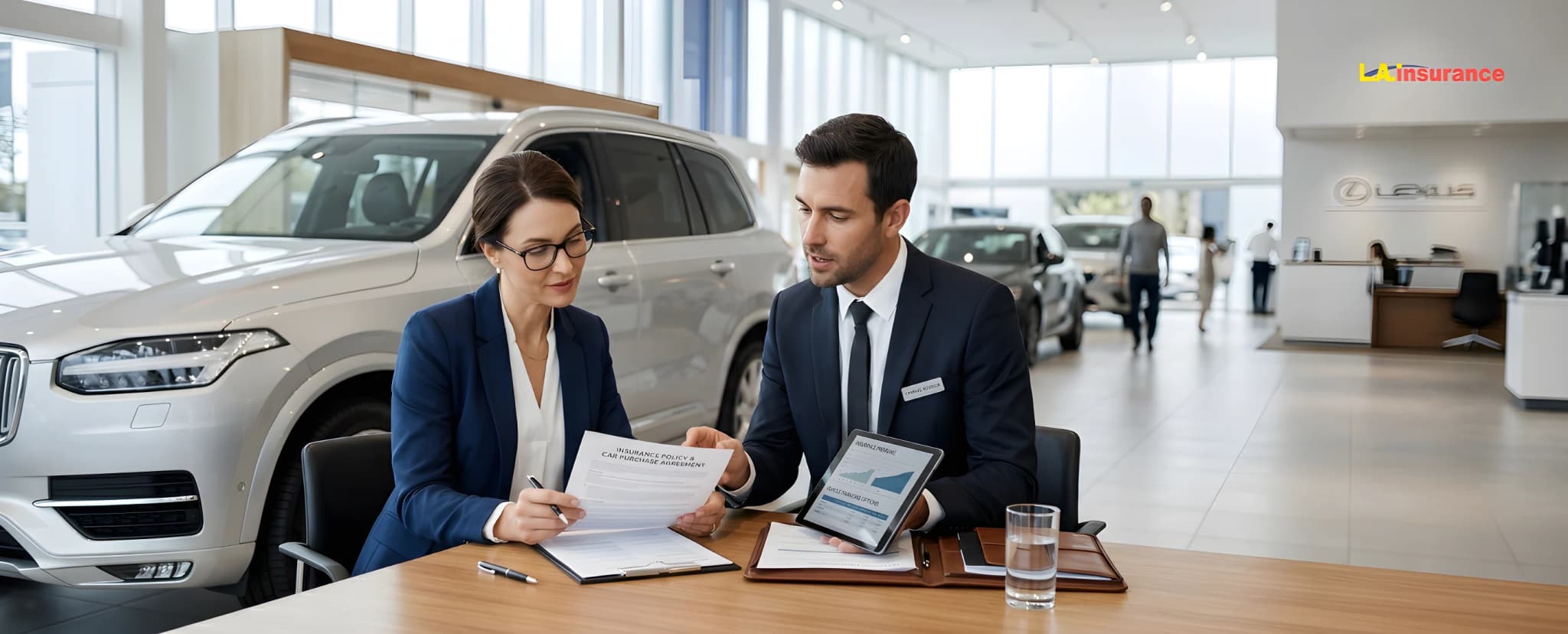
When you buy a car from a dealership, things move quickly once you’re ready to finalize the deal. First, you choose the car and agree on the price. Then you head into the finance office to sign paperwork. At this point, many buyers think they’re done. However, this is usually when the dealership asks for proof of car insurance requirements.
If you already have a car insurance policy, you can call your insurer and add the new car. In many cases, they’ll email or text proof within minutes. If you don’t have insurance yet, you’ll need to set up a policy on the spot before you can leave.
This step matters because the dealership doesn’t want you driving off uninsured. In addition, if you’re financing the car, the lender will require active liability coverage, along with collision and comprehensive, before approving the loan.
Once you show proof of insurance, you finish signing, get your documents, and then you can drive the car home.
Why Do Dealerships Require Insurance Before You Leave?
In most cases, dealerships will require proof of insurance before you can drive the car off the lot. Here’s why dealerships ask for proof before handing over the keys:
- The car will be driven on public roads, so car insurance requirements apply
- Dealerships want to avoid liability if you leave uninsured
- Lenders require full liability coverage, plus collision and comprehensive for financed cars
- In most states, you can’t complete registration without proof of insurance
Because of this, you should be ready to show proof before you take delivery. With many insurance providers, you can set up car insurance coverage the same day and show it from your phone.
Do You Need Insurance When Buying a Car from a Private Seller?
No, not immediately. But you’ll need it once you need to drive the vehicle.
Buying from a private seller feels simpler. There’s no finance office, no dealership process, and usually no one asking for proof of insurance during the sale.
However, the rules don’t change once you take the car on the road.
You can pay for a car and take ownership without showing proof of insurance. But you still can’t legally drive it home unless you meet your state’s minimum auto insurance requirements. For example, in Michigan, you must carry Personal Injury Protection (PIP), Property Protection Insurance (PPI), and liability coverage under the state’s no‑fault system. In nearly every other state, proof of insurance is required before you can register the vehicle and get plates.
The only exception is New Hampshire, where drivers can opt out if they prove financial responsibility. Everywhere else, driving without insurance exposes you to fines, penalties, and liability risks.
This is where many buyers get caught off guard. With a dealership, they guide you through the process. With a private seller, you’re on your own. So you need to plan ahead.
Here’s what typically changes when buy a car from a private seller:
- No one checks your insurance at the time of sale
- You’re responsible for setting up coverage before driving
- You’ll need proof of insurance for registration
- You may need temporary plates or a trip permit, depending on your state
That’s why it’s smart to have a policy ready before you meet the seller. You can set up liability coverage in advance and activate it as soon as you finalize the purchase. So even though the buying process is more flexible, the requirement stays the same. You still need insurance before the car moves.
How Soon After Buying a Car Do You Need Insurance?
You need insurance before you drive the car, not after.
In most cases, your coverage should start on the same day you buy the car. That’s because you can’t legally drive without meeting auto insurance requirements, and dealerships won’t release the car without proof. So the timing is simple. If you plan to drive the car home, your insurance needs to be active before you leave.
If You Already Have Car Insurance
If you already have a policy, you usually don’t need to start from scratch.
In this case, your insurer may give you a short grace period, typically between 7 and 30 days to add the new car. However, this only extends your current liability coverage and limits. It doesn’t upgrade your protection. So, if you’re financing the vehicle, this won’t be enough!
Apart from that, during that time:
- Your existing coverage carries over to the new car
- You still need to officially add the vehicle to your policy
- The coverage level stays the same as your current policy
That last part matters. If you only have liability coverage, your new car won’t be fully protected until you update your policy. Also, not every insurer offers a grace period. And if you don’t already have a policy, this doesn’t apply at all.
Even if you’re covered temporarily, it’s best to contact your insurer right away and update your policy before you drive. If you’re a policyholder of L.A. Insurance, call us at (800) 893-9393 or consult an insurance agent.
If This Is Your First Car
If you don’t already have insurance, you’ll need to set up a new policy before you drive the car.
There’s no grace period in this case. Without an active policy, you’re considered uninsured, which means you can’t legally drive or register the vehicle. The good news is, getting insured is usually quick. Many companies let you:
- Get a quote online in minutes
- Start coverage the same day
- Show proof of insurance from your phone
To make things easier, try to get a quote before you finalize the purchase. If you have the vehicle details or VIN, you can set everything up ahead of time and activate coverage when you’re ready. So if this is your first car, plan one step ahead. Set up your policy before you take the keys, and you’ll avoid delays at the dealership or seller.
How to Get Insurance Before You Buy a Car
Getting insurance before you buy a car is quite straightforward. Even if you’re getting car insurance for the first time, you shouldn’t feel overwhelmed about it. In fact, you can set everything up in minutes if you’re prepared.
The key is to have a plan before you reach the dealership or meet the seller. And that’s how you don’t feel rushed when it’s time to drive the car home. So, here’s how it usually works.
1. Have a Car in Mind
You don’t need to own the car yet, but you should know what you’re planning to buy. Insurance rates depend on the vehicle, so having the make, model, and year helps you get an accurate quote. If you have the VIN, even better. That gives you the most precise pricing.
2. Get Quotes Ahead of Time
Before you buy, take a few minutes to compare options. Most insurers let you get a quote online or by phone in just a few minutes. This helps you:
- Understand your monthly cost
- Avoid surprises at the dealership
- Choose the right liability coverage or full coverage
3. Gather the Information You’ll Need
Before you start a policy, insurers will ask for a few details. So, if you know what you need to get car insurance makes the process much faster. You’ll usually need:
- Vehicle details or VIN
- Your driver’s license
- Address where the car will be registered
- Estimated mileage or usage
- Lender or leasing company (if financing)
4. Choose Your Coverage and Start Date
When you’re ready, select your preferred types of car insurance coverage and set the start date. In most cases, you’ll want your policy to begin the same day you buy the car. That way, you meet all car insurance requirements before driving. If you’re unsure about how much coverage you need for auto insurance, you can talk to an expert or contact your insurance provider directly.
5. Buy the Policy and Activate Coverage
Once you choose a plan, you’ll pay your first premium. After that, your coverage can start right away. Many companies offer same-day activation, so you don’t have to wait.
6. Get Proof of Insurance
After activation, you’ll receive proof of insurance. This can be:
- a digital ID card
- a binder sent by email
- or a document you can show from your phone
You’ll need this before leaving the dealership or driving the car home.
A quick tip before you go: You can also set everything up in advance and just activate it when you finalize the deal. Thus, you avoid delays and can focus on the purchase itself.
What Happens If You Drive Your New Car Without Insurance?
Auto Insurance is legally mandatory in nearly every state. So, driving without car insurance can lead to serious consequences, even if it’s just a short trip home. In most states, it’s illegal to drive without meeting car insurance requirements. If you’re caught, the penalties can add up quickly. Here’s what you could face:
- Fines that can range from a few hundred to several thousand dollars
- License suspension or revocation
- Vehicle registration suspension
- Your car being impounded in some cases
- Higher insurance rates when you try to get coverage later
In addition, if you cause an accident without insurance, you’ll be responsible for the damage out of pocket. That can include repairs, medical bills, and even legal costs.
Some states also require proof of future coverage, often called an SR-22, before you can drive again. That makes insurance more expensive and harder to maintain.
Despite how easy it might seem to ‘just drive it home,’ the risk isn’t worth it. It’s always safer to have liability coverage in place before the car moves.
Before You Go to the Dealership: Quick Checklist
A little prep saves time. It also helps you avoid delays when it’s time to drive home.
Here’s what to have ready:
- Get a quote in advance. Know your price before you step in.
- Choose your liability coverage vs. full coverage. Financing will require more.
- Set your policy start date. It should match the day you pick up the car.
- Have your driver’s license ready. You’ll need it to bind coverage.
- Keep your insurer’s contact or app open. You may need quick changes.
- Gather vehicle details if possible. VIN, make, and model help speed things up.
- Know your lender info if financing. Insurers will ask for it.
- Plan how you’ll show proof. Digital ID card or binder works.
- Confirm your state’s car insurance requirements for registration.
- Be ready to activate coverage on the spot. Most policies start within minutes.
Do You Have to Have Insurance to Buy a Car: FAQs
Why do you need insurance to buy a new car?
You don’t need insurance just to buy a new car. However, you do need it before you drive it. That’s because car insurance requirements apply once the vehicle is on the road. In addition, dealerships and lenders often require proof of liability coverage or full coverage before you can take the car home.
Do you need to get insurance if you buy a used car?
Yes, the same rules apply to used cars. You can buy the vehicle without insurance, but you must have coverage before you drive it. In most states, you’ll also need proof of insurance to register the car and get plates. So whether the car is new or used, you still need to meet car insurance requirements before driving.
Can you buy a car without insurance from a dealership?
Yes, you can buy a car from a dealership without insurance. However, you won’t be able to drive it off the lot without showing proof of coverage. Dealerships require this to ensure you meet legal requirements and, if you’re financing, to satisfy lender rules for liability coverage and full coverage.
How long do you have to get insurance after buying a car?
You typically need insurance before you drive the car, which means the same day you buy it. If you already have a policy, your insurer may offer a short grace period to add the new vehicle. However, this varies by company and does not apply if you don’t already have insurance. The safest approach is to have coverage active before you leave.
Can you drive a car home after buying it without insurance?
No, you can’t legally drive a car home without insurance in most states. Driving without meeting car insurance requirements can lead to fines, license suspension, and other penalties. Even if the purchase is complete, you must have at least liability coverage in place before the car is driven.
Can you get Insurance the Same Day You Buy a Car?
Yes, most insurance companies offer same-day coverage. You can get a quote, choose your coverage, and activate your policy within minutes. Once your policy starts, you’ll receive proof of insurance, which you can show at the dealership or keep on your phone when driving home.
Editorial Disclaimer
The resources on this blog are researched and created by experienced insurance writers, then fact-checked and verified for accuracy to provide clear, general informational guidance. This content does not constitute professional insurance, legal, or financial advice. Coverage options and premium rates are subject to individual eligibility, underwriting guidelines, and state availability. For specific questions regarding your policy or to get an accurate quote, please contact a licensed L.A. Insurance agent directly. We're an independent agency and not a direct insurance carrier. For more information on how we operate and handle your data, please see our Terms and Conditions and Privacy Policy.
Tag :
fast car insurance
cheap car insurance
car maintenance

What is Permanent Life Insurance?
Wouldn’t it be helpful to have a life insurance policy that provides lifelong coverage and can also build cash value over time? That’s where permanent life insurance comes in.

What is Term Life Insurance?
Term life insurance is a type of life insurance policy that provides coverage for a specific period, generally 10, 15, 20, 30, or even 40 years.

Types of Life Insurance and How They Differ?
If you’re shopping for life insurance, you’ve probably come across different types of life insurance, such as term life insurance, whole life insurance, and universal life insurance.

What Is Life Insurance?
If you’re thinking about getting a life insurance policy, it’s important to understand what it is and how it works. Simply put, life insurance is a type of financial protection that provides money to your chosen beneficiaries after your death.

Does Car Insurance Cover Rust Damage?
Rust can damage many parts of your car and may become more severe over time if left untreated.
Does Insurance Cover a Tree Falling on Your Car?
Whether your car is parked out in the open under or near a tree, or you’re driving when a tree suddenly falls on your car, either way, it can leave your car severely damaged or even wrecked.