Publish Date: 17-03-2026
Commercial Auto Insurance
Last Updated: 19-10-2026
Are Trailers Covered Under Commercial Auto Insurance?
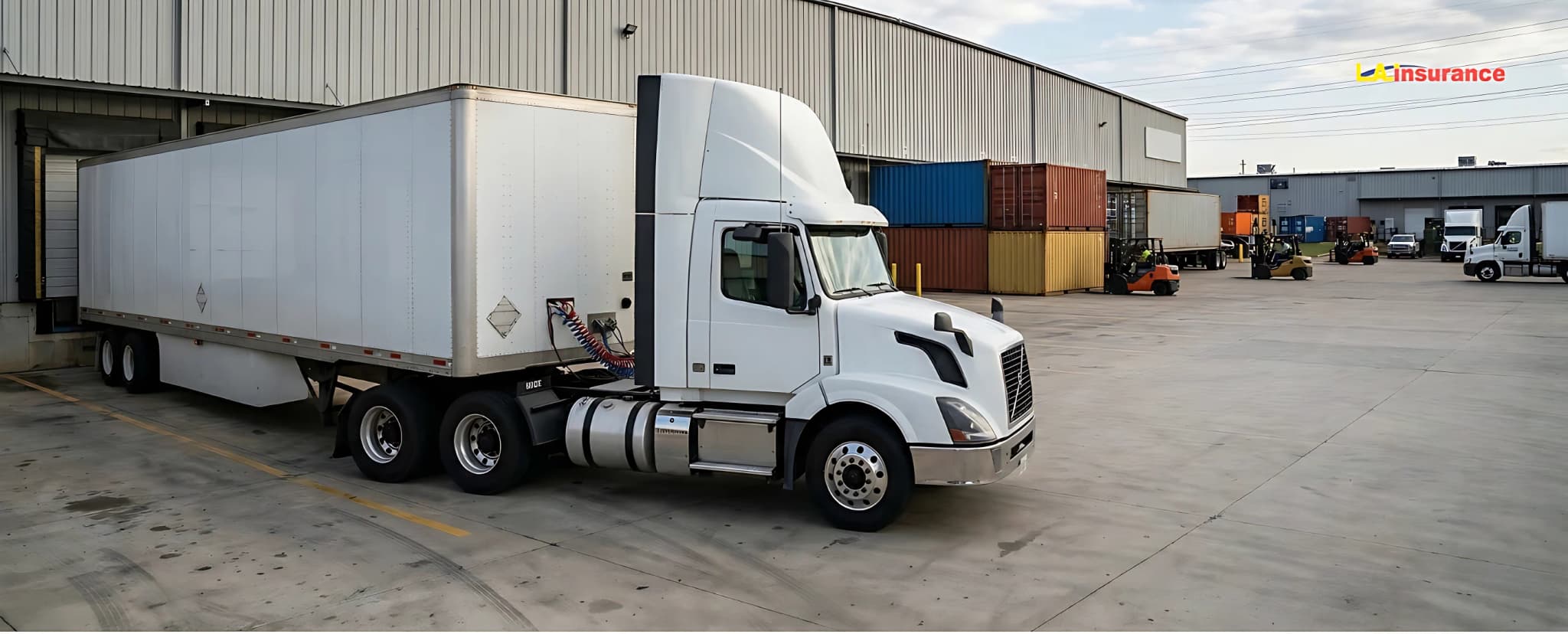
If you’re running a business that requires the distribution of products, livestock, and even vehicles, you definitely need a trailer to carry them. This means that if the truck carrying the trailer gets into an accident, it can damage the products and lead to a significant loss to your business.
According to FMCSA, here are the following large truck crash records in the last 3 years.
- Truck Crashes in 2022: 164,537
- Truck Crashes in 2023: 154,565
- Truck Crashes in 2024: 150,953
- Truck Crashes in 2025 (Till 2nd Quarter): 39,020
Based on the number and frequency of truck accidents in the U.S., it is still alarmingly high. There's a substantial chance that your truck can get into an accident, and this can wreck your trailer and spoil any product that you’re transporting.
So, if you’re using a trailer to distribute products, your business is at substantial risk of incurring tremendous loss, unless it’s covered by commercial auto insurance.
In this article, we’ll break down whether commercial auto insurance covers trailers, what types of coverage are available, and why having the right protection is critical to safeguarding your business.
Does Commercial Auto Insurance Cover Trailers?
Yes, commercial auto insurance does cover trailers; in fact, there are different types of coverage that you can consider for adequate financial protection, depending on your requirements and budget.
Starting from standard commercial auto insurance to specialized coverages, there are multiple ways you can financially secure your trailer and the cargo it carries.
It is crucial to ensure that your trailers are financially protected. If you’ve rented the trailer, you will have to pay the repair/replacement costs to the trailer rental company. If you own the trailer, these costs directly fall on your business.
Either way, if the trailer gets damaged or stolen, it can incur significant costs for your business. The average purchasing price of trailers ranges from a few hundred dollars to over $100,000. So, whether you have rented a trailer or invested capital in it, without the right coverage, your business could face substantial financial losses.
Tip: If you’re shopping for trailer insurance, prioritize exploring a reliable insurance agency that offers affordable commercial auto insurance with a wide range of coverages and flexible options that suit your budget.
Standard Commercial Auto Insurance Coverages for Trailers
If you’re exploring commercial auto insurance for trailers, there are different types of auto insurance to consider, which include a combination of both standard and additional coverages for effective financial protection.
The standard commercial auto insurance for trailers is highly essential as it includes liability auto insurance, collision auto insurance, and comprehensive auto insurance. Typically, these three insurance coverages are necessary to cover your trailer from accidents and unprecedented incidents such as theft, vandalism, and natural disasters.
Here’s a detailed breakdown that explains how each of these standard commercial auto insurance coverages provides financial protection for trailers.
Commercial Liability Auto Insurance
Typically, as commercial trailers are often used to carry heavy loads, crashing into another vehicle can cause severe damage, especially to the other driver. Legally, if your business’s trailer hits another vehicle, and if your company’s driver is at fault here, then your business is liable to cover the other vehicle’s repair and replacement costs.
Additionally, if any third party gets harmed by the accident and requires treatment, whether it’s the other driver, their passengers, or pedestrians, your company is liable to cover their medical bills and loss of income.
If you don’t have commercial liability coverage, then you need to cover these expenses from your business’s capital. The situation can get from bad to worse if the other driver sues you. Commercial liability auto insurance also covers legal costs and fines.
So, that’s why it’s essential to ensure adequate commercial liability coverage, especially if you’re using trailers for commercial purposes.
Collision Auto Insurance
If your trailer crashes into another object, a vehicle, or accidentally flips over, it can get severely damaged. With collision auto insurance, you can cover your trailer’s repair or replacement costs up to your coverage limit, regardless of who is at fault for the accident.
If you own the trailer, the collision auto insurance will cover significant repair/replacement expenses. On the other hand, if the trailer is rented or financed, you can provide financial compensation by claiming your collision auto insurance.
This can essentially save your business from lawsuits and even prevent your business capital from bleeding out, especially if it leads to hefty financial costs.
Comprehensive Auto Insurance
Apart from typical crashes, your trailer is susceptible to theft, vandalism, and unexpected events such as fire outbreaks and natural disasters. No matter how careful you are, these incidents can happen anywhere and at any time.
Trailers are often targeted by thieves, especially because they’re mainly used to transport various products. Plus, depending on the size and type of your trailer, it can also be expensive, such as heavy-duty/large trailers used for distributing business goods.
Accidents such as fire outbreaks and natural disasters like floods, tsunamis, and dangerous storms such as hurricanes can severely damage and even wreck your trailers. In any of these unprecedented incidents that can damage your trailer, comprehensive auto insurance will cover its repair or replacement costs up to the coverage limit.
Specialized Types of Commercial Auto Insurance for Trailers
While the standard commercial auto insurance financially protects your business when your trailer gets into an accident. There are additional commercial insurance coverages that you can use for necessary and enhanced financial protection, which include specialized commercial auto insurance coverage for trailers as follows.
Trailer Interchange Insurance
If you run your business distribution using rented trailers, then it is essential for you to consider trailer interchange insurance. The trailer interchange insurance is designed to cover trailers that you don’t own.
When you rent trailers or get them on a subcontract from another company, you may get different trailers interchangeably. As you don’t own these trailers, standard commercial insurance such as collision and comprehensive coverage may not apply.
So, an alternative you can use your trailer interchange insurance to cover theft, vandalism, and accidents from collision, fire, explosion, and natural disasters.
Cargo Trailer Insurance
Typically, standard commercial auto insurance doesn’t cover the contents inside the trailer. So, if you want to financially protect both the trailer and the content inside it, then it’s essential for you to consider cargo trailer insurance.
Additionally, cargo trailer insurance includes components of a standard commercial insurance policy, such as liability coverage, collision, and comprehensive coverage. As cargo trailer insurance is a type of inland marine insurance, it covers the trailer itself and the goods that are being transported in it.
Utility Trailer Insurance
Utility trailer insurance is a special type of commercial auto insurance that’s specifically designed to cover utility trailers and anything that you’re carrying in them. Plus, it also includes liability, collision, and comprehensive coverage.
If you transport products using utility trailers, then you should consider adding it to your commercial auto insurance policy to financially safeguard the trailer and the items that you’re transporting.
Earner Freight Coverage
It is crucial for businesses to ensure that the products are safely delivered. But if the products get damaged while they’re being transported in a trailer due to an accident, or if they get stolen, it could lead to a disastrous loss for your business.
So, if you specifically want to ensure that your products are covered while they’re being shipped, you should consider the earner freight coverage. The earner freight coverage is a commercial auto insurance policy that’s specifically designed to cover loss of revenue when a load cannot be delivered.
In Which States is Trailer Insurance Mandatory?
Trailer insurance is legally mandatory in just two states in the U.S., which include Michigan and California. Here are the following requirements for trailer insurance in both of these states as follows.
- Michigan: According to the Michigan Legislature, it is legally mandatory to acquire insurance if your trailer has more than 2 wheels. Typically, a trailer with more than two wheels is deemed a motor vehicle. Just to be clear, if your trailer has 2 wheels or fewer, then you’re not legally required to carry trailer insurance.
- California: In California, it is legally mandatory to carry trailer insurance if your trailer weighs more than 750 pounds unladen. You have the option to either add the trailer to your existing commercial auto insurance policy, or you can even get a separate standalone policy for your trailer.
The Business Risk of Uninsured Commercial Trailers
If you haven’t considered insuring your commercial trailers, your business is at substantial financial risk of the following outcomes.
- Loss of Business Asset: If the trailers are owned by your business, losing them in an accident or theft means you lose valuable assets. The investment that you have made in purchasing the trailer would be a total loss.
- Bleeding out Business Capital: Without trailer insurance, your business may need to cover liability claims, repair or replacement costs, and even employee medical bills out of pocket. These unexpected expenses can strain your working capital and disrupt business operations.
- Business Interruption: If your trailers are out of service and you don’t have the funds to repair or replace them, your entire business can come to a standstill, which can lead to severe loss of revenue.
- Regulatory and Legal Penalties: Operating a commercial trailer without proper insurance may violate state or federal regulations, especially in jurisdictions where trailer insurance is mandatory, such as Michigan and California. This can lead to fines, penalties, suspension of registration, or even legal action, putting your business's operating license at risk.
The Bottom Line: Should I Get Commercial Trailer Insurance?
Yes, you should definitely consider getting commercial trailer insurance, especially if you want to protect your business investment. Whether you have rented the trailers or purchased them, you’ve already invested a substantial amount of your business capital.
Not to mention, without commercial trailer insurance, your business is at risk of significant financial loss. So, if you want to financially secure your trailers and any business inventory that it carries, it is crucial to consider purchasing commercial trailer insurance.
If you need professional guidance to determine commercial auto insurance coverage for your trailers, you can find an insurance agent nearby and book a free consultation, or you can even contact us if you’re interested in getting a free quote today!
FAQ
Does commercial vehicle insurance cover trailers?
Yes, commercial vehicle insurance does cover trailers, and there are multiple coverage options depending on the trailer’s value, type, and intended use. Commercial trailer insurance includes coverage such as liability insurance, collision auto insurance, comprehensive auto insurance, trailer interchange insurance, cargo trailer insurance, utility trailer insurance, earner freight coverage, and more. However, if you use your trailers for both personal and commercial purposes, you do need both commercial and personal auto insurance to fully protect your asset financially.
Do you need commercial insurance for a trailer?
Yes, if your trailer is used for business purposes, commercial insurance is essential. Commercial trailers are generally at higher risk for theft or damage due to frequent use and the valuable goods they often carry. Having the right insurance helps protect your business from costly losses.
Does commercial auto insurance cover rental trailers?
Yes, commercial auto insurance covers rental trailers; you can add trailer interchange insurance to financially secure your rental trailers. The trailer interchange insurance is specifically designed to cover trailers that you don’t own, so that’s why it can be specifically used to cover rental trailers.
What kind of insurance do you need for a trailer?
If you want to financially protect your trailer, you need standard insurance coverage such as liability coverage, collision coverage, and comprehensive coverage. If you want to ensure additional financial protection, you can consider other coverage options such as trailer interchange insurance, cargo trailer insurance, utility trailer insurance, and earner freight coverage.
Editorial Disclaimer
The information provided on this blog is for general informational purposes only and does not constitute professional insurance, legal, or financial advice. Coverage and rates are subject to individual eligibility, underwriting guidelines, and state availability. For specific questions regarding your policy or to get an accurate quote, please contact a licensed L.A. Insurance agent directly. We're an independent agency and not a direct insurance carrier. For more information on how we operate and handle your data, please see our Terms and Conditions and Privacy Policy.
Tag :
Comercial Auto
Auto insurance

What is Permanent Life Insurance?
Wouldn’t it be helpful to have a life insurance policy that provides lifelong coverage and can also build cash value over time? That’s where permanent life insurance comes in.

What is Term Life Insurance?
Term life insurance is a type of life insurance policy that provides coverage for a specific period, generally 10, 15, 20, 30, or even 40 years.

Types of Life Insurance and How They Differ?
If you’re shopping for life insurance, you’ve probably come across different types of life insurance, such as term life insurance, whole life insurance, and universal life insurance.

What Is Life Insurance?
If you’re thinking about getting a life insurance policy, it’s important to understand what it is and how it works. Simply put, life insurance is a type of financial protection that provides money to your chosen beneficiaries after your death.

Does Car Insurance Cover Rust Damage?
Rust can damage many parts of your car and may become more severe over time if left untreated.
Does Insurance Cover a Tree Falling on Your Car?
Whether your car is parked out in the open under or near a tree, or you’re driving when a tree suddenly falls on your car, either way, it can leave your car severely damaged or even wrecked.