Publish Date: 29-04-2026
Auto Insurance
Last Updated: 19-05-2026
What Happens If You Do Not Pay Car Insurance
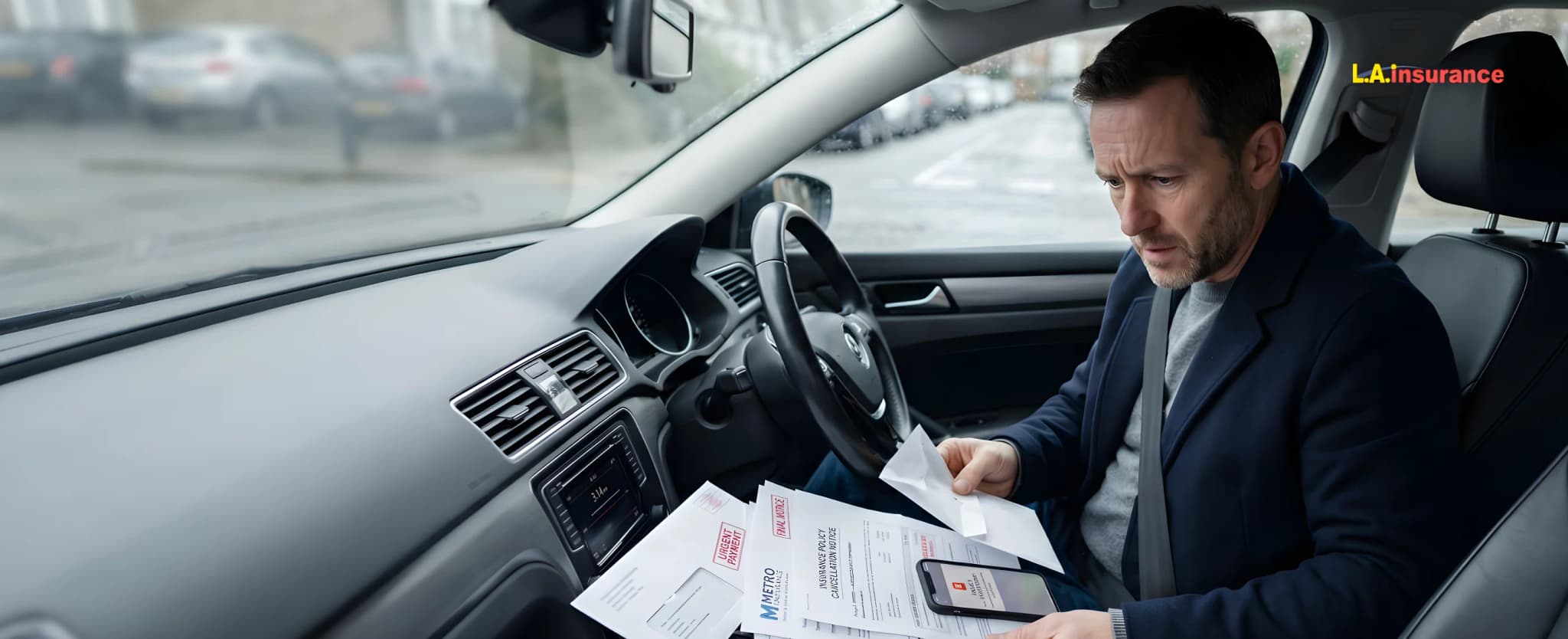
If you don’t pay your car insurance premium, your coverage doesn’t just pause. It can lapse, and that means you’re no longer protected on the road. So, if something happens during that time, you could end up paying for damage, injuries, and even legal costs out of pocket.
At first, it may not feel urgent. Most insurers send reminders and may offer a short insurance grace period after a missed car insurance payment. But if you still don’t pay, your policy can move toward policy termination for non-payment, and that’s where things start to get serious.
Once your coverage ends, even a short car insurance lapse can follow you. It can affect your record, raise your future premiums, and limit your options when you try to get insured again. So, what starts as a simple missed bill can quickly turn into a huge financial and legal problem if you don’t act early.
In this article, you’ll see exactly what happens if you don’t pay car insurance, and what you can do before it gets worse.
What Happens If You Miss a Car Insurance Payment?
Missing a car insurance payment doesn’t cancel your policy right away. Most insurers give you a short window to catch up, so you still have time to fix the issue. But that window is limited, and things can move quickly if you don’t respond. Because of that, even a small delay can start a chain of events that leads to auto insurance cancellation. So, it’s important to understand what happens next and act early before your coverage is at risk.
You’ll Receive a Payment Reminder
The first thing you’ll notice is a payment reminder from your insurance provider. This usually comes within a few days after a missed car insurance payment, and it may arrive by email, text, or mail. At this stage, your car insurance coverage is often still active, so you haven’t lost protection yet. But this is your early warning, and it’s meant to give you time to catch up before anything changes. If you act quickly, you can usually avoid late fees, notices, or further complications.
You May Get a Grace Period
After the reminder, many insurers give you a short insurance grace period to make your payment. This usually lasts between 7 and 30 days, though it depends on your policy and state rules. During this time, your car insurance coverage may still stay active, so you’re not immediately uninsured. But that doesn’t mean you’re fully in the clear, because missing the deadline can still lead to policy termination for non-payment. That’s why it’s important to pay as soon as you can, since waiting too long can quickly turn a small delay into a car insurance lapse.
You Might Receive a Late Fee
If your payment is still unpaid during the insurance grace period, your insurer may add a late payment fee to your bill. This fee is usually small, between $5 to $25. But it signals that your account is falling behind. At this point, your car insurance coverage may still be active, but the risk of policy termination for non-payment is getting closer. Because of that, the longer you wait, the more it can cost you, both in fees and potential consequences. So, it’s best to clear the balance early before it gets worse.
You’ll Get a Cancellation Warning
If the payment still doesn’t go through, your insurer will send a cancellation notice. This is more serious because it evidently states when your auto insurance policy will end if the balance isn’t paid. You’ll usually get a specific deadline, and once that date passes, there’s little room left to fix it. Up to this point, you still have a chance to keep your coverage active, but time is running out. So, if you’ve been putting it off, this is the moment to act before it turns into a policy termination for non-payment.
Your Coverage May Be Terminated
If the payment still isn’t made by the deadline, your auto insurance policy will be canceled. At that point, your car insurance coverage stops, and you’re no longer insured to drive. This is known as policy termination for non-payment, and it marks a clear break in your protection. From here, even a short gap can register as a car insurance lapse, which insurers pay close attention to later. So once your coverage ends, you’re stepping into a situation where both legal exposure and future costs can rise quickly.
What Happens After Your Car Insurance Is Canceled for Non-Payment
When your car insurance policy is canceled, the situation escalates very fast. Your coverage ends immediately, which creates a coverage lapse that insurers and the DMV track closely. Even a brief lapse can carry financial consequences, such as fees for the days you were uninsured. For example, in New York, drivers may have to pay $8 per day for up to 30 days during the lapse. Beyond fees, the longer you go without coverage, the more your future car insurance rates are likely to increase.
You’ll Have a Coverage Lapse
A canceled policy leaves you temporarily uninsured, which is officially recorded as a car insurance lapse. This lapse can impact your next policy, with insurers often increasing rates based on the duration of the gap. ValuePenguin reports that a 15-day lapse could push your new auto policy rate up roughly 8%, while a 45-day gap might result in a 24% increase. Additionally, your state may require proof of coverage, and failure to maintain insurance could lead to suspended registration or driving privileges. The key is that even short lapses have real financial and legal effects, so addressing them quickly is critical to limiting long-term consequences.
Driving Without Insurance Becomes Illegal
Once your car insurance coverage ends, driving on public roads becomes illegal. Every state requires (minus New Hampshire) proof of insurance to operate a vehicle, and many insurers automatically notify the DMV when a policy lapses. If you drive without coverage, you risk fines, license suspension, or even registration revocation. In addition, getting caught could force you to file an SR-22 certificate to reinstate your driving privileges. Because of these legal consequences, it’s critical to avoid driving until your coverage is fully reinstated.
Your Future Insurance Rates Will Increase
Once your car insurance policy ends, insurers consider you a higher-risk driver. Even brief gaps in coverage can affect how much you pay when getting a new policy. Companies often respond by adjusting rates upward, reflecting the uncertainty of timely payments. The longer the lapse, the more cautious insurers become, which can result in steeper premiums. Acting quickly to secure a new policy or reinstate your previous one helps reduce the financial impact and shows insurers that you are a responsible driver.
You May Be Labeled High-Risk
Once a lapse is recorded, some insurance companies may classify you as a high-risk driver. This can limit your options, as fewer insurers may offer coverage, or they may require specialized policies with higher rates. Being labeled high-risk can follow you for several years, affecting your ability to switch insurance providers easily. Besides higher costs, it can make qualifying for discounts or low-risk programs more difficult. Therefore, preventing a lapse or addressing it immediately is essential to avoid long-term consequences for your car insurance record.
Your Insurance Record Takes a Hit
When your coverage ends because of non‑payment, it doesn’t just disappear from view. That lapse gets noted on industry databases that insurers use to evaluate risk, and it can stay on your insurance record for 6 months to 5 years. This means future companies may see the gap and view you as less dependable, even if you’ve had a clean driving history otherwise. Because of that, you could face higher quotes or limited options when shopping around. So preventing or quickly correcting a lapse helps protect not just your wallet today, but your standing with insurers down the road.
Your Lender May Step In If Your Car Is Financed
If you still owe money on your car, your lender has a stake in your vehicle staying protected. Most financing agreements require continuous auto insurance coverage as a condition of the loan. When your policy lapses, the lender may buy a policy on your behalf, known as force‑placed insurance, to protect its investment. The catch is that these force‑placed policies tend to cost much more and offer minimal protection. If you don’t pay for that coverage, your lender could move toward repossession, because they see the unpaid vehicle as an unprotected asset. That’s why staying insured matters not just for you, but for keeping your car in your driveway.
You Might Need to File an SR-22 (In Some Cases)
In some situations, a car insurance lapse can lead to additional state requirements before you can drive again. If your license gets suspended for driving without coverage, the state may require an SR-22 certificate or FR-44 (Florida and Virginia) as proof that you now carry valid insurance. This isn’t a separate policy, but a form your insurer files to confirm continuous coverage going forward. Because of that, insurers often treat SR-22 drivers as higher risk, which can raise your car insurance premium. So once this requirement is in place, you’ll need to maintain consistent coverage, or you could face further penalties or extended restrictions.
Real-Life Example of What Happens When You Don’t Pay Your Auto Insurance Bill
In one online discussion, a driver shared what happened when they couldn’t keep up with their car insurance payment. They had just lost their job, and their premium suddenly increased because of the household driver rules. So naturally, they thought about skipping a payment until their next paycheck.
At first, nothing seemed urgent. The insurer didn’t cancel the policy right away, and there was still a short window to catch up. But as they looked deeper, they realized a missed car insurance payment could quickly lead to a coverage lapse, and in some states, that can trigger automatic updates to the DMV.
Other drivers in the same discussion pointed out something many people don’t expect. A car insurance lapse doesn’t just end your current policy. It stays on your record, and because of that, future insurers may raise your rates or limit your options when you try to get covered again.
There was also a financial angle that caught attention. Even after cancellation, you may still owe money for the days your policy was active. And if your car is financed, your lender could step in with force-placed insurance, which often costs more and offers less protection.
In the end, the driver managed to get a short extension and avoided cancellation. But the situation shows how quickly things can get worse. What starts as a temporary delay can lead to long-term consequences if you don’t act early.
What Is a Lapse in Car Insurance Coverage and Why It Matters
A car insurance lapse means there’s a gap between when your old policy ends and your new one begins. Even if it’s just a few days, insurers and state agencies still count it as a break in coverage. That matters because continuous coverage is something insurers look for when pricing your policy. So when there’s a gap, it signals risk, even if nothing actually happened during that time.
Because of that, a coverage gap in auto insurance can lead to more than just higher rates. Some states may flag your record, and in certain cases, your registration or driving privileges could be affected. Insurers may also limit your options or require stricter terms when you apply again. So, while it may seem like a short pause, it can carry long-term consequences that follow you beyond the missed payment.
How Long Is the Grace Period for Car Insurance Payments?
Most insurers offer an insurance grace period after a missed payment, but the length can vary. In many cases, it ranges from about 7 to 30 days, depending on your provider and state rules. During this time, your car insurance coverage may still remain active, which gives you a chance to catch up without losing protection right away. However, not every policy works the same way, so it’s important to check your specific terms.
Even within a grace period, delays can still trigger late fees or warning notices. And once that window closes, your policy can move quickly toward cancellation. Because of that, it’s best not to rely on the full timeframe if you can avoid it. Paying early keeps your coverage intact and helps you avoid the complications that come with a lapse.
What to Do If You Miss a Car Insurance Payment?
If you’ve missed a car insurance payment, don’t panic, but don’t ignore it either. What you do next can make the difference between keeping your coverage and facing a car insurance lapse. Most insurers give you a short window to fix things, so acting early keeps your options open. The goal is simple. Restore your coverage before it turns into a bigger issue on your record.
Here’s what you should do right away:
- Pay the missed amount as soon as possible: The sooner you pay, the better your chances of avoiding cancellation or extra fees.
- Check if you’re still within the insurance grace period: If you are, your car insurance coverage may still be active, so you can fix things without a gap.
- Call your insurance company: Sometimes, they can offer a short extension or help you reinstate your policy quickly.
- Ask about reinstatement options: If your policy was canceled, you may still be able to restore it instead of starting over.
- Avoid driving until your coverage is confirmed: Even a short gap can expose you to legal and financial risk.
Taking these steps early can help you stay protected and avoid long-term consequences tied to a missed car insurance payment.
What Should I Do If I Can’t Afford Auto Insurance?
If you’re struggling to pay your car insurance premium, you’re not alone, and skipping payments isn’t your only option. The key is to adjust your situation before it turns into a car insurance lapse, because once coverage ends, costs usually go up. So instead of letting the policy cancel, it’s better to look at ways to lower your car insurance or find support that fits your situation.
You can start by reviewing your coverage and removing extras you may not need right now, or by raising your deductible to bring down your monthly cost. Also, shopping around for affordable car insurance or asking about discounts can sometimes uncover better rates without reducing essential protection. In some cases, state programs or low-cost insurance options may be available, depending on where you live and your eligibility.
Learn more: What to do if you can’t afford car insurance?
How to Avoid Missing Car Insurance Payments in the Future?
Missing a car insurance payment once can happen, but repeating it can lead to bigger financial setbacks. The good news is that a few simple habits can help you stay on track and avoid another coverage gap in auto insurance. Most of it comes down to planning ahead and setting up systems that work for your routine. So instead of reacting later, you can stay in control from the start.
Here are a few practical ways to avoid missing payments:
- Set up automatic payments: This is one of the easiest ways to keep your policy active without thinking about due dates.
- Turn on payment reminders: Text or email alerts can give you a heads-up before your bill is due.
- Choose a payment schedule that fits your income: Monthly, quarterly, or pay-in-full options can make a difference depending on your budget.
- Review your policy regularly: If your rate feels too high, adjusting coverage or discounts can help you keep payments manageable.
- Keep a small buffer in your account: Even a little extra can prevent missed payments during tight months.
Penalties for Driving Without Insurance
If you stop paying for your car insurance and your coverage ends, driving without it can lead to serious consequences. In most states, having active insurance is required by law, so once your policy is gone, you’re no longer legally allowed to drive. If you’re caught without insurance, you could face fines, license suspension, or even registration issues, depending on your state. And in some cases, your insurer may already have reported the coverage lapse to the DMV, which can trigger penalties automatically.
The financial side can hit just as hard. If you’re involved in an accident without insurance, you may have to pay for property damage, medical bills, and legal costs out of pocket. That can quickly become overwhelming, especially if injuries are involved. Because of that, even a short time driving uninsured can carry risks that go far beyond a simple ticket. So once your coverage ends, it’s best to avoid driving until your car insurance coverage is fully restored.
Final Thoughts
Missing a car insurance payment can happen but letting it go too far can cost you more than expected. What starts as a small delay can lead to a car insurance lapse, higher rates, and legal trouble if you keep driving. So, you should always act early, stay informed, and keep your coverage active. Even a quick call or payment can prevent long-term consequences and keep you protected on the road.
FAQs About What Happens If You Don’t Pay Car Insurance
What happens if you miss a car insurance payment by a few days?
If you miss your car insurance payment by a few days, your insurer will usually send a reminder first. In many cases, you may still be within the insurance grace period, so your coverage can remain active for a short time. But that window doesn’t last long, and late fees may apply if the balance stays unpaid. If you act quickly, you can usually avoid cancellation and keep your policy in place. So even a small delay should be handled right away before it turns into a coverage lapse.
Does missing a payment affect your insurance record?
Yes, it can, especially if it leads to a cancellation. A non-payment cancellation may be reported to industry databases like CLUE, which insurers use when reviewing your history. This record can stay visible for several years, and it may influence how companies price your next policy. Even if your driving record is clean, a payment-related issue can still raise concerns for insurers. Because of that, keeping your payment history consistent helps protect your long-term insurance record.
Will your car insurance rates go up after a lapse?
In most cases, yes. A car insurance lapse signals to insurers that there was a break in coverage, which they often associate with higher risk. Because of that, your next car insurance premium may be higher compared to someone with continuous coverage. The longer the gap, the more cautious insurers tend to be when setting your rate. So maintaining uninterrupted coverage helps keep your premiums more stable over time.
Can your insurance company reinstate your policy after non-payment?
Sometimes, yes, but it depends on timing and your insurer’s rules. If you’re still within the insurance grace period, reinstatement can be simple once you pay the balance. However, if your policy has already been canceled, you may need to meet certain conditions or pay additional fees. In some cases, the insurer may require you to start a new policy instead. So the sooner you contact your provider, the better your chances of restoring your original coverage.
Can you drive during a car insurance grace period?
In some cases, yes, but you should be careful. During the insurance grace period, your car insurance coverage may still be active, depending on your policy terms. However, not all insurers treat this period the same way, and any delay in payment can still lead to cancellation. Because of that, it’s best to confirm your status with your insurer before driving. Relying on assumptions here can expose you to unnecessary risk.
How many days late can you be on car insurance?
There’s no single answer, because it depends on your insurer and state. Many companies offer a grace period that ranges from about 7 to 30 days, but some policies may allow less time. During that period, you may still have a chance to pay without losing coverage. Once that window closes, your policy can move toward policy termination for non-payment. So it’s important to check your specific policy rather than relying on a general timeline.
What happens if your insurance is canceled for non-payment?
If your policy is canceled, your car insurance coverage ends, and you’re no longer insured to drive. This creates a car insurance lapse, which can lead to legal issues, higher premiums, and limited options when getting a new policy. You may also face fines or license-related penalties if you continue driving uninsured. In addition, your insurance history may reflect the cancellation, which can affect future quotes. So once cancellation happens, acting quickly becomes even more important.
Can you get car insurance again after a lapse?
Yes, you can, but it may come with higher costs or fewer choices. Insurers will review your history, and a coverage lapse can make you appear riskier compared to other drivers. Because of that, some companies may charge more or offer limited coverage options. Still, many insurers specialize in helping drivers get back on track after a lapse. Over time, maintaining consistent coverage can help improve your standing again.
Does a car insurance lapse affect your credit score?
Not directly in most cases, but it can have an indirect impact. A car insurance lapse itself usually isn’t reported to credit bureaus. However, if you owe money and your insurer sends the debt to collections, that can affect your credit score. This can make it harder to qualify for loans or other financial products later. So staying current on payments helps protect both your insurance profile and your financial health.
Editorial Disclaimer
The information provided on this blog is for general informational purposes only and does not constitute professional insurance, legal, or financial advice. Coverage and rates are subject to individual eligibility, underwriting guidelines, and state availability. For specific questions regarding your policy or to get an accurate quote, please contact a licensed L.A. Insurance agent directly. We're an independent agency and not a direct insurance carrier. For more information on how we operate and handle your data, please see our Terms and Conditions and Privacy Policy.
Tag :
cheap car insurance
fast car insurance
car maintenance

What is Term Life Insurance?
Term life insurance is a type of life insurance policy that provides coverage for a specific period, generally 10, 15, 20, 30, or even 40 years.

Types of Life Insurance and How They Differ?
If you’re shopping for life insurance, you’ve probably come across different types of life insurance, such as term life insurance, whole life insurance, and universal life insurance.

What Is Life Insurance?
If you’re thinking about getting a life insurance policy, it’s important to understand what it is and how it works. Simply put, life insurance is a type of financial protection that provides money to your chosen beneficiaries after your death.

Does Car Insurance Cover Rust Damage?
Rust can damage many parts of your car and may become more severe over time if left untreated.
Does Insurance Cover a Tree Falling on Your Car?
Whether your car is parked out in the open under or near a tree, or you’re driving when a tree suddenly falls on your car, either way, it can leave your car severely damaged or even wrecked.
Does Car Insurance Cover Snow Damage?
Your car is more susceptible to damage in winter when it snows. As long as it’s out in the open, it can get damaged by snow at any moment.