Publish Date: 25-03-2026
Auto Insurance
Last Updated: 18-05-2026
What Is Classic Car Insurance and What Does It Cover?
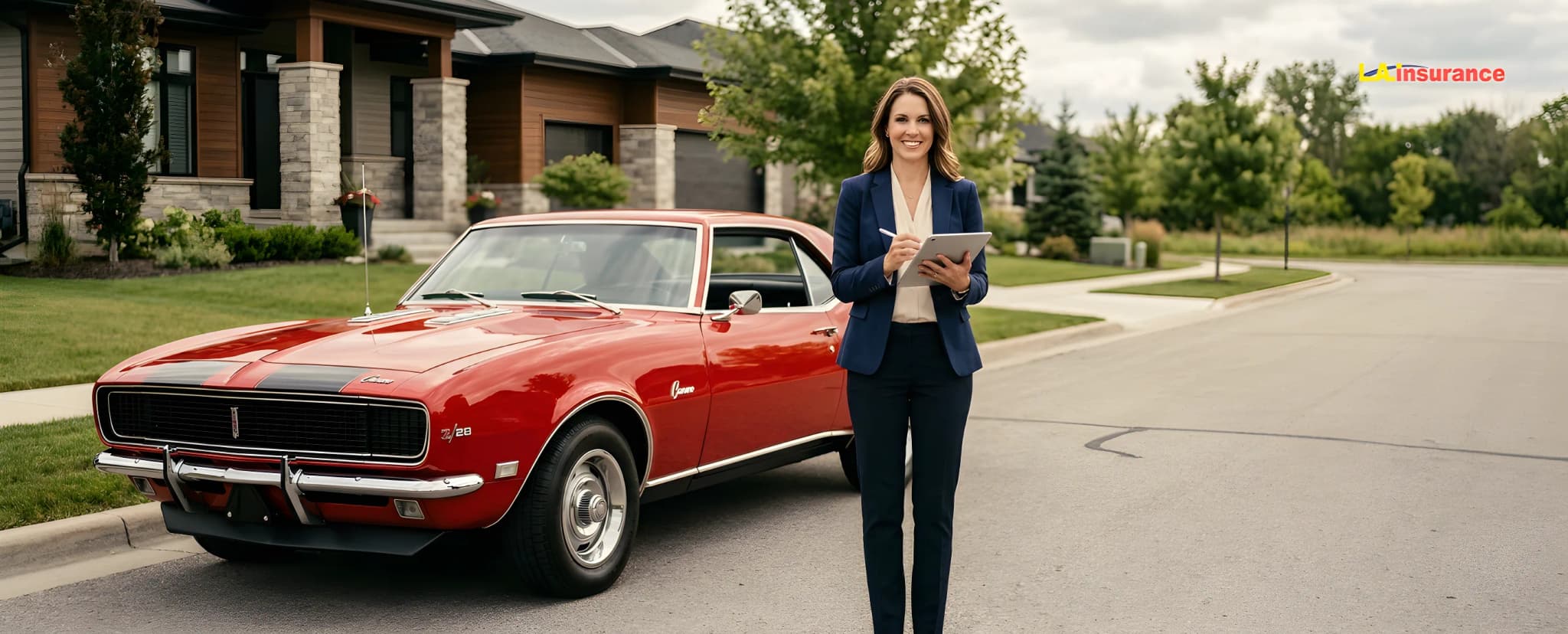
Some cars are more than just transportation. They are investments, memories, and passion projects. So, your standard auto insurance policy may not be enough to protect them.
That’s where classic car insurance comes in. It’s built for vehicles that hold value differently and are driven less often. In this article, you’ll learn how this specialized insurance policy works, what it covers, and whether your vehicle qualifies.
What Is Classic Car Insurance?
Classic car insurance is a specialized auto insurance policy designed for collectible vehicles. Unlike standard car insurance, it protects cars that may increase in value over time. So, your insurance policy is built around how you actually use and store the vehicle.
Most importantly, it uses agreed value instead of depreciation. That means if your car is a total loss, you receive the full agreed amount. As a result, many owners get better protection at a lower cost from an affordable insurance company.
What Is Considered a Classic Car for Insurance?
Not every older car qualifies as a classic car. Age indeed does matter a lot. But insurers also look at condition, rarity, and how the vehicle is used. So, your car must be more than just old. It must be collectible.
According to the Insurance Information Institute, many insurers define a classic or antique car as at least 25 years old. However, the definition varies, and some insurance companies may accept newer collector vehicles, especially rare or exotic models.
To qualify, your car usually must:
- Be stored in a secure, enclosed space
- Not be used for daily commuting
- Be maintained in good or restored condition
- Have limited annual mileage
If your vehicle meets these standards, you likely qualify for classic auto insurance.
How Does Classic Car Insurance Work?
Classic car insurance works like a standard auto insurance policy, but with a few important differences. First, you and the insurance company agree on your car’s value before the policy starts. So, if there’s a covered total loss, you receive that full agreed amount, not a depreciated value.
At the same time, your insurance policy is based on limited use. You may drive your vehicle to shows, club events, or occasional pleasure trips. If your classic car is damaged or if you’re injured during these activities, your property damage liability and bodily injury coverage will reimburse you up to the policy limits. However, daily commuting, business use, or other high-risk driving is excluded from coverage.
In addition, you must meet strict conditions. You need a separate daily driver under a personal auto insurance plan, plus secure garage storage. Because these cars are driven less and maintained well, claims are lower, so your coverage often costs less while protecting your investment.
Classic Car Insurance Requirements
To qualify for classic car insurance, you must meet stricter rules than a standard auto insurance policy. These rules help reduce risk and keep your coverage affordable. Insurers look closely at both you and your vehicle:
- Separate daily driver: You must own another vehicle with personal auto insurance. Your classic car cannot be used for commuting or regular errands.
- Limited mileage: Most insurers require occasional-use driving only, with mileage restrictions in place.
- Secure storage: Your car must be kept in a fully enclosed, locked garage, not in a driveway or carport.
- Clean driving record: Serious violations, such as reckless driving, like DUI, must not appear on your record within the past 3 to 5 years, or you may be disqualified from agreed value status.
- Vehicle age: Most classic or antique cars are at least 25 years old, though some newer collector cars may qualify under certain policies. For instance, some companies start at 10 years for modern classics.
What Does Classic Car Insurance Cover?
Classic car insurance coverage goes beyond a typical auto insurance policy. It protects not just your vehicle, but also its true collector value, parts, and usage. So, you get tailored coverage built for how classic cars are owned, restored, and enjoyed.
Most insurance companies combine agreed value protection with specialized add-ons. As a result, your insurance policy can cover everything from a total loss to rare parts, show travel, and even restoration work.
Agreed Value Coverage
This is the foundation of classic auto insurance. You and the insurance company agree on your car’s value upfront, often using a combination of professional appraisals, recent auction results, and specialized valuation guides. Therefore, if there’s a covered total loss, you receive that full amount with no depreciation and no "Actual Cash Value" surprises.
Unlike "Stated Value" policies, which sound similar but may still pay a lower market value at the time of a claim. Agreed Value is a guaranteed safety net. It also offers the flexibility to update your coverage as the market fluctuates or as you continue to improve your vehicle, ensuring your insurance always reflects your car's true worth.
Specialized Parts & OEM
Classic cars often rely on rare or original components that aren't available at a local dealership. Therefore, your coverage ensures you can source Original Equipment Manufacturer (OEM) parts to maintain the car’s authenticity and resale value. If a specific part is no longer manufactured, many specialized policies go a step further. They will cover the cost of having a master craftsman custom fabricate a replacement from scratch. This level of protection ensures that a broken trim piece or a rare engine component doesn't keep your investment off the road.
Inflation Guard
Values change over time, especially in a fast-moving collector market. With Inflation Guard, your insurance policy automatically adjusts your car’s agreed value throughout the year, typically increasing it by about 2% every quarter. This ensures your coverage keeps pace with market appreciation without you having to pick up the phone. By the time your policy renews, your "safety net" has often grown by up to 6% (it may vary), so you’re never left underinsured if the market for your specific model suddenly spikes.
Restoration Coverage (VUC)
If your classic is a work-in-progress, its value increases every time you bolt on a new part or finish a custom interior. Restoration Coverage (often called Vehicle Under Construction) is designed to grow alongside your project. Unlike a standard policy that only sees a "broken car," this coverage automatically upshifts your agreed value, often by 10% every quarter (up to a $25,000 limit), to protect the sweat equity and expensive components you’ve added.
To maintain this, insurers typically look for "active progress," so keep your restoration receipts and photos handy. As a bonus, this coverage often triggers higher protection limits for the specialized tools and spare parts sitting in your shop, ensuring a mid-project disaster doesn’t set your dream back to square one.
Cherished Salvage Rights
If your car is declared a total loss, you may still keep it. This is called Cherished Salvage. Unlike standard insurance, which typically takes the car to a salvage yard or subtracts its scrap value from your payout, this coverage allows you to receive your full agreed value and keep the vehicle. So, even after a major claim, you don’t lose your prized classic car. Whether you want to restore it again or keep it for its rare, "numbers-matching" parts, you retain full ownership of the car’s remains without a financial penalty.
Show & Travel Expense
Classic cars are meant to be seen, not just stored. This coverage (AKA Trip Interruption coverage) helps pay for lodging, meals, and transport if something goes wrong more than 50 miles from home. Some insurers even reimburse non-refundable event registration fees if a breakdown prevents you from attending. This ensures a roadside hiccup doesn’t turn into a financial setback for your weekend plans.
Transitory / Trailer Coverage
Your antique vehicle may be transported on a trailer to shows, rallies, or repair shops. Trailer/Transport Coverage protects it during loading, unloading, and transit. This specialized protection ensures your classic car is covered against theft, fire, or accidents while being transported. Some insurers also extend coverage to temporary storage locations, such as event parking, but terms vary by policy.
Flatbed Roadside Assistance
Standard towing can easily damage low-clearance or fragile vintage frames. That’s why many specialized policies guarantee flatbed towing with soft-strap tie-downs. In addition, it covers breakdowns, battery jumps, and emergency fuel delivery. So, if you’re ever stranded, your car is handled by professionals who understand how to move a collector vehicle without causing "hidden" suspension or body damage. Learn more about roadside assistance.
Liability & Medical
With classic car insurance, you still get liability insurance to protect your financial assets. This covers property damage or bodily injury you may cause to others while behind the wheel. Therefore, you stay compliant with state laws while enjoying your vintage ride on the open road.
Moreover, some policies include medical payments for you or your passengers. This is especially vital since older vehicles often lack modern safety features like crumple zones or side-curtain airbags. Consequently, this extra layer of car insurance coverage helps handle hospital bills regardless of who is at fault in an accident.
Garage Liability
If others visit your garage or workspace to admire your collection, they might be exposed to unique risks, such as slip and fall accidents or tool hazards. Garage liability helps cover property damage or bodily injury occurring on your premises, even when your vehicle is parked. This coverage could be useful, particularly if you host car club meetings or garage tours, since standard homeowners insurance often excludes hobby-related or high-value automotive activities. Some insurers also extend protection if a guest damages your collectible vehicle.
Automobilia & Tools
Your passion for cars often extends to the vintage signs, gas pumps, and specialized equipment filling your workspace. Automobilia coverage protects these high-value collectibles from theft, fire, or accidental damage while they are displayed in your garage. Consequently, your personal property remains secure even if it isn’t physically bolted to your vehicle.
Plus, this policy tier often includes a dedicated sub-limit for the expensive automotive tools you use for maintenance and restoration. Since standard homeowners insurance frequently caps coverage for "business-use" or high-end shop tools, this specialized coverage ensures all the tools and parts related to your antique car are fully protected.
Emergency Evacuation Coverage
In certain situations, your prized collector vehicle may need to be moved quickly to escape an approaching natural disaster. This emergency evacuation coverage helps reimburse you for the professional transport of your collection to a safe zone during wildfires, floods, or hurricanes. Therefore, your car insurance coverage provides a proactive safety net before the damage even occurs.
Many 2026 classic auto insurance policies cover up to 50% of the relocation costs, including specialized flatbed transport and temporary storage fees. Standard personal auto insurance plans, on the other hand, usually only pay out after a loss, which leaves you to handle the logistics of a "forced move" alone. Consequently, this specialized feature ensures you can act fast to protect your investment without worrying about the high cost of last-minute towing.
What Isn’t Covered Under Classic Car Insurance?
While classic car insurance offers strong protection, it also comes with clear limits. These insurance policies are designed for low-risk, occasional use. So, anything outside those rules is usually not covered.
For example, you cannot use your vehicle for daily commuting, errands, or business use. Driving for rideshare, deliveries, or regular work will void your coverage. In addition, exceeding the mileage limit, which is typically up to 7,500 miles per year, may also lead to denied claims.
High-risk behavior is excluded as well. That includes racing, reckless driving, or illegal activity. If an accident happens under those conditions, your insurance company may deny the claim.
Storage violations can also cause issues. If your car is not kept in a secure garage, your insurance coverage may not apply. Therefore, always follow your insurance policy terms closely to stay protected.
Does My Auto Insurance Cover Classic Car?
Sometimes yes. However, it depends on how you use the vehicle and how it is listed on your auto insurance policy. A standard car insurance policy may cover an older car, but it usually does not protect it as a collectible.
For example, a regular personal auto insurance policy pays based on depreciation. That means your insurance company uses actual cash value, not agreed value. So, if a classic car is stolen or totaled in an accident, you may receive far less than it is worth.
That is why most collectors switch to classic car insurance coverage. However, you must meet a few strict rules first:
- You must own a separate daily-driven vehicle.
- Your classic car must stay in a locked garage.
- Your driving record must stay clean.
- The insurance policy usually requires limited mileage.
If your car is still being restored, some insurers even offer coverage for a vehicle under construction. So, before you rely on standard insurance coverage, it is always smart to compare both options carefully.
What’s the Difference Between Classic Car Insurance and Regular Auto Insurance?
At first glance, both policies look similar. However, classic car insurance is built for collectors, while a standard auto insurance policy is designed for everyday driving. So, the way your vehicle is valued, used, and insured is very different.
The biggest difference is value. Classic policies use agreed value, while regular car insurance uses depreciation. In addition, usage rules, mileage limits, and storage requirements are much stricter with classic auto insurance.
Here’s a simple breakdown:
Feature | Classic Car Insurance | Regular Auto Insurance |
Vehicle Value | Agreed value set upfront | Based on depreciation (ACV) |
Usage | Limited, occasional driving | Daily commuting allowed |
Mileage | Restricted annually | Typically unlimited |
Storage | Must be enclosed, secure | No strict requirement |
Eligibility | Collector, rare, or classic vehicle | Any standard vehicle |
Premiums | Usually lower | Typically higher |
Claims Payout | Full agreed amount after total loss | Market value at time of accident |
So, if your car is collectible or appreciating, a specialized insurance policy gives you better protection.
Difference Between Agreed Value and Stated Value in Classic Car Insurance
When choosing your classic car insurance policy, this is one of the most important decisions you will make. Both options sound similar, but they work very differently at claim time. Therefore, you should understand this difference to protect the true collector value of your vintage vehicle.
Simply put, with Agreed Value, you and the insurance company lock in a fixed amount upfront. If there’s a total loss, you receive that exact check with no depreciation and no haggling. Consequently, this is the gold standard for anyone who has invested time and money into a serious restoration.
On the other hand, Stated Value is much less predictable for the owner. You tell the insurer what the car is worth, but the policy often says they will pay "the stated amount or the actual cash value, whichever is less." As a result, your payout can still be slashed by depreciation based on the market at the time of the accident.
Here’s a quick comparison:
Feature | Agreed Value | Stated Value |
Value Set | Fixed upfront | Estimated, not guaranteed |
Payout After Loss | Full agreed amount | Lower of stated or actual value |
Depreciation | Not applied | May still apply |
Best For | Collector and high-value cars | Modified or uncertain-value cars |
So, if you want certainty, agreed value coverage is usually the better choice.
How Much Exactly Does It Cost to Insure a Classic Vehicle?
On average, classic car insurance costs between $200 and $600 per year. However, your actual price depends on your vehicle, usage, and selected coverage. In many cases, this is cheaper than a standard auto insurance policy.
That lower cost comes from reduced risk. Since your classic car is driven less and stored securely, insurance companies see fewer claims. As a result, you often pay less while getting more specialized insurance coverage.
Still, your premium can vary based on several key factors:
- Vehicle value: Higher agreed value means higher premium
- Storage location: A locked garage lowers risk and cost
- Mileage and usage: Limited driving keeps rates lower
- Driving record: Clean history helps reduce your insurance cost
- Deductible: Higher deductible usually lowers your premium
- Location (state): Rates vary by risk, weather, and theft levels
- Restoration status: Ongoing projects may increase insured value
So, while rates are generally affordable, your final car insurance policy price is always personalized.
How to Safely Store Your Classic Car for Maintaining Insurance
Storage is not optional. It is a core rule of classic automobile insurance. In fact, most insurance company guidelines require a fully enclosed, locked garage to keep your insurance coverage valid. If you skip this step, your insurance policy can be limited or even denied.
So, how you store your vehicle directly affects both protection and pricing. Here is what insurers expect from serious collectors:
- Use an enclosed garage: Always store your car in a locked, secure building. Driveways and carports usually void coverage.
- Control the environment: Keep humidity low and temperature stable to prevent rust and damage.
- Install security systems: Alarms or cameras reduce theft risk or vandalism which may lower your insurance cost.
- Disconnect the battery: This helps prevent electrical issues during long storage periods.
- Use a breathable car cover: It protects paint without trapping moisture.
Additionally, proper storage shows responsible ownership. As a result, insurers reward you with better insurance cover and lower premiums.
Classic Car Insurance Coverage FAQs
Is it mandatory to carry auto insurance on classic cars?
Yes, in most states, you still need a minimum auto insurance to legally drive your vehicle. However, if your car is stored and not driven, you may switch to a limited or “laid-up” insurance policy for protection against theft or damage.
Can I choose my own repair shop with classic car insurance?
Yes, most classic car insurance policies let you choose your own repair shop. In fact, insurers often prefer specialists who understand vintage vehicle restoration and OEM parts.
Can joining a classic car club help lower my insurance premiums?
Yes, many insurers offer discounts for club members. Additionally, clubs show responsible ownership, which lowers risk and may improve your insurance coverage options.
Is there a deductible for classic car insurance?
Yes, most insurance policies include a deductible. However, some premium plans offer low or even zero-deductible options depending on your coverage and usage.
Is there a mileage limit with classic car insurance?
Yes, most policies limit driving to about 2,500–7,500 miles annually. This keeps risk low and helps reduce your insurance cost.
Does classic car insurance cover depreciation?
No, and that’s a big advantage. With agreed value coverage, your insurance company pays the full insured value, not a depreciated amount.
Is it cheaper to insure a classic or vintage car?
Yes, in most cases. Because the vehicle is driven less and stored safely, classic car insurance is often significantly cheaper than standard car insurance.
What is the cheapest classic car insurance?
There’s no single cheapest option. Rates vary by insurance company, your vehicle, and usage. However, providers like Hagerty, Grundy, and American Collectors are often known for competitive pricing.
Editorial Disclaimer
The information provided on this blog is for general informational purposes only and does not constitute professional insurance, legal, or financial advice. Coverage and rates are subject to individual eligibility, underwriting guidelines, and state availability. For specific questions regarding your policy or to get an accurate quote, please contact a licensed L.A. Insurance agent directly. We're an independent agency and not a direct insurance carrier. For more information on how we operate and handle your data, please see our Terms and Conditions and Privacy Policy.
Tag :
Auto insurance
fast car insurance
cheap car insurance
car maintenance

What is Term Life Insurance?
Term life insurance is a type of life insurance policy that provides coverage for a specific period, generally 10, 15, 20, 30, or even 40 years.

Types of Life Insurance and How They Differ?
If you’re shopping for life insurance, you’ve probably come across different types of life insurance, such as term life insurance, whole life insurance, and universal life insurance.

What Is Life Insurance?
If you’re thinking about getting a life insurance policy, it’s important to understand what it is and how it works. Simply put, life insurance is a type of financial protection that provides money to your chosen beneficiaries after your death.

Does Car Insurance Cover Rust Damage?
Rust can damage many parts of your car and may become more severe over time if left untreated.
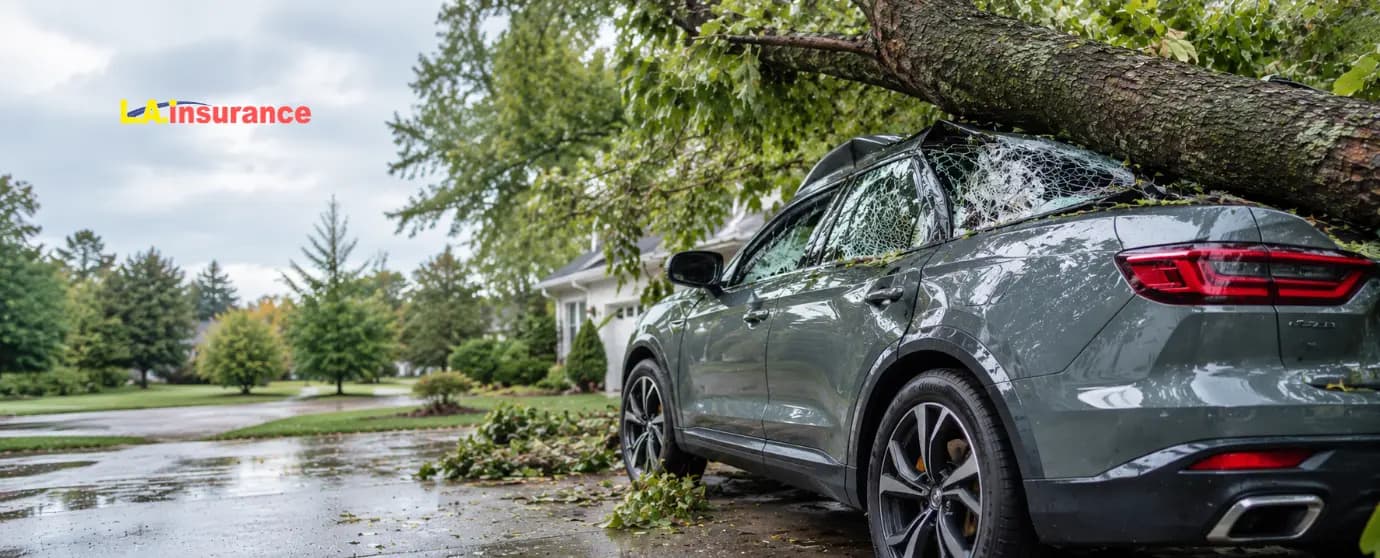
Does Insurance Cover a Tree Falling on Your Car?
Whether your car is parked out in the open under or near a tree, or you’re driving when a tree suddenly falls on your car, either way, it can leave your car severely damaged or even wrecked.
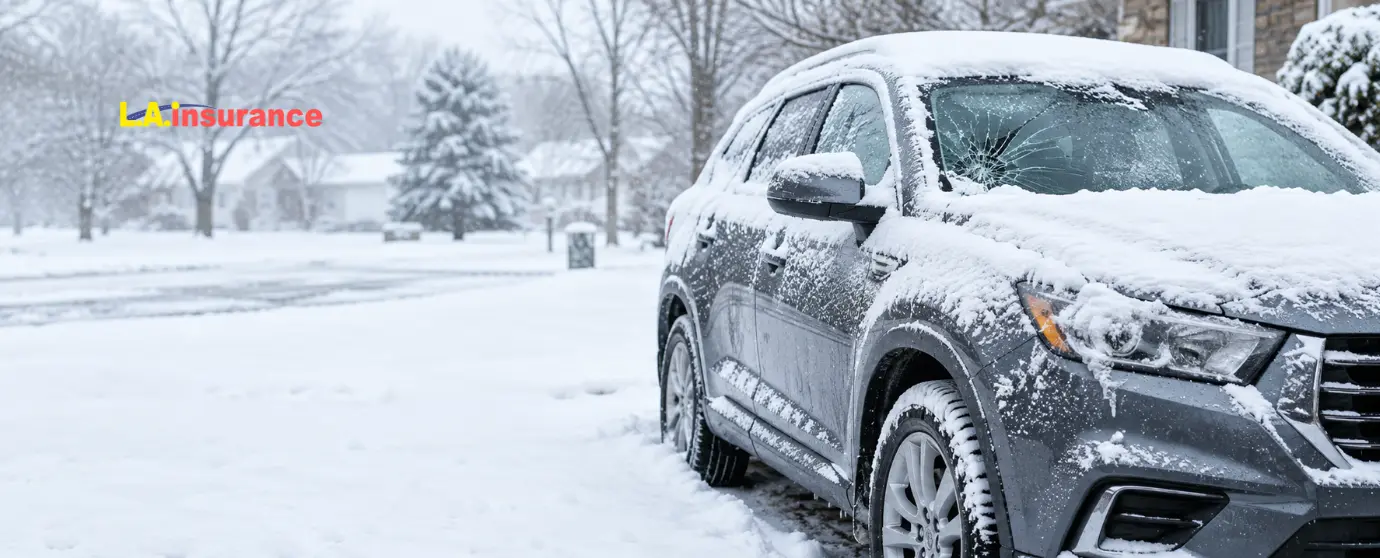
Does Car Insurance Cover Snow Damage?
Your car is more susceptible to damage in winter when it snows. As long as it’s out in the open, it can get damaged by snow at any moment.